
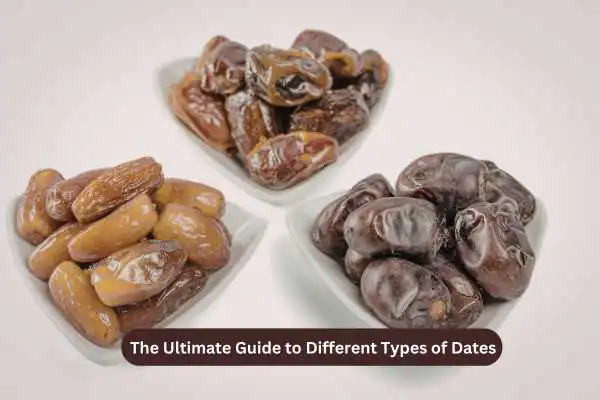
When it comes to natural superfoods, few things rival the ancient power of different types of dates. Often referred to as “bread of the desert,” these organic gems are more than just a sweet treat; they are a nutritional powerhouse packed with fiber, potassium, and essential antioxidants. Whether you are looking for the caramel-like softness of a Medjool or the firm, honey-flavored bite of a Deglet Noor, understanding the nuances of each variety is key to elevating your culinary experience.
At Sahara Food EU, we specialize in sourcing the finest varieties directly from the palm groves. If you are a retailer or food manufacturer looking to stock premium quality, you can easily source wholesale organic dates to ensure your customers receive the freshest, pesticide-free harvest available. Choosing organic is not just about taste it’s about preserving the natural mineral content that makes dates a staple in healthy diets worldwide.
Why Variety Matters: More Than Just “Khajoor”
While all dates belong to the Phoenix dactylifera species, their profiles vary wildly based on the soil, climate, and moisture levels at harvest. Some are meant to be eaten fresh (Khalal), while others reach their peak when fully dried (Tamr).
1. Medjool: The King of Dates
Often called the “King of Dates,” the Medjool variety is perhaps the most famous worldwide.
-
Texture: Large, moist, and incredibly soft.
-
Flavor: Intense caramel notes with a lingering sweetness.
-
Best For: Eating raw as a snack or stuffing with nuts and goat cheese. Because of their high moisture content, Medjools are best kept refrigerated to maintain their “jammy” consistency.
2. Ajwa: The Dark Jewel of Medina
The Ajwa date holds a special place in Middle Eastern culture and history. It is smaller and darker, almost black, compared to other varieties.
-
Texture: Prune-like, slightly dry but smooth.
-
Flavor: A sophisticated, less-sweet flavor with hints of cinnamon and licorice.
-
Best For: Post-fasting recovery and medicinal use due to its high antioxidant levels.
3. Deglet Noor: The Queen of Dates
Originating from Algeria and Tunisia, the Deglet Noor (meaning “Date of Light”) is the most widely grown commercial variety.
-
Texture: Semi-dry with a slight “snap” when bitten.
-
Flavor: Delicate and nutty, reminiscent of browned butter.
-
Best For: Baking. Because they hold their shape well, they are the gold standard for breads, muffins, and cookies.
4. Sukari: The Golden Sweetness
If you have a serious sweet tooth, Sukari (derived from the Arabic word for sugar) is the variety for you.
-
Texture: Crisp when fresh, meltingly soft when ripe.
-
Flavor: Pure, unadulterated honey sweetness.
-
Best For: Replacing refined sugar in smoothies or being served alongside a bitter cup of Arabic coffee.
5. Mabroom: The Fibrous Powerhouse
Mabroom dates are slender and long. They are often preferred by those who enjoy a more “chewy” candy-like experience.
-
Texture: Firm and fibrous.
-
Flavor: Pleasantly sweet but not overwhelming.
-
Best For: High-energy hiking snacks, as they don’t get squashed easily in a bag.
The Nutritional Profile: Why You Should Eat Them Daily
From a Semantic SEO perspective, it’s important to look at the “Entity” of the date. It isn’t just sugar; it is a complex carbohydrate.
| Nutrient | Benefit |
| Fiber | Prevents blood sugar spikes and aids digestion. |
| Potassium | Essential for heart health and muscle contraction. |
| Magnesium | Known for its anti-inflammatory properties. |
| Phenolic Acid | Potent antioxidants that protect cells from oxidative stress. |
How to Choose the Right Date for Your Needs
When browsing through the selection at Sahara Food EU, consider the end-use of the fruit:
-
For Smoothies: Use Deglet Noor or Zahidi. Their firmer texture blends into a smooth paste without leaving large chunks.
-
For Salads: Use sliced Medjool dates to contrast with salty feta cheese and bitter arugula.
-
For Natural Syrup: Opt for the softer, riper varieties like Sukari or Mazafati which break down easily when boiled.
The Importance of Organic Certification
In the world of dried fruits, “organic” isn’t just a buzzword. Dates are often grown in arid regions where pests can be an issue. Conventional farming may use harsh chemical fumigants to preserve the fruit for export.
By choosing organic khajoor, you are guaranteed a product that has been sun-ripened without synthetic pesticides. This preserves the delicate skin of the date and ensures that the natural enzymes remain intact, providing you with the maximum health benefits.
Storage Tips for Longevity
To keep your dates at peak quality:
-
Room Temp: Good for about a month in an airtight container.
-
Refrigeration: Extends life to 6–12 months. This is ideal for soft varieties like Medjool.
-
Freezing: Dates have very low water content, so they don’t freeze solid. They can last up to 2 years in the freezer while remaining edible almost immediately.
Conclusion
Whether you are a culinary enthusiast or a health-conscious snacker, the world of dates offers a flavor profile for everyone. From the regal Medjool to the humble yet versatile Deglet Noor, these fruits are a testament to nature’s ability to provide nutrition and sweetness in one package.
Are you ready to elevate your pantry or your retail shelves? Explore the full range at Sahara Food EU and experience the difference that truly organic, ethically sourced dates can make.