
Understanding why choose organic dates over regular dates is the first step toward transforming your diet from one of simple convenience to one of conscious, high-performance nutrition. While both varieties offer a natural hit of sweetness, the fundamental differences in how they are grown, processed, and preserved create two entirely different products for your body and the environment.
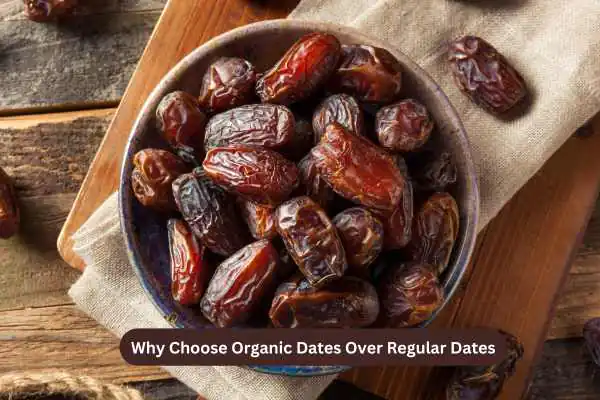
At Sahara UK Foods, we believe that nature shouldn’t be tampered with, which is why we encourage our partners to Buy wholesale organic Dried Fruits & Dates to ensure every bite is as pure as the desert sun intended. Below, we break down the critical distinctions between organic and conventional dates, covering everything from chemical residues to the hidden “syrup” industry.
1. The Chemical Difference: Pesticides and Synthetic Fertilizers
The most immediate reason to choose organic dates is the absence of synthetic chemical intervention. In conventional date farming, large-scale plantations often utilize synthetic pesticides and herbicides to maximize yield and protect the fruit from desert pests. Because dates have a sticky, porous exterior, these chemicals can sometimes be absorbed or remain as residue on the skin.
Organic certification requires that the fruit be grown without these toxic inputs. Instead, organic farmers use natural compost, predatory insects for pest control, and physical barriers. When you eat an organic date, you are consuming 100% fruit—no lingering glyphosate or synthetic nerve agents.
2. No Sulfur Dioxide or Preservatives
Have you ever noticed that some “regular” dates have a strangely uniform color or a slightly chemical aftertaste? This is often due to the use of Sulfur Dioxide ($SO_2$). This preservative is frequently used in conventional dried fruit production to prevent browning and extend shelf life indefinitely.
While $SO_2$ is effective, it is a known allergen for many people and can trigger respiratory issues or headaches. Organic dates are preserved through traditional sun-drying and careful moisture control. They may vary slightly in color—from deep amber to dark mahogany—but that variation is a hallmark of a natural, untreated product.
3. The “Added Sugar” Myth in Conventional Dates
It sounds counterintuitive—why add sugar to something that is already 60% sugar? However, many lower-grade conventional dates are “rehydrated” or glazed with high-fructose corn syrup or glucose syrup. This is done to make the dates appear plumper, shinier, and heavier on the scale.
Organic dates rely entirely on their own natural fructose and glucose. The “jammy” texture of an organic Medjool or the honey-like snap of a Sukkari comes from the fruit’s own maturation process on the palm, not a factory-added glaze.
4. Mineral Density and Soil Health
Nutritionally, an organic date is often superior due to the soil it was grown in. Organic farming focuses on soil mineralization. By using natural fertilizers, the soil remains rich in magnesium, potassium, and copper.
Research suggests that plants grown in nutrient-dense organic soil often produce higher concentrations of polyphenols and antioxidants. These are the compounds that help your body fight inflammation and oxidative stress. When you choose organic, you aren’t just avoiding the “bad” stuff; you are maximizing the “good” stuff.
5. Environmental Impact: Protecting the Oasis
Date palms are the lifeblood of desert ecosystems. Conventional farming, with its heavy reliance on chemical runoff, can poison local groundwater and degrade the fragile soil of the oasis.
Organic farming practices protect these ecosystems. By choosing organic, you support farmers who are:
-
Sequestering carbon back into the soil.
-
Protecting local water tables from nitrate contamination.
-
Promoting biodiversity, allowing birds and beneficial insects to thrive within the groves.
Choosing the Right Variety
Not all dates are created equal. Depending on your culinary needs, you might choose a different organic variety:
| Variety | Texture | Flavor Profile | Best For |
| Medjool | Soft, moist, large | Rich caramel, maple | Fresh snacking, stuffing with nuts |
| Deglet Noor | Semi-dry, firm | Nutty, “brown butter” | Chopping into salads or baking |
| Ajwa | Dry, soft, meaty | Dark chocolate, raisin | Tradition, health-focused snacking |
| Sukkari | Crystallized, crisp | Intense honey sweetness | Pairing with Arabic coffee |
Conclusion
The choice between organic and regular dates isn’t just about labels; it’s about the integrity of your food. Organic dates offer a cleaner flavor, a superior nutritional profile, and a clear conscience regarding the environment. At Sahara Food EU, we specialize in sourcing these desert gems directly from growers who respect the land.
By moving away from chemically treated fruits, you are investing in long-term health and supporting a sustainable food chain that will continue to produce these incredible “super-fruits” for generations to come.