
Learning how to choose the best organic pitted dates is essential for anyone looking to balance premium culinary quality with maximum nutritional value. With so many varieties and brands available in the European market, identifying the hallmarks of a truly high-quality date ensures you get the natural sweetness and health benefits you expect without any hidden additives.
At Sahara Food EU, we understand that quality begins at the source. When you Buy wholesale organic pitted dates, you are choosing fruit that has been handled with care from the palm grove to your pantry, ensuring that the moisture, texture, and flavor remain intact.
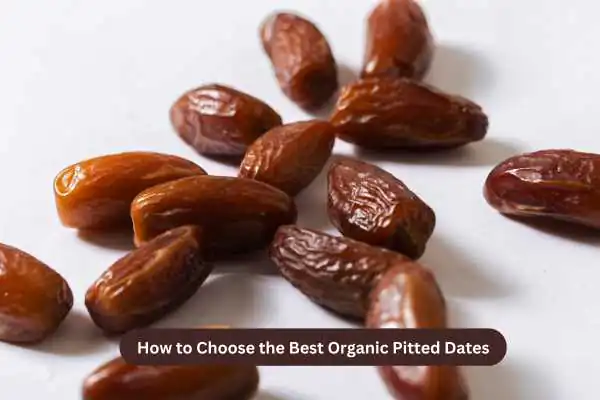
The Visual Inspection: What Does a Good Date Look Like?
The first step in choosing the best organic pitted dates is a simple visual check. Even though the pit has been removed, the fruit should still retain its structural integrity.
-
Skin Texture: Look for dates with skin that is slightly wrinkled but still has a subtle shimmer. Avoid dates that look excessively “dusty” or have skin that is completely pulling away from the flesh, as this often indicates the fruit is old or has been stored in a very dry environment.
-
Color Consistency: Depending on the variety (such as Medjool or Deglet Noor), the color should be rich and uniform. Deep ambers, dark browns, and mahogany tones are signs of proper ripening.
-
Sugar Crystallization: Occasionally, you might see white spots on the skin. While often mistaken for mold, these are usually just natural fruit sugars that have crystallized on the surface. However, for the “best” choice, look for dates with minimal crystallization, as these will be softer and more “jammy” in texture.
The Importance of Moisture Content
A common mistake is choosing dates that are too dry. While dried fruit is meant to be shelf-stable, a premium organic pitted date should still feel plump and slightly heavy for its size.
Dates are categorized as soft, semi-dry, or dry. Organic pitted dates are typically preferred in the soft or semi-dry categories because they are easier to blend into recipes and more pleasant to eat as a snack. When you press the date between your fingers, it should give slightly. If it feels as hard as a pebble, it has lost its moisture and will likely have a fibrous, woody taste.
Why “Pitted” Matters for Quality Control
Choosing pitted dates isn’t just about convenience; it’s about the inspection process. When a date is pitted, the interior of the fruit is exposed before packaging. This allows for a secondary quality check to ensure there are no internal defects or “black dust” (a natural desert mold that can occasionally affect dates on the palm).
The best organic pitted dates are those that have been “clean-cut.” Look for a neat slit where the pit was removed. This indicates that the fruit was firm enough to handle the mechanical or manual pitting process without being crushed into a paste.
The Organic Certification: More Than a Label
In the EU, the “Organic” seal is a rigorous standard. When choosing the best dates, this certification is your guarantee that the fruit has not been treated with sulfur dioxide.
Conventional dried fruits are often treated with sulfites to act as a preservative and to keep the fruit looking unnaturally bright. Organic dates, however, rely on their natural sugar content and proper moisture control for preservation. This results in a cleaner taste—no chemical aftertaste—and a product that is much safer for individuals with sulfite sensitivities.
Choosing by Variety
To pick the best date, you must match the variety to your intended use. Not all dates are created equal:
-
Medjool: Known as the “King of Dates.” These are large, moist, and have a heavy caramel flavor. They are the best choice for eating plain or stuffing with nuts and cheese.
-
Deglet Noor: The “Queen of Dates.” These are semi-dry and have a slightly nutty finish. They are the best choice for baking because they hold their shape well when chopped into bread or cake batters.
-
Sukari: Extremely sweet and often “crispy” at the edges. These are a favorite for those who use dates as a natural candy replacement.
Aroma and Taste Profile
If you have the opportunity to smell the dates, a fresh batch should have a deep, honey-like aroma. It should never smell sour or fermented. A fermented smell indicates that the moisture content was too high and the natural sugars have begun to turn, usually due to poor storage conditions.
When it comes to taste, the best organic pitted dates should melt in your mouth. The sweetness should be complex—think notes of butterscotch, honey, and cinnamon—rather than the one-dimensional sweetness of refined white sugar.
Packaging and Storage Cues
The way dates are packaged tells a story about their quality. The best organic pitted dates are usually packed in airtight containers or vacuum-sealed bags to prevent further dehydration.
At Sahara Food EU, we ensure our packaging protects the delicate nature of the fruit. Once you get them home, the best way to maintain that “premium” quality is to store them in a cool, dry place. If you aren’t planning on eating them within a few weeks, keeping them in the refrigerator can preserve that perfect moisture level for months.
Conclusion
Choosing the best organic pitted dates comes down to a balance of sight, touch, and trust in your supplier. By looking for plump fruit, consistent coloring, and verified organic certification, you ensure that you are bringing a high-vibe, nutrient-dense superfood into your home. Whether you are using them to sweeten a morning smoothie or serving them as an elegant appetizer, the quality of the date will always be the defining factor of your dish.