
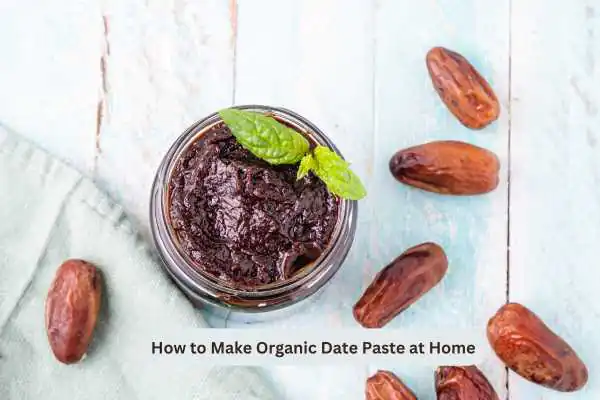
Learning how to make organic date paste at home is the ultimate “kitchen hack” for anyone looking to eliminate refined sugar without sacrificing the indulgence of a sweet treat. This simple, one-ingredient wonder transforms the dense, caramel-like richness of dried dates into a smooth, versatile cream that can be used in everything from morning coffee to complex sourdough bakes.
While making a small batch for personal use is easy, commercial bakers and health-food entrepreneurs often find it more efficient to buy wholesale organic date paste to ensure consistency and scale. However, for the home cook, mastering this DIY method is a rite of passage into the world of whole-food, plant-based nutrition.
The Philosophy of the Date Paste
Sugar is a one-dimensional ingredient; it provides sweetness and little else. Date paste, on the other hand, is multi-dimensional. When you use organic dates, you aren’t just adding sweetness—you are adding fiber, potassium, magnesium, and a complex flavor profile that hints at butterscotch and toasted honey. Because the fruit is used in its entirety (minus the pit), the fiber remains intact, which helps your body process the natural sugars more slowly, avoiding the dreaded energy crash associated with white sugar.
Choosing the Right Fruit
Not all dates are created equal. For a paste that is velvety and easy to blend, the variety of date you choose is critical.
-
Medjool Dates: Often called the “King of Dates,” these are the gold standard for home paste. They are naturally soft, large, and possess a deep, maple-syrup flavor.
-
Deglet Noor: These are firmer and slightly less sweet. They work well but require a longer soaking time to reach a blendable consistency.
-
Sukari or Sayayer: These are excellent middle-ground options often found in European markets, offering a balanced sweetness and a soft texture.
Regardless of the variety, ensure they are organic. Since you are blending the whole fruit, you want to ensure there are no pesticide residues concentrated in the skin.
How to Make Organic Date Paste: The Master Method
The beauty of this process lies in its simplicity. You only need two things: organic dates and hot water.
Conversion Ratios: Substituting Sugar for Date Paste
The question most bakers ask is: “How much do I use?”
Because date paste contains water and fiber, it isn’t a dry weight replacement for sugar. A general rule of thumb for most recipes (cookies, muffins, brownies) is a 1:1 ratio by volume. If a recipe calls for one cup of sugar, use one cup of date paste.
Pro-Tip: Since date paste adds moisture, you may need to slightly reduce the other liquids in your recipe (like milk or oil) by about 10–15% to maintain the correct structural integrity of your bake.
Storage and Longevity
Since this is a fresh fruit product with added water, it doesn’t have the infinite shelf life of white sugar.
-
Refrigerator: Store in an airtight glass jar for up to 2 weeks.
-
Freezer: Date paste freezes beautifully. Pro-tip: Freeze it in silicone ice cube trays. Once frozen, pop the “date cubes” into a freezer bag. Each cube is usually about 1–2 tablespoons, making it easy to grab exactly what you need for a morning smoothie.
Innovative Uses Beyond Baking
While baking is the primary use, organic date paste is a secret weapon in savory cooking as well:
-
Homemade BBQ Sauce: Replace molasses or brown sugar with date paste for a rich, smoky sweetness.
-
Salad Dressings: Whisk a teaspoon into a balsamic vinaigrette to emulsify the oil and balance the acidity of the vinegar.
-
The “Healthy” Latte: Stir a tablespoon into hot oat milk with a dash of cinnamon for a caffeine-free “Date Latte.”
Conclusion
Making your own organic date paste is a small change that yields massive results for your health and your palate. It honors the ingredient in its whole form and brings a professional-grade depth of flavor to your home kitchen. Whether you are prepping for a week of healthy snacks or diving into a major baking project, this paste is the foundation of a better, more conscious way to eat.