
Knowing how long organic dried figs last is essential for maintaining a high-quality kitchen, especially when dealing with premium, unpreserved pantry staples. Because organic varieties are free from chemical preservatives like sulfur dioxide, their lifespan depends heavily on how they are stored and handled from the moment they arrive.
For businesses and home bakers looking to keep a steady supply of these nutrient-dense treats, sourcing them through a reliable channel is key. When you stock your pantry with premium products from a supplier of wholesale oganic dried fruits, understanding proper shelf life management ensures that your ingredients retain their natural flavor, soft texture, and nutritional value for months to come.
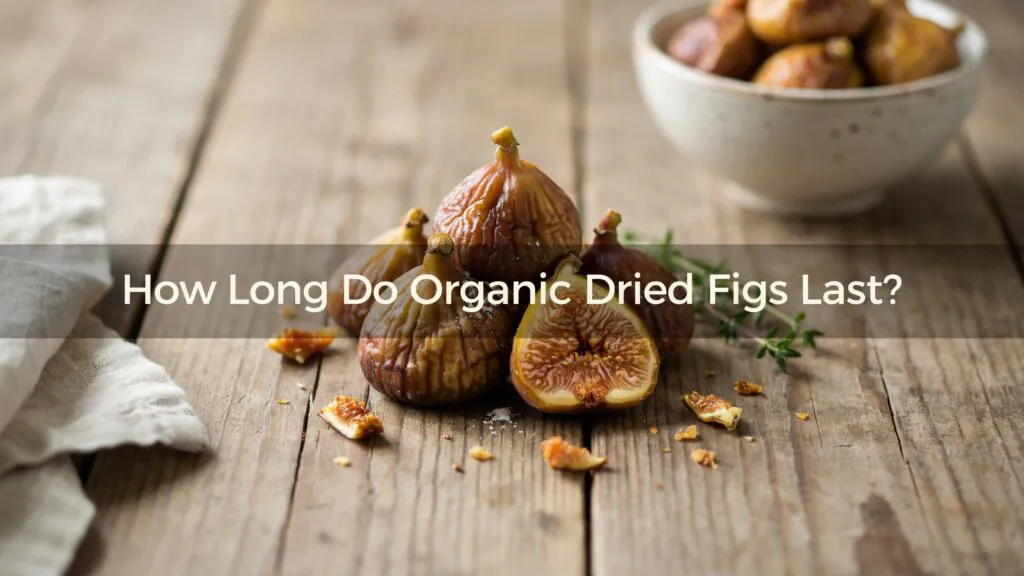
The Average Lifespan of Organic Dried Figs
Unlike conventional dried fruits that rely on synthetic additives to artificially extend their shelf life, organic dried figs depend purely on their natural sugar content and reduced moisture levels to stay fresh. Here is a general breakdown of how long you can expect your organic dried figs to remain at peak quality based on where they are stored:
| Storage Location | Estimated Shelf Life | Best For |
| Pantry / Cool Dark Cupboard | 6 to 12 Months | Daily snacking and frequent baking needs |
| Refrigerator | 12 to 18 Months | Hot climates, humid environments, or bulk storage |
| Freezer | Up to 18+ Months | Long-term preservation without texturing loss |
While these timelines offer an excellent baseline, the actual clock starts from the date of packaging, not the date of purchase. Let’s dive deeper into how each storage environment affects the quality of your figs.
Room Temperature Storage: The Pantry Method
For everyday use, keeping your organic dried figs in the pantry is the most convenient option. When stored properly at room temperature, they will easily maintain their optimal flavor profile for 6 to 12 months.
To maximize this window, you must combat the three main enemies of dried fruit: air, moisture, and heat.
-
Air Tightness: As soon as you open the original packaging, transfer the figs into a clean glass jar with a tight-sealing lid or a heavy-duty silicone bag. Leaving them exposed to the air will cause them to dry out further, turning a soft, jammy fig into a hard, unyielding bite.
-
Temperature Control: Keep the container in a dark, cool place away from the stove, oven, or direct sunlight. Fluctuating temperatures can cause condensation to build up inside the container, creating an environment where spoilage can occur.
Refrigeration: Extending the Shelf Life
If you live in a warm or humid climate, or if you bought a larger quantity than you can use within a few months, the refrigerator is your best friend. Storing organic dried figs in the fridge extends their shelf life to a solid 12 to 18 months.
The cool, stable environment slows down the natural breakdown of the fruit. However, the cold can make the natural sugars crystalize faster (a process explained below) and can slightly firm up the texture. If you prefer your figs soft and pliable, simply pull out the portion you need and let them sit at room temperature for about 15 minutes before eating or chopping.
Freezing for Long-Term Preservation
Can you freeze organic dried figs? Absolutely. Freezing is an excellent option for commercial bakeries or households that buy in bulk to save money. When kept in deep freeze conditions, dried figs can last well beyond 18 months without losing their nutritional integrity.
To freeze them successfully:
-
Divide the figs into smaller, recipe-sized portions.
-
Place them in freezer-safe bags, pressing out as much air as possible before sealing.
-
Label the bags with the date.
When you are ready to use them, thaw the figs in the refrigerator overnight.
The Sugaring Phenomenon: Spoiled vs. Crystallized
One of the most common reasons people prematurely throw away perfectly good organic dried figs is a misunderstanding of a natural process called sugaring.
Over time, the natural fructose and glucose inside the fig migrate to the surface, creating a white, powdery, or crystalline coating on the skin. It looks incredibly similar to mold at first glance, but it is completely harmless. In fact, it is a sign of a high-quality, high-sugar fruit that hasn’t been chemically treated to prevent crystallization.
-
How to test it: If you aren’t sure if it’s sugar or mold, rub a bit of the white powder between your fingers or drop the fig into warm water. If it dissolves instantly, it is sugar.
-
How to fix it: If you don’t like the texture of sugared figs, simply gentle steam them or warm them in an oven for a few minutes to re-absorb the sugar back into the flesh.
Signs That Organic Dried Figs Have Gone Bad
Because organic figs do not contain sulfur or chemical preservatives, they can spoil if exposed to moisture or extreme heat. Here are the clear signs that your figs are past their prime and should be discarded:
-
A Sour or Fermented Odor: Dried figs should smell sweet, earthy, and slightly woodsy. If you open the container and catch a whiff of alcohol, vinegar, or a sharp sour scent, yeast has begun to ferment the sugars.
-
Visible Mold: Unlike dry sugar crystals, mold will look fuzzy, grey, green, or blue-black, and it will not dissolve under warm water.
-
Excessive Hardness: If the figs have lost all residual moisture and become rock-hard, they aren’t necessarily spoiled, but they are no longer pleasant to eat raw. You can still salvage these by soaking them in boiling water for 10 minutes to rehydrate them for baking.
Conclusion
Organic dried figs are an exceptional, resilient pantry staple that can easily last from six months to well over a year depending on how well you protect them from the elements. By using airtight containers, keeping them cool, and recognizing the difference between harmless sugar crystals and actual spoilage, you can minimize food waste and enjoy the full culinary potential of your fruit.