
Baking with organic dried apricots is one of the easiest ways to infuse your favorite recipes with a burst of natural tartness, vibrant color, and rich texture. Unlike conventional dried fruits that often lean on artificial preservatives, organic apricots bring a pure, unadulterated flavor that completely transforms cakes, breads, and pastries into premium culinary creations.
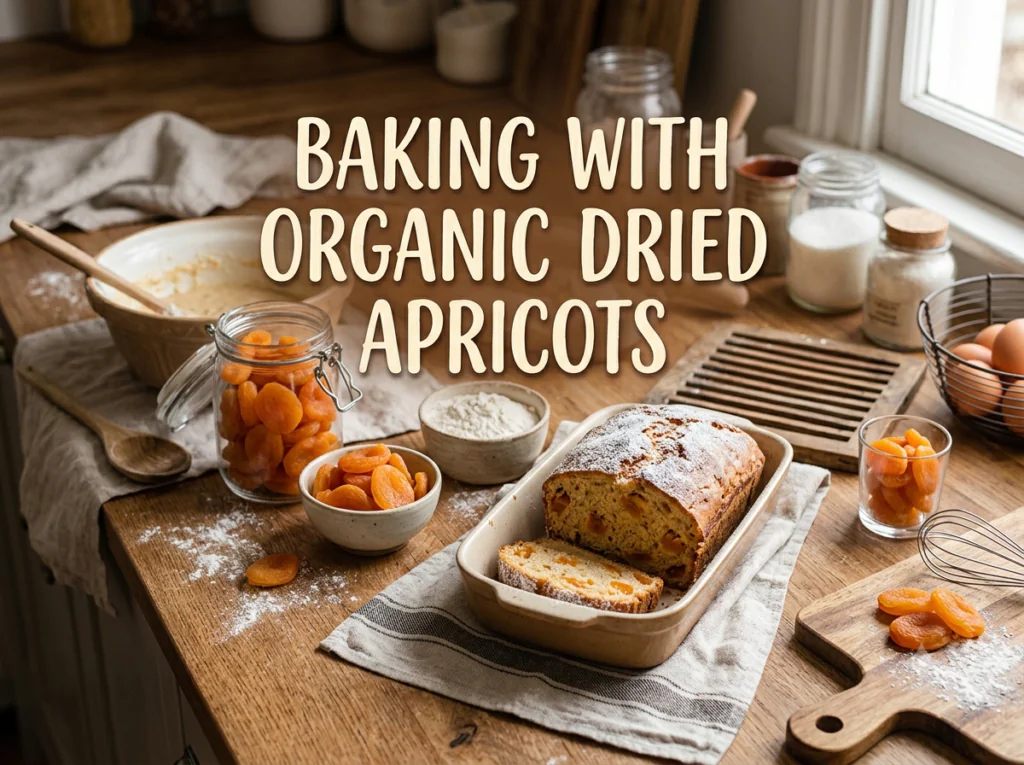
When you look to buy Organic Dried Apricots from a trusted supplier like Sahara Food EU, you are choosing fruit that is dried naturally without the use of sulfur dioxide. This means they retain their authentic, deep earthy-brown hue rather than a bright, chemical orange, signaling to your customers and guests that they are eating pure, wholesome food.
The Culinary Appeal of Organic Dried Apricots
In professional and home kitchens alike, balance is everything. While sugar provides sweetness, it lacks depth. Organic dried apricots offer a unique dual profile: a concentrated, honey-like sweetness balanced by a sharp, refreshing acidity.
When baked, these fruits don’t melt away into the dough. Instead, they form soft, jammy pockets of flavor that break up the richness of butter, nuts, and chocolate. This makes them incredibly versatile across a wide variety of pastry styles, from rustic sourdough loaves to delicate, flaky tarts.
4 Essential Techniques for Baking with Dried Apricots
To get the absolute best results when incorporating organic dried apricots into your baked goods, a few simple preparation steps make all the difference. Dried fruits absorb moisture naturally, which means they can alter the chemistry of your batter if not handled correctly.
1. The Art of Plumping (Rehydration)
Because dried apricots have low moisture content, adding them directly to a dry cake batter can result in a crumbly, dry texture, as the fruit steals moisture from the surrounding cake.
-
How to fix it: Before folding them into your mix, place your chopped apricots in a bowl and cover them with boiling water, fruit juice, or even a spiced liquor like rum. Let them sit for 10 to 15 minutes. Drain them thoroughly and pat them dry with a paper towel. This ensures they stay plump, juicy, and soft throughout the baking process.
2. Preventing the “Sinking” Effect
Have you ever sliced into an apricot loaf cake only to find all the fruit huddled at the very bottom? This happens because heavy pieces of fruit sink through light batters during the early stages of baking.
-
How to fix it: Toss your chopped, dried (or plumped and dried) apricots in a single tablespoon of your recipe’s flour mixture right before folding them in. The light coating of starch creates friction, helping the fruit stay perfectly suspended throughout the batter as it rises in the oven.
3. Pairing Flavor Profiles
Apricots play incredibly well with specific ingredients. If you are designing a new recipe, try pairing them with:
-
Nuts: Almonds, walnuts, and pistachios. (The marzipan flavor of almonds mimics the natural stone-fruit notes of the apricot).
-
Spices: Cardamom, cinnamon, ginger, and nutmeg.
-
Dairy: Goat cheese, cream cheese, and rich butter.
4. Adjusting Dice Size to Fit the Bake
The size of your fruit pieces should mirror the texture of your bake. For delicate cookies or scones, a fine dice (roughly the size of a pine nut) ensures you get fruit in every bite without ruining the structural integrity of the pastry. For hearty artisan breads or festive fruitcakes, large, rustic quarters look stunning and provide an excellent chew.
Perfect Recipes to Elevate with Apricots
If you are looking for inspiration on how to feature organic dried apricots on your menu or home table, here are a few classic foundations that benefit immensely from their inclusion:
Rustic Apricot & Walnut Sourdough
Fold a generous handful of chopped apricots and toasted walnuts into your bread dough during the final stretch-and-fold cycle. The natural sugars in the apricot slightly caramelize against the hot Dutch oven wall, creating a gorgeous, deeply flavored crust that pairs beautifully with salted butter or sharp cheeses.
Apricot & Almond Frangipane Tarts
Line a pastry shell with almond cream (frangipane) and press plumped organic apricot quarters into the top before baking. As the tart bakes, the cream puffs up around the fruit, creating an elegant, bakery-style presentation where the tartness of the fruit cuts right through the sweet almond base.
Morning Fuel Energy Bars
Combine rolled oats, honey, seeds, and finely chopped organic apricots into a sheet pan, press firmly, and bake until golden. The natural tackiness of the apricots acts as a brilliant binder, reducing the need for excess syrups while providing a clean, sustained energy release for the morning rush.
Why the “Organic” Label Matters in Baking
For bakers, the visual differences between organic and conventional apricots are striking. Conventional apricots are treated with sulfur dioxide gas to preserve a bright neon-orange color. Organic dried apricots, however, are allowed to ripen completely in the sun and dry naturally. This turns them a beautiful dark brown.
Beyond the aesthetics, sulfur dioxide can impart a distinct chemical aftertaste that interferes with delicate pastry profiles like vanilla or butter. By choosing organic apricots, you ensure your baked goods smell and taste exactly like nature intended—rich, sweet, fruity, and completely free of synthetic additives.
At Sahara Food EU, we specialize in sourcing clean, premium ingredients that let your culinary skills shine. Incorporating our organic dried apricots into your bakery rotation is a simple upgrade that pays massive dividends in flavor, texture, and quality.