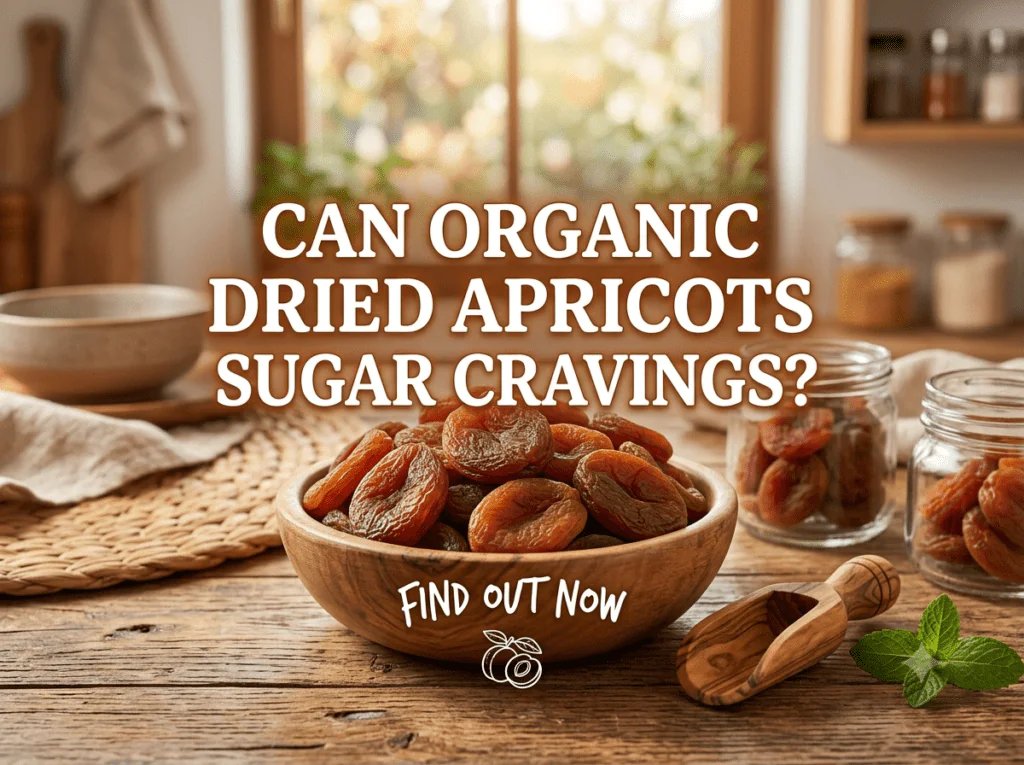
When evaluating dietary strategies for weight management and metabolic health, determining whether organic dried apricots can help reduce sugar cravings is a major priority for health-conscious consumers. Sugar cravings are rarely a matter of simple willpower; they are biological signals driven by blood glucose fluctuations, nutrient deficiencies, and hedonic brain responses. Managing these episodes effectively requires a strategic substitute that satisfies the palate without destabilizing insulin levels.
For businesses and retailers catering to wellness trends across Europe, choosing to buy wholesale Organic Dried Apricots from Sahara Food EU provides a premium, clean-label solution to meet this demand. Unlike conventional dried fruits that are frequently preserved with sulfur dioxide and coated in refined syrups, certified organic sun-dried apricots offer an unadulterated, low-glycemic option that actively targets the root causes of intense sweet cravings.
The Biological Mechanics of a Sugar Craving
To understand why organic dried apricots are effective, one must look at how standard refined sugar snacks impact the human body. When you consume a high-glycemic item, such as candy or a pastry, your blood glucose levels surge rapidly. In response, the pancreas secretes a substantial amount of insulin to clear glucose from the bloodstream.
This intense physiological reaction often results in a rapid “sugar crash,” driving blood glucose levels below the baseline. The brain interprets this sudden drop as an energy crisis, immediately triggering an intense craving for more fast-acting carbohydrates. This creates a destructive cycle of spikes, crashes, and behavioral patterns that complicate healthy dietary choices.
How Organic Dried Apricots Intercept the Craving Cycle
Organic dried apricots break this specific cycle through a combination of structural properties, micronutrient density, and natural biochemical composition.
1. Low Glycemic Index and Sustained Glycemia
Despite their intensely sweet, concentrated flavor, dried apricots possess a surprisingly low Glycemic Index (GI) score, generally ranging between 30 and 42. This classification means they exert a slow, measured influence on postprandial (post-meal) blood glucose levels. The natural sugars present—primarily a balanced blend of fructose and glucose—are released gradually into the portal vein rather than flooding the system simultaneously. This slow release prevents the sharp insulin spikes that cause subsequent sugar crashes.
2. High Viscous Fiber Content
The underlying mechanism behind this low glycemic response is fiber density. A half-cup serving of dried apricots delivers approximately 4.7 grams of dietary fiber, encompassing both soluble and insoluble forms.
-
Soluble Fiber: Forms a gel-like matrix within the digestive tract, slowing gastric emptying and delaying the enzymatic breakdown of carbohydrates.
-
Insoluble Fiber: Adds physical bulk to the food bolus, promoting satiety and signaling the release of leptin and peptide YY—hormones responsible for telling the brain that the body is fully satisfied.
By slowing down the entire digestive process, the fiber content ensure that the natural sweetness satisfies your taste buds while keeping you physically full for a significantly longer duration than any processed snack could manage.
3. Fructose and the Saturation Factor
Dried apricots contain natural fructose, which is metabolized differently than sucrose or high-fructose corn syrup. Fructose carries a higher perceived sweetness index on the human tongue, meaning less actual mass is required to register a sense of indulgence in the brain’s reward center. This allows a very small portion of dried fruit to successfully quiet a psychological craving, reducing the total caloric intake required to feel satisfied.
Correcting Nutrient Deficiencies that Mimic Sweet Cravings
In many cases, an urgent craving for sweets is actually a masked biological demand for specific minerals. Organic dried apricots are exceptionally rich in trace minerals that stabilize metabolic function.
Potassium and Fluid Equilibrium
An intracellular shortage of potassium can manifest as fatigue and erratic energy slumps, which the brain often mistakes for a lack of glucose. Apricots are among the highest dietary sources of potassium. By optimizing cellular fluid balance and supporting nervous system conduction, potassium prevents the systemic fatigue that typically drives people toward quick-fix sugar items in the late afternoon.
Iron and Cellular Oxygenation
Iron deficiency impairs hemoglobin production, leading to subpar oxygen transport throughout muscle and brain tissues. The resulting chronic lethargy naturally makes the body seek rapid energy in the form of refined carbohydrates. The non-heme iron found in organic apricots, paired with their natural copper content, assists in cellular energy synthesis, addressing the physical exhaustion that prompts emotional or impulsive eating.
The Importance of Sourcing Unsulfured Organic Apricots
When utilizing dried apricots as a functional health tool, the clean-label status of the ingredient is critically important. Conventional dried apricots are routinely treated with sulfur dioxide ($SO_2$) gas to preserve a bright orange coloration and artificially extend shelf life.
However, certified organic dried apricots are allowed to dry naturally under the sun, turning a deep, rich brown color. This distinction is vital for several health reasons:
| Attribute | Organic Sun-Dried Apricots | Conventional Dried Apricots |
| Color | Deep Brown / Dark Amber | Vibrant Bright Orange |
| Preservatives | None (100% Free from Sulfites) | Treated with Sulfur Dioxide ($SO_2$) |
| Flavor Profile | Deep, rich, molasses-like caramel | Sharp, slightly chemical tartness |
| Health Risks | Hypoallergenic, clean digestive transit | Can trigger respiratory issues and gut irritation |
By opting for completely unsulfured, organic apricots, consumers avoid synthetic preservatives that can disrupt gut microbiome equilibrium. A healthy, balanced gut microbiome is heavily linked to proper metabolic regulation and fewer systemic cravings for processed, hyper-palatable foods.
Practical Implementation for European Food Businesses
For food manufacturers, bakeries, and health-food brands operating within the European Union, introducing organic dried apricots into product formulations or retail shelves is an excellent strategy to target the growing wellness demographic. They can be effectively integrated into clean-eating routines in several key ways:
-
Satiating Trail Mixes: Pairing organic dried apricots with raw almonds or walnuts combines low-GI sugars with healthy fats and proteins, slowing down glucose absorption even further.
-
Whole-Food Confectionery: Blending unsulfured apricots into raw energy bars provides an excellent structural binder that sweetens products naturally, allowing for a completely “No Added Sugar” label.
-
Functional Culinary Elements: Utilizing chopped organic apricots in breakfast porridges or savory grain salads adds complex flavor notes while supporting daily dietary fiber targets.
Summary
When utilized mindfully, organic dried apricots are an excellent, evidence-based tool for reducing sugar cravings. Their combination of a low glycemic index, high dietary fiber, and essential metabolic minerals allows them to stabilize blood glucose, encourage satiety, and effectively interrupt the hormonal cycle of energy crashes.
Sahara Food EU provides premium, wholesale organic dried apricots that preserve all of these natural therapeutic benefits, helping you supply your customers with the authentic ingredients they need for long-term health and metabolic balance.