
Understanding whether organic dried apples are worth the price is a critical calculation for food manufacturers, retail brands, and health-conscious consumers looking to optimize their product quality. Apples consistently rank near the top of the “Dirty Dozen” list due to heavy pesticide applications during conventional farming, making the transition to organic clean-label ingredients highly practical.
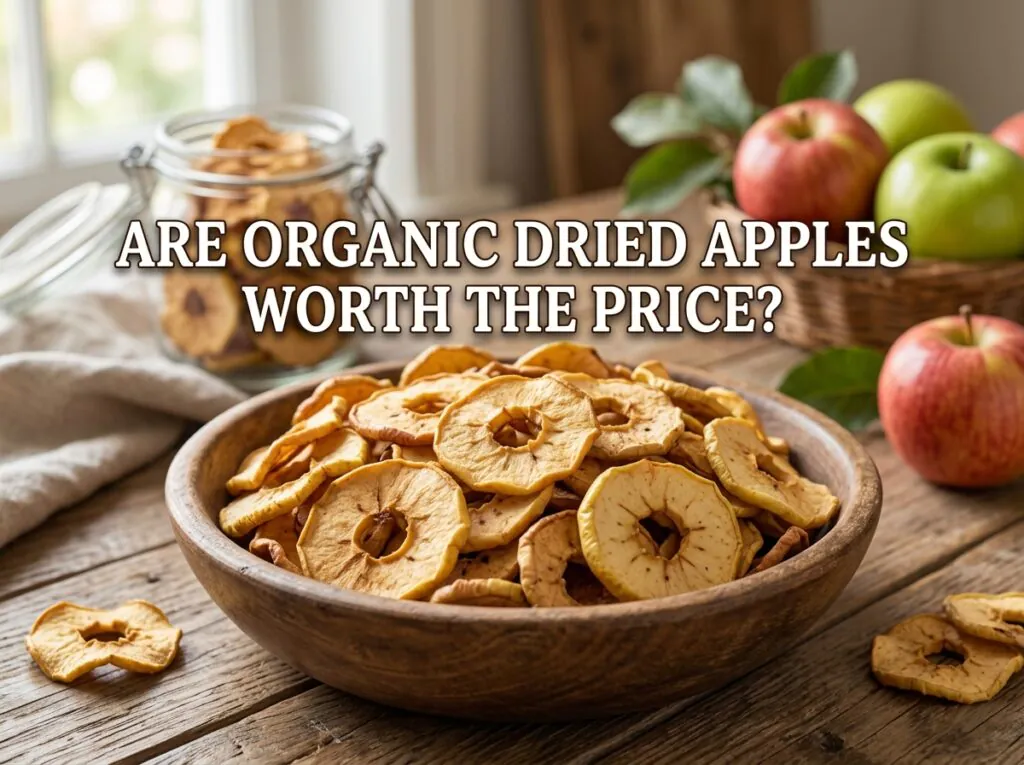
When sourcing raw ingredients to meet strict European food safety standards, smart businesses choose to buy wholesale Organic Dried Apples in Bulk directly from BRC-certified suppliers like Sahara Food EU. Making this switch guarantees that your products remain free from synthetic chemical residues, chemical preservatives like sulfur dioxide, and artificial additives. Let’s break down the clear functional, nutritional, and financial reasons why certified organic dried apples justify their premium cost.
1. Zero Chemical Preservatives (The Sulfur Dioxide Difference)
The most immediate, visible difference between cheap conventional dried apples and certified organic dried apples is the treatment process.
-
Conventional Processing: Standard dried apples are routinely treated with sulfur dioxide ($SO_2$) gas. This chemical acts as a preservative to prevent natural browning, keeping the apple rings artificially bright white or light yellow. However, sulfites are a known allergen that can trigger severe respiratory issues, asthma attacks, and digestive distress in sensitive consumers.
-
Organic Processing: Organic standards strictly forbid the use of synthetic sulfur dioxide or chemical bleaching agents. Instead, organic apples are dried naturally or treated with organic lemon juice (citric acid) to control oxidation. This results in a slightly darker, beautifully rustic, and golden-brown appearance.
For clean-label food brands aiming to market allergen-free, wholesome, or child-friendly foods, paying the organic premium is the only way to completely eliminate chemical sulfites from your ingredient deck.
2. Elimination of Pesticide and Fungicide Accumulation
Apples are structurally prone to pests, fungi, and blights, leading conventional growers to spray orchards repeatedly throughout the growing season.
When fresh fruit is dehydrated to make dried apple pieces or rings, water is removed, and the remaining dry matter is highly concentrated. This means that any systemic or surface chemical residues present on the skin of conventional apples also become highly concentrated in the final dried product.
By purchasing certified organic dried apples, you ensure the raw fruit was grown utilizing natural biodiversity, cover crops, and organic pest management. The result is a clean, chemical-free raw material that comfortably passes rigorous EU import regulations and chemical residue laboratory screenings.
3. Real Flavor Concentration vs. Sugar Syrups
Because conventional processors often work with lower-quality, mass-produced apples, they frequently infuse the fruit with sugar syrups or apple juice concentrates to mask sourness and mimic freshness. This artificially inflates the weight of the product with cheap, simple carbohydrates.
Organic dried apples rely entirely on the natural, complex sugars inherent to the apple variety. During the gentle dehydration process, the water evaporates, concentrating the organic malic acid and natural fructose. This delivers a rich, sweet-tart, and genuinely authentic apple flavor that artificial flavorings simply cannot replicate. In bakery applications, gourmet granolas, or breakfast cereals, this means you can use a lower volume of fruit to achieve a superior flavor profile.
4. Key Nutritional and Structural Retention
Is there a physical difference in nutrient retention? Yes. The gentle, temperature-controlled dehydration process used in certified organic production preserves the delicate structural matrix of the fruit.
-
Dietary Fiber: Organic dried apples retain their high concentrations of pectin (a beneficial soluble fiber) and insoluble fiber. This supports gut health and digestive regularity.
-
Potassium and Vitamin C: A single serving provides essential potassium to aid cardiovascular health and muscle function, alongside trace minerals that remain stable during dehydration.
-
Antioxidant Protection: Organic apples are rich in protective phytochemicals, particularly quercetin and catechin, which protect cells from oxidative stress.
5. Industrial and Culinary Benefits for EU Businesses
For bakeries, food manufacturers, and repackaging distributors across Europe, using premium organic dried apple pieces or rings provides significant functional benefits:
-
Perfect Moisture Control: Properly dried organic apple pieces maintain a stable water activity ($a_w$) level, preventing moisture migration in dry cereal packs or granola blends.
-
Structural Stability in Baking: When folded into sourdoughs, muffins, cakes, or festive tarts, organic apple pieces rehydrate evenly, absorbing surrounding liquids without collapsing into mush.
-
Appealing Textural Sensation: Unsweetened organic apples offer an authentic, soft, and chewy bite that improves the mouthfeel of premium trail mixes.
Conclusion: A Value-Driven Investment
Are organic dried apples worth the price? When you factor in the complete elimination of synthetic sulfur dioxide, the avoidance of concentrated chemical pesticides, and the superior, deep flavor profile, the answer is a resounding yes. For modern brands competing in the high-growth European organic food sector, using certified clean ingredients is not just a marketing asset—it is a baseline requirement for building consumer trust.
Partnering with a BRC-certified importer like Sahara Food EU ensures your wholesale supply chain remains highly secure, fully traceable, and completely aligned with European organic standards.