
Determining if your tropical snacks contain unnecessary additives is crucial, which is why consumers ask: does organic dried mango contain added sugar? The short answer is no pure, high-quality organic dried mango relies entirely on the fruit’s natural sugars for its intense sweetness and satisfyingly chewy texture.
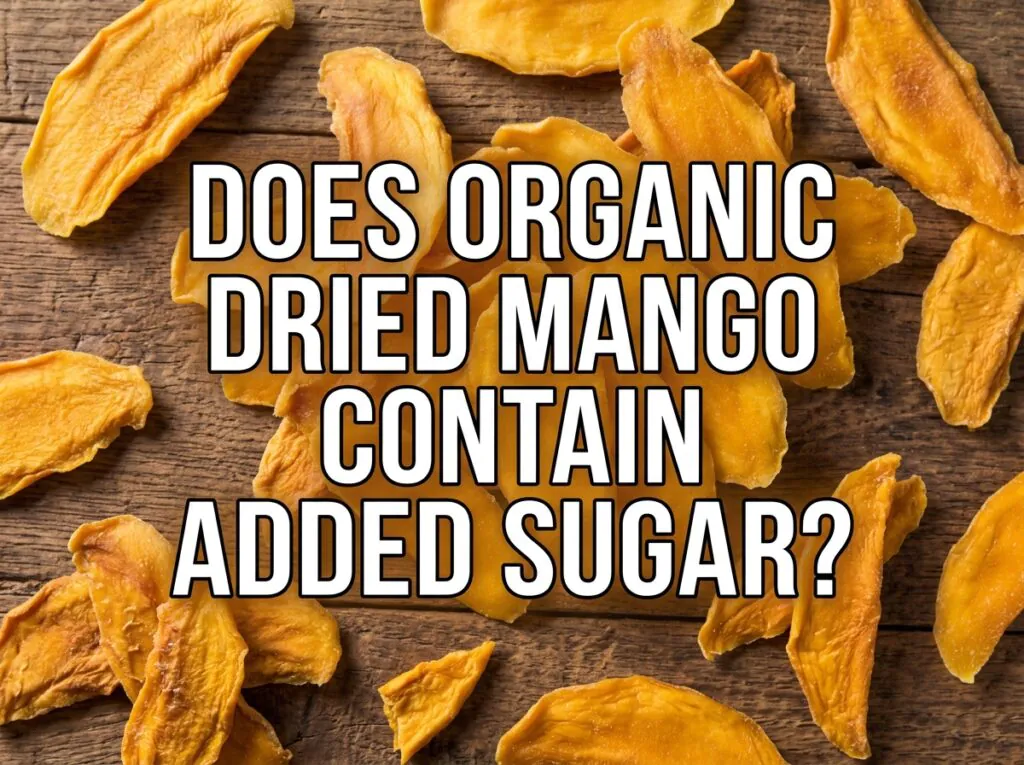
For food producers, retailers, and healthy snack brands across Europe, sourcing clean ingredients without hidden sweeteners is a top priority. Many businesses choose to buy wholesale Organic Dried Mango in bulk from Sahara Food EU to ensure their product lines feature nothing but 100% natural, single-ingredient fruit. When mangoes are grown organically and harvested at peak ripeness, they naturally concentrate their sugars during the dehydration process, making supplemental sweeteners completely redundant.
Natural Fruit Sugars vs. Added Sugar
To understand why organic dried mango is sweet enough on its own, it helps to understand what happens during the drying process.
A fresh mango is highly saturated with water. When the fruit is gently sliced and dehydrated, nearly all of that water content is drawn out. What remains is a highly concentrated portion of the fruit’s original pulp, dietary fiber, and natural sugars (fructose and glucose).
-
Concentration Effect: Since the water is removed, the natural sweetness of the mango is amplified. One strip of dried mango contains the same amount of natural sugar as a much larger slice of fresh mango, just packed into a smaller, chewier bite.
-
The Taste Test: True organic dried mango has an intensely sweet yet slightly tangy, complex flavor. If a dried mango strip tastes cloyingly sweet (similar to gummy candy) and has a powdery, crystalline coating, it has likely been steeped in sugar syrup before drying.
Why Conventional Dried Mango Often Has Added Sugar
If mangoes are naturally sweet, why do so many conventional packages on supermarket shelves list sugar or corn syrup in the ingredients?
-
Masking Underripe Fruit: Mass-production facilities often harvest conventional mangoes before they are fully ripe to simplify transport and handling. Because underripe mangoes are tart and fibrous, manufacturers soak them in sugar baths to make them palatable.
-
Weight Padding: Sugar is an inexpensive filler. By soaking dried fruit in heavy sugar syrups, manufacturers can artificially increase the weight of the final retail packaging at a very low cost.
-
Preservatives (Sulfur Dioxide): Conventional dried mangoes are almost always treated with sulfur dioxide to preserve their bright orange-yellow color. Added sugars are frequently introduced alongside these chemical preservatives to mask the chemical taste.
By contrast, certified organic dried mango must adhere to strict processing standards that prohibit chemical preservatives, synthetic color-fixers, and artificial sweeteners.
How to Read the Nutrition Label
When inspecting a package of dried mango to verify if it is completely free of added sugars, you should look at two specific areas on the back label:
| Label Section | What to Look For | What It Means |
| Ingredients List | Ingredients: Organic Mango (and nothing else). | This confirms a 100% single-ingredient, clean-label product. |
| Nutrition Facts | Includes 0g Added Sugars under the Total Carbohydrates section. | This guarantees that the sugar present is purely intrinsic to the fruit. |
A Quick Warning: Do not be alarmed by a high “Total Sugars” count on the nutrition panel. Dried fruits naturally carry a high concentration of carbohydrates. The key detail is ensuring that the “Added Sugars” line reads exactly zero.
The Nutritional Profile of Unsweetened Organic Dried Mango
When you consume pure, organic dried mango with zero sugar added, you are fueling your body with valuable micro and macronutrients:
-
High Dietary Fiber: A single serving provides a significant dose of soluble and insoluble fiber, which slows down the digestion of the fruit’s natural sugars, preventing sudden insulin spikes and supporting healthy gut digestion.
-
Vitamin A (Beta-Carotene): Gives mango its rich orange hue. Vitamin A is essential for maintaining sharp vision, healthy skin cell turnover, and robust immune defenses.
-
Vitamin C & Antioxidants: Dehydrated mango retains valuable antioxidants, including polyphenols, which help neutralize free radicals and reduce systemic oxidative stress.
Culinary Uses for Clean-Label Dried Mango
Because pure organic dried mango is free from sticky sugar coatings, it behaves beautifully in a wide range of culinary applications:
-
Clean Snacking: Perfect as a portable, shelf-stable energy boost for athletes, children’s lunchboxes, and trail mixes.
-
Baking and Confectionery: Chop the mango strips and fold them into scones, artisan breads, flapjacks, or energy bars.
-
Savory Cooking: Dice and rehydrate dried mango to create vibrant, tangy tropical salsas, chutneys, or tagines.
-
Breakfast Bowls: Finely slice and scatter over organic oatmeal, Greek yogurt, or homemade muesli for a burst of tropical flavor without artificial additives.
Conclusion: The Sahara Food EU Standard
When buying organic dried mango, choosing a trusted source makes all the difference. At Sahara Food EU, our organic dried mango is harvested at the peak of ripeness and gently dehydrated with absolutely zero added sugars, sulfur dioxide, or synthetic additives. We provide pure, sun-ripened tropical fruit that respects both your health and the environment.
Whether you are a retail brand looking to expand your organic snack line or a food manufacturer demanding clean-label ingredients, our wholesale bulk options provide the premium quality your customers deserve.