
Learning how to add organic dried mango to salads is one of the easiest ways to transform plain greens into vibrant, restaurant-quality dishes. The intense natural sweetness, tropical aroma, and satisfyingly chewy texture of dried mango bring an unexpected depth that elevates simple everyday salads into culinary highlights.
When restaurants, caterers, and food creators across Europe plan their seasonal menus, they rely on suppliers to bulk wholesale Organic Dried Mango alongside other organic staples from Sahara Food EU. Utilizing organic dried mango ensures your salads feature fruit grown without synthetic pesticides, chemical preservatives, or added refined sugars delivering clean, uncompromised tropical flavor in every bite.
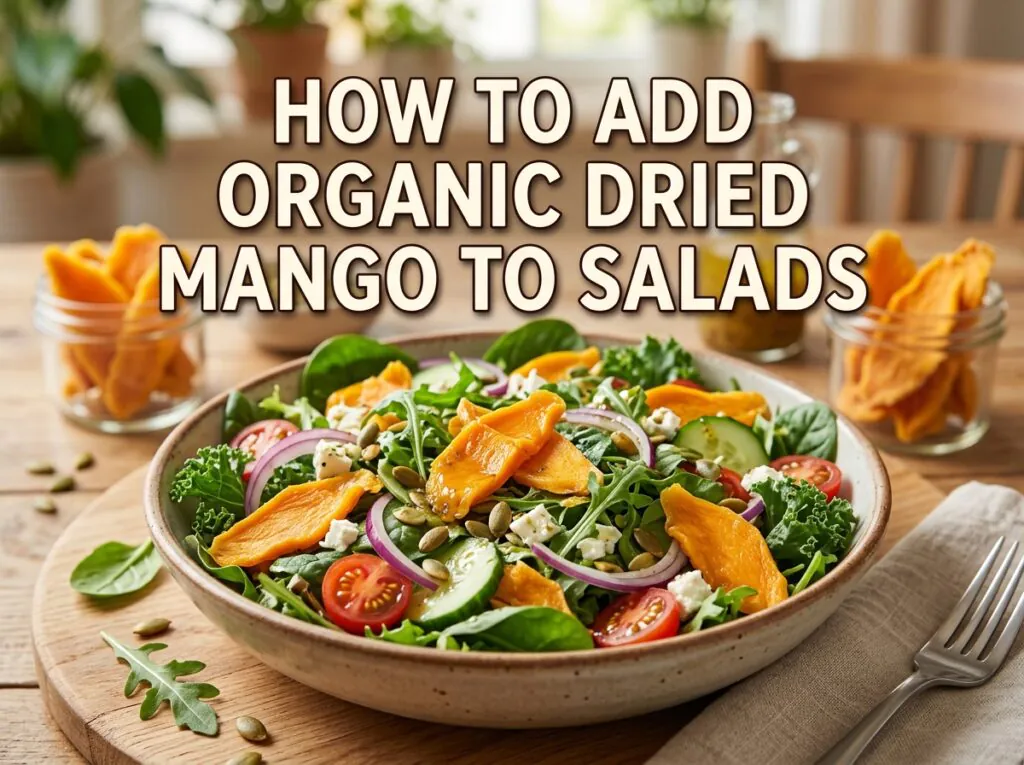
Why Organic Dried Mango Belongs in Salads
While fresh fruit is a traditional salad addition, dried fruit offers distinct culinary advantages. Fresh mangoes can turn mushy or release excess water that dilutes salad dressings. Organic dried mango, on the other hand, holds its structural integrity while providing concentrated sweetness and a pleasant bite.
-
Textural Contrast: Dried mango adds a firm, chewy element that contrasts brilliantly with crisp lettuces, crunchy seeds, and soft cheeses.
-
Balanced Acidity: The natural tartness and concentrated sugar of sun-ripened organic mango help balance bitter greens like arugula, kale, and endive.
-
Year-Round Availability: Fresh tropical fruit varies by season, but organic dried mango provides consistent flavor and quality throughout the entire year.
Key Preparation Techniques for Salads
To get the best results when integrating dried mango into salad recipes, consider how you handle and cut the fruit before tossing it with your greens.
1. The Right Slicing Method
Dried mango usually comes in long, flat strips or chunks. For salads, avoid tossing whole strips directly onto the greens, as they can be difficult to bite through. Instead, use a sharp, lightly oiled chef’s knife or kitchen shears to cut the mango into julienne strips (thin matchsticks) or small bite-sized dices. This distributes the tropical flavor evenly so every forkful gets a touch of sweetness.
2. The Quick Rehydration (Plumping) Method
If your dried mango strips are firmer or if you are serving a salad with delicate leafy greens, quick-plumping the mango works wonders:
-
Place diced organic dried mango in a bowl of warm water, warm fruit juice, or citrus juice for 5 to 10 minutes.
-
Drain well and pat dry on a paper towel before adding to the salad.
-
This process softens the outer texture while keeping the core chewy and juicy.
3. Marinating in Salad Dressing
An alternative to water rehydration is allowing the cut dried mango to sit directly in your vinaigrette for 15 minutes before serving. The fruit absorbs the acid (such as lime juice or white balsamic vinegar) from the dressing, softening slightly while infusing the dressing itself with a subtle tropical sweetness.
4 Flavor-Packed Salad Combinations
Here are four balanced salad concepts where organic dried mango acts as the star ingredient:
Concept 1: Tropical Mexican-Style Chopped Salad
-
Base: Chopped romaine lettuce and purple cabbage.
-
Add-ins: Diced organic dried mango, black beans, sweet corn, sliced avocado, and pumpkin seeds (pepitas).
-
Dressing: Zesty lime-cilantro vinaigrette with a pinch of smoked paprika or chili powder.
-
Why it works: The sweet mango balances the earthy black beans and the spicy kick of the chili-lime dressing.
Concept 2: Peppery Arugula, Goat Cheese & Mango
-
Base: Wild baby arugula.
-
Add-ins: Julienne-cut organic dried mango, soft crumbled goat cheese (or feta), and toasted sliced almonds.
-
Dressing: Simple extra virgin olive oil and lemon juice.
-
Why it works: The peppery bite of arugula cuts right through the sweet mango, while the creamy cheese binds the textures together.
Concept 3: Vibrant Quinoa & Grain Power Bowl
-
Base: Fluffy cooked white or red quinoa (cooled).
-
Add-ins: Rehydrated diced organic dried mango, diced cucumber, fresh mint leaves, chopped parsley, and toasted cashew nuts.
-
Dressing: Orange-zest and olive oil dressing with a hint of cumin.
-
Why it works: Perfect for meal prep; the dried mango holds up well in grain salads without breaking down over several days in the fridge.
Concept 4: Thai-Inspired Cabbage & Peanut Crunch
-
Base: Shredded green cabbage, red cabbage, and grated carrots.
-
Add-ins: Thinly sliced organic dried mango, fresh cilantro, scallions, and crushed roasted peanuts.
-
Dressing: Sesame-ginger vinaigrette or a light peanut-lime dressing.
-
Why it works: Recreates the classic flavor profile of a green papaya salad using year-round organic pantry items.
Pro Tips for Elevating Your Salad Creations
-
Toast Your Nuts and Seeds: Pair dried mango with toasted almonds, walnuts, or pecans. The warm, nutty oils highlight the fruit’s tropical notes.
-
Watch the Dressing Sugar: Since dried fruit naturally concentrates fruit sugars, choose dressing recipes that emphasize citrus, vinegar, and healthy oils rather than added honey or maple syrup.
-
Add Fresh Herbs: Mint, cilantro, and basil pair exceptionally well with mango, creating an aromatic finish that brightens the entire dish.
Conclusion
Incorporating organic dried mango into salads is a simple yet powerful way to bring excitement, texture, and natural sweetness to healthy meals. Whether featured in a spicy Mexican chop, a peppery arugula bowl, or a hearty grain mix, these sun-ripened tropical fruit pieces elevate standard recipes into standout dishes.
At Sahara Food EU, we are dedicated to providing top-tier organic ingredients directly to commercial kitchens, wholesalers, and food brands across Europe—making clean, exceptional culinary creations simple and accessible.