
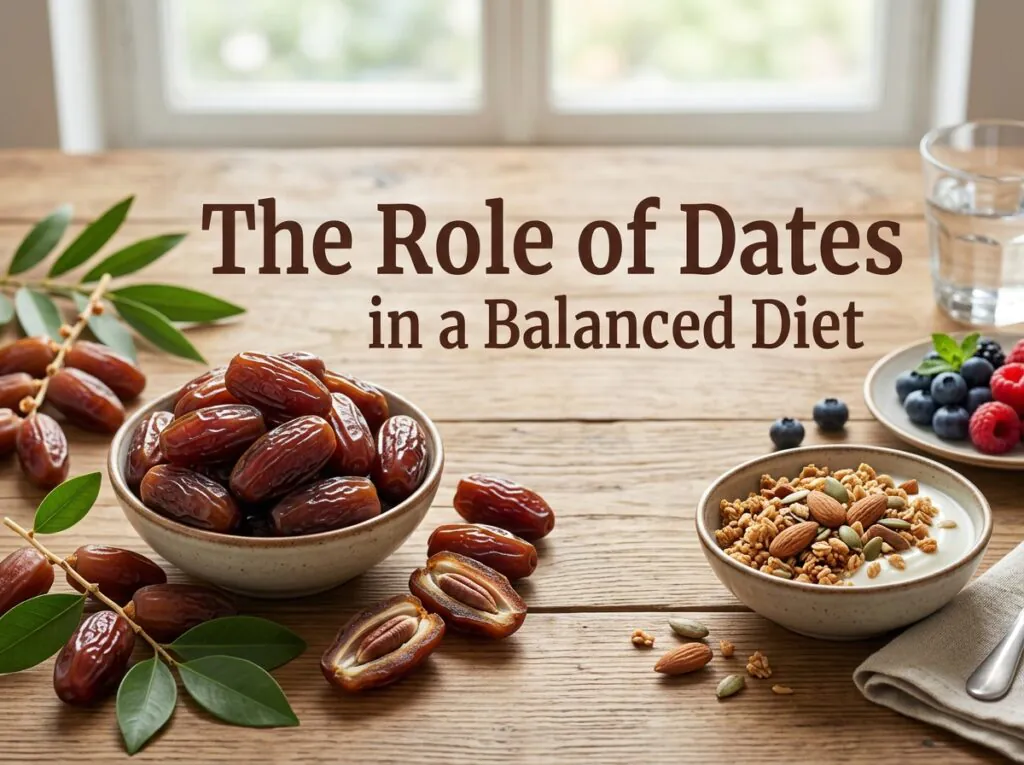
Understanding the role of dates in a balanced diet is essential for anyone seeking to enhance their daily nutritional intake with whole, unrefined foods. As consumers and food creators across Europe shift toward cleaner eating habits, these ancient dried fruits are gaining modern recognition as a dietary cornerstone that seamlessly unites natural sweetness with functional wellness.
When food businesses, artisan bakeries, and health-focused retailers aim to meet this rising demand for nutritious ingredients, they rely on reputable suppliers like Sahara Food EU to source wholesale dates in bulk. Incorporating high-quality dates into your daily food routine offers a reliable, naturally sweet method to boost essential mineral intake, stabilize digestive function, and sustain physical vitality throughout the day.
1. Sustained Energy Without the Sugar Crash
One of the most valuable contributions dates make to a balanced diet is their ability to provide clean, reliable physical energy. Unlike refined cane sugars or synthetic sweeteners that trigger rapid spikes in blood glucose followed by sudden fatigue, dates deliver carbohydrates alongside a dense matrix of dietary fiber.
-
Triple-Sugar Complex: Dates naturally contain glucose, fructose, and sucrose. This balanced ratio allows for both immediate energy utilization and extended release.
-
Glycemic Moderation: Because the intrinsic dietary fiber slows down how quickly these natural sugars are absorbed in the gut, dates possess a low-to-moderate glycemic index.
-
Pre-Workout Fuel: Eating two or three dates thirty minutes prior to exercise offers muscle tissue a steady fuel supply without causing stomach distress.
By swapping processed sugar with date paste or whole chopped dates, you preserve metabolic equilibrium while satisfying your palate’s desire for sweetness.
2. Digestive Health and Microbiome Support
A balanced diet relies heavily on efficient digestion, and dates are exceptionally well-suited to keep your gastrointestinal system running smoothly. A modest serving of dates delivers roughly 7 grams of fiber per 100 grams, fulfilling a substantial portion of your daily recommended intake.
The fiber profile in dates consists of both soluble and insoluble types:
-
Insoluble Fiber: Adds healthy bulk to stool and encourages smooth intestinal motility, reducing the occurrence of sluggish digestion and constipation.
-
Soluble Fiber: Works as a natural prebiotic, feeding beneficial strains of gut flora. A healthy, diverse microbiome directly supports immune resilience, mood balance, and nutrient absorption efficiency.
3. Essential Mineral Density for Cardiovascular and Skeletal Health
Micronutrient deficiencies are common in modern diets reliant on ultra-processed foods. Dates serve as a dense, bioavailable source of key dietary minerals that support vital organ systems.
-
Potassium: Dates are an outstanding plant source of potassium, containing significantly more per weight than many common fresh fruits. Potassium plays a central role in regulating cellular fluid balance, promoting proper nerve signaling, and neutralizing excess sodium to support healthy blood pressure levels.
-
Magnesium and Calcium: These minerals work in tandem to support muscle contraction, vascular relaxation, and long-term skeletal bone density.
-
Iron: Incorporating dates into a plant-focused diet helps maintain healthy red blood cell counts and oxygen transport, helping guard against dietary fatigue.
4. Rich Antioxidant Profile for Cellular Protection
Incorporating dates into your meal plan introduces a variety of potent plant compounds that guard against cellular oxidative stress. Compared to similar dried fruits like figs or prunes, dates rank among the highest in total antioxidant concentration.
-
Flavonoids: Well-documented for their anti-inflammatory properties, flavonoids help protect tissues against systemic stress and support overall cardiovascular wellness.
-
Carotenoids: Known to promote ocular health while contributing to heart function.
-
Phenolic Acids: Active compounds that reduce cellular inflammation and bolster defense mechanisms against chronic systemic strain.
Regular intake of these natural protective compounds assists the body in maintaining long-term vitality at a cellular level.
5. Practical Ways to Include Dates in Daily Meals
The key to maintaining a balanced diet is consistency, and dates excel because they require zero preparation and adapt effortlessly to diverse recipes:
-
Whole Food Snacks: Pair pitted dates with raw almonds, walnuts, or pumpkin seeds for a balanced blend of healthy fats, protein, and complex carbs.
-
Natural Baking Sweetener: Blend soaked dates with warm water to create a smooth date puree, allowing you to cut refined white sugar out of cake batters, muffins, and oat cookies.
-
Savory Pairings: Chop dates into grain bowls, quinoa salads, or roasted vegetable trays alongside olive oil and fresh herbs to create a delicious balance of sweet and savory notes.
-
Smoothie Enhancement: Drop one or two pitted dates into your green morning smoothie to mask bitter greens while adding a silky texture and mineral boost.
Conclusion
The role of dates in a balanced diet extends far beyond their historical legacy as a traditional treat. Packed with sustained energy, essential fiber, cardiac-supporting minerals, and protective antioxidants, dates offer a practical and delicious way to meet daily wellness goals.
At Sahara Food EU, we are dedicated to providing pure, high-grade organic produce to help businesses, food creators, and households build healthier eating habits across Europe.