
Mastering how to rehydrate organic dried fruits is a transformative skill for any chef or home baker looking to restore the succulent, juicy texture of fresh harvest to their pantry staples. Whether you are working with sun-dried apricots, chewy figs, or premium Khajoor, the rehydration process unlocks a deeper flavor profile and ensures your culinary creations remain moist and structurally perfect.
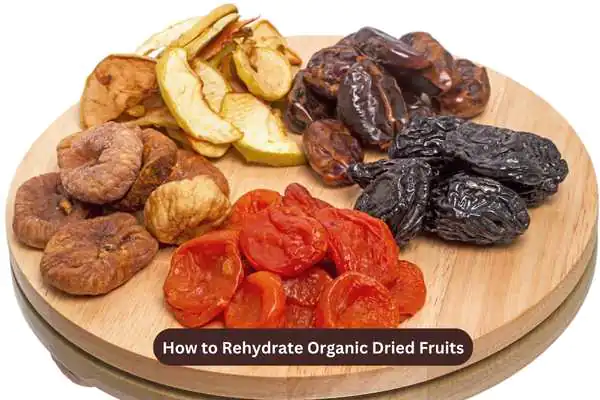
For businesses and culinary enthusiasts in Europe, sourcing high-quality ingredients is the first step toward excellence. When you choose to purchase Organic dried fruits in bulk from Sahara Food EU, you are starting with a product that has been preserved at the peak of ripeness without the use of synthetic sulfur or harsh preservatives. This purity makes the rehydration process even more rewarding, as the fruit absorbs liquid cleanly, resulting in a vibrant, natural taste.
The Science Behind Rehydration: Why Moisture Matters
Dried fruit is essentially fresh fruit with 80% to 90% of its water content removed. While this makes it shelf-stable and concentrates its natural sugars, the texture can sometimes be too firm for specific recipes like delicate tarts, smooth sauces, or soft-crumb muffins.
Rehydration, often called “plumping,” is the process of reintroducing controlled moisture into the cellular structure of the fruit. This does more than just soften the exterior; it balances the glycemic intensity of the fruit and allows it to integrate seamlessly into batters without absorbing the moisture intended for the dough or cake itself.
4 Proven Methods to Rehydrate Dried Fruit
Depending on your timeline and the intended use, there are several ways to bring your organic dried fruits back to life.
1. The Hot Water Steep (The Quick Method)
This is the most common technique for everyday baking. It is fast, efficient, and requires no special equipment.
-
The Process: Place your dried fruit in a heat-proof glass bowl. Pour boiling water over the fruit until it is completely submerged.
-
Duration: 10 to 15 minutes.
-
Best For: Raisins, cranberries, and chopped dates for muffins or cookies.
2. The Overnight Cold Soak (The Gourmet Method)
If you want to preserve the most delicate nutritional enzymes and achieve a perfectly uniform texture, cold soaking is superior.
-
The Process: Submerge the fruit in filtered, room-temperature water. Cover the bowl and place it in the refrigerator.
-
Duration: 8 to 12 hours.
-
Best For: Whole apricots, figs, and larger plums that you intend to serve as part of a breakfast bowl or cheese platter.
3. Infusion with Flavored Liquids (The Culinary Upgrade)
Water isn’t your only option. You can add layers of complexity by using liquids that complement the fruit’s natural sugars.
-
Fruit Juices: Use apple juice for raisins or orange juice for cranberries.
-
Teas: Earl Grey tea adds a wonderful floral note to dried figs and dates.
-
Alcohol: For festive baking or sophisticated desserts, rehydrate your fruit in brandy, rum, or a dessert wine like Sherry.
4. The Steam Treatment (The Gentle Method)
Steaming is ideal when you want the fruit to be soft but not “wet.”
-
The Process: Place the fruit in a steamer basket over simmering water.
-
Duration: 5 minutes.
-
Best For: Softening dates (Khajoor) before stuffing them with nuts or cheese.
Tips for Specific Fruit Varieties
Every fruit reacts differently to moisture. At Sahara Food EU, we categorize our organic selections to help you choose the right approach:
-
Organic Dates (Khajoor): These rarely need long soaking. A quick 5-minute dip in warm water is usually enough to loosen the skin for peeling or blending into a smooth paste.
-
Dried Figs: These have a tough outer skin and a seedy interior. A longer soak (at least 20 minutes) helps the skin soften so it doesn’t feel “rubbery” in your final dish.
-
Apricots: Organic apricots are naturally darker and firmer than conventional ones because they lack sulfur dioxide. They benefit significantly from a simmer in a small saucepan with a bit of honey and water for 5 minutes.
Common Mistakes to Avoid
To ensure your rehydrated fruit remains a high-quality ingredient, avoid these pitfalls:
-
Over-soaking: If you leave fruit in hot water for too long (over 30 minutes), it can become mushy and lose its structural integrity, eventually disintegrating into the batter.
-
Discarding the Liquid: The leftover soaking water is essentially a fruit-infused syrup! It is packed with flavor and water-soluble vitamins. Use it to replace a portion of the liquid in your cake recipes or add it to a morning smoothie.
-
Not Patting Dry: After rehydrating, always drain the fruit in a colander and pat it dry with a clean kitchen towel before adding it to flour-based recipes. Excess surface moisture can create “wet spots” in your bread or cake.
Why Sahara Food EU?
At Sahara Food EU, we understand that the best culinary results come from the best raw materials. Our organic dried fruits are sourced with a focus on sustainable European standards, ensuring that when you rehydrate our products, you are tasting the fruit exactly as nature intended—free from additives, dyes, and synthetic sugars.
By mastering these rehydration techniques, you elevate your pantry from a collection of snacks to a professional-grade toolkit. Whether you are a large-scale bakery or a home enthusiast, the difference is in the details.