
Knowing how to store organic dried fruits properly is the secret to maintaining their rich flavor, chewy texture, and dense nutritional profile long after purchase. Unlike conventional snacks loaded with sulfur dioxide and artificial preservatives, organic dried fruits rely on their natural sugar content and low moisture levels to stay fresh, making your storage strategy the most important factor in preventing spoilage.
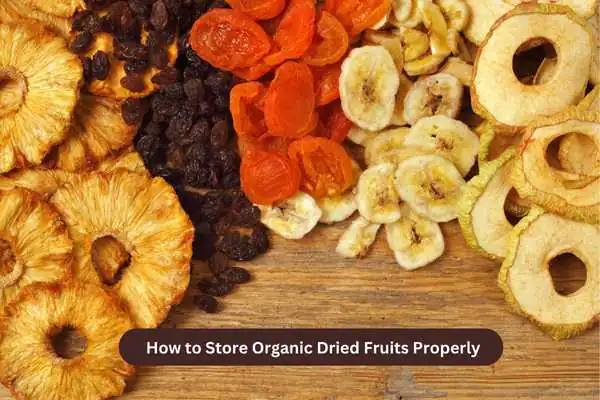
When you buy wholesale organic dried fruits from a trusted supplier like Sahara Foods EU, you are investing in premium, chemical-free produce. However, because these fruits lack synthetic mold inhibitors, they are more sensitive to environmental factors like heat, light, and oxygen. Whether you are stocking up on succulent Medjool dates, sun-dried apricots, or Turkish figs, following a systematic storage approach ensures every bite remains as vibrant as the day it was harvested.
Understanding the Enemies of Dried Fruit: Heat, Air, and Light
To master the art of preservation, you must first understand what causes dried fruit to degrade. Organic produce is “living” food; even after the dehydration process, it remains susceptible to oxidation and moisture reabsorption.
-
Oxidation: Exposure to air causes the natural oils and vitamins in the fruit to break down. This leads to a loss of color (browning) and a toughening of the skin.
-
Moisture Migration: If the environment is too humid, the fruit will absorb water from the air, creating a breeding ground for mold. Conversely, if the air is too dry and the container isn’t airtight, the fruit becomes rock-hard.
-
Temperature Fluctuations: High heat accelerates the breakdown of natural sugars, which can lead to a fermented smell or “off” taste.
Step 1: Choose the Right Storage Containers
The original packaging is rarely the best long-term home for your organic snacks. Once opened, transition your fruits into containers that offer a true hermetic seal.
-
Glass Jars: Mason jars with high-quality lids are the gold standard. Glass is non-porous, does not leach chemicals, and allows you to easily monitor the fruit for any signs of moisture buildup.
-
Vacuum Sealing: For those buying in bulk, vacuum sealing is the most effective way to eliminate oxygen entirely, extending shelf life by up to 300%.
-
Food-Grade Mylar Bags: These are excellent for blocking out 100% of light, which is crucial for preserving light-sensitive vitamins like Vitamin A and C found in apricots and berries.
Step 2: The Three Tiers of Storage (Pantry, Fridge, and Freezer)
Where you keep your containers depends entirely on how quickly you plan to consume the fruit.
The Cool Pantry (Short-Term: 1–4 Months)
If you eat dried fruits daily, a dark pantry or cupboard is sufficient. Ensure the spot is away from the stove, dishwasher, or any heat-generating appliances. The temperature should ideally remain below 20°C (68°F).
Refrigeration (Medium-Term: 6–10 Months)
For organic dates and moisture-rich fruits like figs, the refrigerator is highly recommended. The consistent cold temperature slows down the darkening process and keeps the texture “jammy.” Ensure the container is tightly sealed to prevent the fruit from absorbing odors from other foods like onions or cheese.
Deep Freezing (Long-Term: 12+ Months)
Dried fruits have low water content, meaning they don’t actually freeze solid or suffer from “freezer burn” as easily as fresh fruit. Freezing is the best way to maintain the integrity of organic products for over a year. You can eat them straight from the freezer or let them sit at room temperature for 10 minutes.
Step 3: Managing “Sugar Sweating” and Crystallization
You may occasionally notice white powder or crystals on the surface of your dates or figs. This is often mistaken for mold, but in organic fruits, it is usually sugar crystallization. As the moisture inside the fruit evaporates, the natural sugars migrate to the surface.
-
How to fix it: If your fruit has crystallized, simply microwave it for 5–10 seconds or steam it lightly. The heat will re-absorb the sugar into the pulp, restoring the soft texture.
-
How to prevent it: Ensure your containers are truly airtight to stop the internal moisture from escaping.
Step 4: Hygiene and “The Clean Scoop” Rule
A common reason for premature spoilage is cross-contamination. Never reach into a bulk bag of organic dried fruit with damp or unwashed hands. Moisture from your skin or bacteria can transfer to the fruit, triggering mold growth within the sealed environment. Always use a clean, dry scoop or pour the desired portion into a separate bowl.
Why Quality Sourcing Matters for Storage Success
The longevity of your stored fruit is dictated by its quality at the point of origin. Fruits that are processed using traditional, slow-drying methods—common in the premium selections at Sahara Foods EU—retain a stable internal structure that withstands storage much better than flash-dried, mass-produced alternatives.