
Salads often suffer from a bad reputation. We picture them as plates of limp lettuce, a bland necessity in a healthy diet. But the truth is, a salad is a blank canvas, ready for an explosion of flavors and textures. The secret to transforming your greens from “boring” to “brilliant”? Organic dried fruits in salads can make all the difference.
Think about it. A perfect salad isn’t just about the leafy greens. It’s a delicate balance of flavor profiles: the tang of a vinaigrette, the crunch of nuts or seeds, the creamy element of cheese (or avocado), and the crucial element of sweetness. This isn’t just about adding sugar; it’s about a complex, natural sweetness that complements the salty, savory, and bitter notes of the other ingredients. This is where dried fruit shines, and why it’s a staple in many classic salad recipes.
The Organic Advantage: Taste the Difference
When we talk about dried fruits, the source matters profoundly. Choosing organic dried fruits isn’t just about avoiding synthetic pesticides and fertilizers—although that’s a significant health benefit. It’s about flavor. Organic fruits are often grown on smaller farms, allowed to ripen more fully on the tree or vine before being carefully dried. This traditional process intensifies the natural sugars and develops a richer, more complex taste.
Imagine a conventional dried apricot: often sulfur-treated for that bright orange color, resulting in a slightly metallic or sour aftertaste. Now, imagine an organic apricot: naturally sun-dried to a deeper, rich brown, with a deep, jammy, almost caramel-like sweetness. The difference is night and day, and that difference directly impacts the final flavor of your salad.
For businesses looking to offer the highest quality ingredients, you can buy wholesale Organic dried fruits from Sahara Food EU, ensuring that every piece of fruit in your salads is packed with pure, natural flavor.
Unlocking Texture and Visual Appeal
Flavor is only one part of the equation. A great salad is a multi-sensory experience, and texture plays a leading role. Fresh fruits can often lose their structure or get mushy when tossed in a dressing. Dried fruits, however, provide a fantastic, slightly chewy, and condensed bite. This contrasts beautifully with the crunch of walnuts, the creaminess of goat cheese, and the crisp freshness of rocket or spinach.
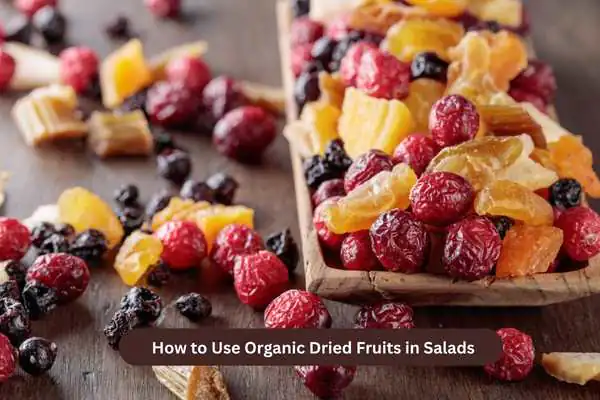
Let’s not forget the visual aspect. We eat with our eyes first. A sprinkle of bright red organic dried cranberries, the deep amber of sliced apricots, or the almost-black gleam of chopped dates can turn a simple green salad into a vibrant, appetizing centerpiece.
Perfect Pairings: The Art of Combining Flavors
The real magic happens when you pair specific dried fruits with complementary ingredients. Here are some of our favorite combinations, moving beyond the basic cranberry and walnut:
1. The Classic: Dates, Walnuts, and Blue Cheese
This is a powerhouse combination. The deep, rich, almost toffee-like sweetness of sliced or chopped dates (like the exquisite Medjool or Deglet Noor) perfectly counters the sharp, tangy, and salty bite of blue cheese. The walnuts add the essential crunch, creating a sophisticated salad that’s popular on many restaurant menus. Try this on a bed of peppery arugula or mixed greens.
2. The Bright and Tangy: Apricots, Goat Cheese, and Pistachios
Apricots are a fantastic alternative to cranberries. Their natural sweetness is balanced by a subtle tang. When paired with creamy, tart goat cheese and the distinctive, slightly salty flavor of pistachios, they create a beautifully balanced salad. This combination works exceptionally well with fresh spinach or a simple lemon-olive oil vinaigrette.
3. The Holiday Winner: Cranberries, Feta, and Pumpkin Seeds
This is a modern classic for a reason. The sour-sweet pop of dried cranberries cuts through the richness of any dish. When mixed with the salty tang of feta and the earthy, robust crunch of roasted pumpkin seeds, it creates a flavor profile that feels both comforting and fresh. This is perfect on a bed of kale, spinach, or even shredded Brussels sprouts for a festive side.
4. The Deep and Rich: Figs, Pecans, and Balsamic Vinaigrette
Dried figs have a unique, slightly grainy texture and a deep, almost wine-like sweetness. They pair beautifully with the buttery richness of pecans. This duo is practically begging for a rich, well-aged balsamic vinaigrette, which draws out the molasses notes in both the fig and the nut. This combination works wonderfully with a mixture of dark, leafy greens.
Step-by-Step: Building Your Ultimate Dried Fruit Salad
Ready to create your own masterpiece? Here’s a simple framework:
-
Choose Your Greens: Start with a foundation. This can be anything from crisp romaine to peppery rocket, delicate baby spinach, or a robust kale mix.
-
Add a Nut or Seed for Crunch: Walnuts, pecans, pistachios, almonds, pumpkin seeds (pepitas), sunflower seeds—the choices are endless. For extra flavor, briefly toast them in a dry pan.
-
Incorporate Your Organic Dried Fruit: Pick a fruit based on the flavor profile you want (e.g., dates for sweetness, apricots for tang, figs for richness).
-
Introduce a “Creamy/Salty” Element: This is usually a cheese like feta, goat cheese, blue cheese, or parmesan shavings. For a vegan option, try diced avocado or a dollop of vegan feta.
-
Drizzle with Your Vinaigrette: The dressing is the bridge that connects all the flavors. A simple balsamic or lemon vinaigrette often works best, as it won’t overpower the delicate notes of the dried fruit.
-
Optional Boost: Add a cooked grain like quinoa, farro, or couscous for a more filling salad.
Beyond the Bowl: Dried Fruits in Other Fresh Dishes
While salads are the primary showcase, don’t limit yourself. Organic dried fruits can be a fantastic addition to other fresh side dishes:
-
Grain Salads: A quinoa or couscous salad comes alive with a handful of dried apricots, dates, or cranberries.
-
Roast Vegetable Tosses: Before serving roasted root vegetables (like carrots, sweet potatoes, or parsnips), toss them with some chopped dates or apricots. The warmth slightly softens the fruit and releases its sugars.
-
Coleslaw Re-imagined: Swap the traditional raisins in your slaw for dried cranberries or finely chopped dates for a slightly more modern and sophisticated sweetness.
Final Thoughts
Using organic dried fruits in salads is one of the easiest ways to upgrade your meal prep or impress your guests. It’s about more than just adding sweetness; it’s about depth, texture, visual contrast, and a natural, complex flavor profile that fresh fruit simply can’t match. By choosing organic, you ensure you’re getting the best possible taste while supporting sustainable agriculture.