
Choosing to incorporate organic dried fruits into your diet is more than a culinary preference; it is a commitment to superior nutrition and environmental purity compared to conventional alternatives. While both options might look similar on a shelf, the structural, chemical, and nutritional differences are profound, influencing everything from your metabolic health to the sustainability of the planet.
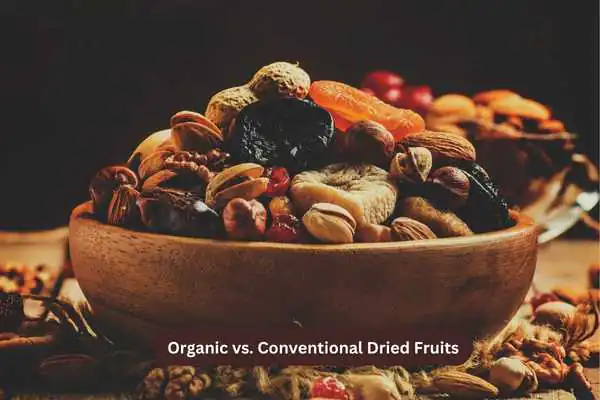
For businesses and health-conscious consumers in the European Union, the shift toward organic is accelerating. When you choose to buy wholesale Organic dates from a trusted supplier like Sahara Food EU, you aren’t just purchasing a snack; you are investing in a product free from the “hidden” additives that plague the conventional dried fruit industry.
The Chemical Divide: Pesticides and Synthetic Residues
The most immediate reason organic dried fruits are better than conventional ones lies in what isn’t inside them. In conventional farming, fruits like grapes, apricots, and dates are often treated with synthetic pesticides, herbicides, and fungicides to maximize yield.
When these fruits undergo the dehydration process, the water content evaporates, but the chemical residues remain. This creates a concentrated dose of synthetic substances. Organic farming, strictly regulated under EU standards, prohibits these synthetic inputs. By opting for organic, you eliminate the risk of consuming concentrated pesticide residues, which have been linked in various longitudinal studies to endocrine disruption and other long-term health concerns.
The Invisible Culprit: Sulfur Dioxide and Preservatives
If you’ve ever noticed that conventional dried apricots are a bright, neon orange, while organic ones are a deep, earthy brown, you’ve seen Sulfur Dioxide ($SO_2$) at work.
Conventional processors use sulfur dioxide as a preservative to prevent darkening and extend shelf life. However, for many individuals, particularly those with asthma or respiratory sensitivities, sulfites can trigger allergic reactions or digestive discomfort. Organic dried fruits are dried naturally, usually by the sun or in controlled low-heat environments, without the need for artificial color-fixatives. The darker color of organic fruit is a hallmark of authenticity—it’s the result of natural caramelization and the absence of bleaching agents.
Nutrient Density and Secondary Metabolites
Recent agricultural research suggests that organic fruits often contain higher levels of secondary metabolites, such as polyphenols and antioxidants. Because organic plants are not “shielded” by synthetic chemicals, they must develop their own natural defense mechanisms against pests and environmental stress.
These defense mechanisms are the very antioxidants—like phenolic acids and flavonoids—that humans benefit from when consuming fruit. In the context of dried fruits, where nutrients are already concentrated, the organic advantage becomes even more significant. You get more “bang for your buck” in terms of cellular protection and anti-inflammatory properties.
Soil Health: The Foundation of Flavor
The superior taste often attributed to organic dried fruits isn’t a myth; it’s a result of soil management. Organic farming focuses on building living soil through composting, crop rotation, and natural fertilizers.
Healthy soil with a rich microbial biome allows the plant to absorb a broader spectrum of minerals. This mineral diversity translates into a more complex flavor profile. A conventional date might provide one-dimensional sweetness, but an organic Khajoor offers notes of caramel, honey, and even hints of spice. For chefs and food manufacturers, this depth of flavor is indispensable.
Environmental and Ethical Impact
The “Better” in “Better than Conventional” also applies to the planet. Conventional agriculture is a leading driver of soil degradation and water contamination due to chemical runoff.
-
Biodiversity: Organic farms support significantly more biodiversity, including essential pollinators like bees.
-
Carbon Sequestration: Organic soil management techniques are more effective at sequestering carbon, making it a vital tool in the fight against climate change.
-
Water Preservation: By avoiding synthetic nitrogen fertilizers, organic farming prevents the leaching of nitrates into groundwater, protecting local ecosystems in the regions where these fruits are grown.
The European Standard: Trusting the Green Leaf
At Sahara Food EU, we understand that the European market demands transparency. The EU organic logo (the green leaf) is a guarantee that the product has met some of the strictest agricultural standards in the world.
From the moment the fruit is harvested in the sun-drenched groves to the point it reaches our wholesale warehouse, every step of the supply chain is audited. This ensures that the “Organic” label is a promise kept, not just a marketing term. For retail businesses, offering organic options caters to a growing demographic of “Prosumers”—professional consumers who read labels and value ethical sourcing.
Economic Value: Quality Over Quantity
While conventional dried fruits are often cheaper at the point of purchase, the “true cost” is higher when you factor in environmental cleanup and potential health externalities. For the savvy buyer, organic dried fruits offer better value because of their purity and potency. You need less of a high-quality organic date to achieve a deep flavor in baking than you would with a bland, sugar-treated conventional one.
Summary Checklist: Organic vs. Conventional
| Feature | Organic Dried Fruit | Conventional Dried Fruit |
| Pesticides | None (Synthetic-free) | Potentially High Residue |
| Preservatives | No Sulfur Dioxide | Frequently Sulfated |
| Color | Natural/Dark | Artificially Bright |
| Antioxidants | Higher Concentrations | Standard Levels |
| Environment | Regenerative/Sustainable | High Chemical Impact |
Conclusion
The evidence is clear: organic dried fruits offer a cleaner, more nutrient-dense, and more flavorful experience than their conventional counterparts. By removing synthetic chemicals and artificial preservatives from the equation, we allow the fruit’s natural brilliance to shine. Whether you are a health-conscious individual or a business looking to provide the best for your clients, choosing organic is the definitive step toward a higher standard of food.