
Understanding the shelf life of organic dried fruits is essential for maintaining both the nutritional integrity and the premium flavor profile of these natural superfoods. Unlike conventional snacks laden with synthetic preservatives, organic varieties rely on traditional dehydration methods to stay fresh, making proper storage a critical factor for home kitchens and commercial pantries alike.
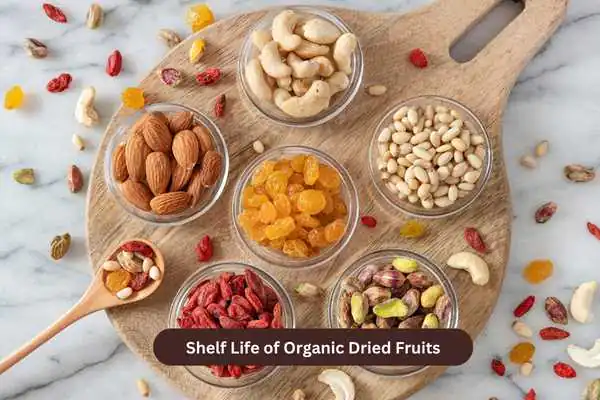
When you invest in high-quality produce, such as the premium selections from Sahara Food EU, you are choosing a product free from sulfur dioxide and artificial coatings. To get the most out of your investment, especially when you choose to Organic dried fruits in bulk, implementing a strategic storage plan is the best way to extend longevity without compromising on quality.
What Determines the Shelf Life of Organic Dried Fruits?
The preservation of dried fruit is a delicate balance of moisture control and environmental stability. Because organic fruits are not treated with sulfites (which are used in conventional products to prevent browning and inhibit mold), they are more sensitive to their surroundings.
1. Residual Moisture Content
Every fruit has a specific “water activity” level. Dates (Khajoor) and figs are considered “soft” dried fruits because they retain more moisture, giving them that sought-after jammy texture. However, higher moisture levels mean a slightly shorter shelf life at room temperature compared to “hard” dried fruits like apple rings or mango slices.
2. Oxidation and Light Exposure
Light is an enemy of nutrition. Continuous exposure to UV rays breaks down the vitamins and antioxidants in organic fruits, leading to discoloration and a “flat” taste. This is why professional-grade packaging is often opaque or stored in dark environments.
3. Temperature Fluctuations
Heat accelerates the breakdown of natural sugars. In a warm kitchen, the sugars in raisins or apricots can begin to ferment or crystallize (sugaring), which changes the mouthfeel and overall sweetness of the fruit.
Standard Shelf Life Guidelines: A Quick Reference
While specific durations vary based on the fruit type, here is a general timeline for organic dried fruits kept in optimal conditions:
-
Pantry (Cool, Dark Place): 6 to 12 months.
-
Refrigerator: 12 to 18 months.
-
Freezer: 2 years or more.
Items like Organic Medjool Dates or Deglet Noor Dates are best kept refrigerated if you plan to consume them over several months, as this preserves their soft, honey-like consistency.
Master the Art of Storage: 4 Pro Tips
To ensure your organic pantry remains top-tier, follow these industry-standard storage practices:
I. The Airtight Mandate
Once you open a bulk bag, the fruit is exposed to oxygen and ambient humidity. Transfer your fruits into glass jars with airtight lids or vacuum-sealed bags. This prevents the fruit from absorbing odors from other foods in your pantry and keeps the texture from becoming tough and rubbery.
II. Temperature Control
If your kitchen stays above 20°C (68°F), move your organic stash to the fridge. For those buying in large quantities for commercial use or long-term meal prepping, the freezer is your best friend. Organic dried fruits don’t actually “freeze solid” due to their high sugar content; they simply become firmer, making them easy to use straight from the cold.
III. The “Dark Corner” Strategy
If using glass jars, keep them inside a cupboard rather than on a countertop. This protects the vibrant natural colors of organic apricots and cranberries from fading under kitchen lights.
IV. Check for “Sugaring”
Occasionally, you might see white spots on your dates or figs. This is often not mold, but a natural process called sugar migration. The fruit’s natural sugars crystallize on the surface. While safe to eat, you can easily “reset” the fruit by lightly steaming it or warming it in the oven for a few minutes.
Identifying Spoilage in Organic Produce
Since organic fruits lack chemical stabilizers, it is important to know the signs of true spoilage. Always perform a sensory check:
-
Smell: If the fruit has a fermented, vinegary, or “off” musty odor, discard it immediately.
-
Appearance: Look for visible mold, which may appear fuzzy or blue-green. Do not confuse this with the white powdery sugar crystals mentioned earlier.
-
Texture: If the fruit has become excessively slimy or, conversely, so hard it is brittle and tasteless, its nutritional value has likely diminished.
Why Buying Organic in Bulk from Sahara Food EU Makes Sense
Choosing to stock up on organic produce is a sustainable and cost-effective move for businesses and health-conscious families. Sahara Food EU specializes in sourcing fruits that are harvested at peak ripeness and dried using methods that maximize shelf life naturally.
By skipping the synthetic additives, you are getting a cleaner product. When stored correctly using the methods outlined above, your bulk purchase will remain as flavorful on day 180 as it was on day one.
The Sustainability Factor
Buying in bulk also reduces packaging waste, aligning with the organic philosophy of environmental stewardship. It ensures you always have a nutrient-dense base for baking, smoothies, or quick energy snacks without the need for frequent, small-scale shopping trips.
Final Thoughts on Freshness
The shelf life of organic dried fruits is a testament to their purity. By respecting the natural characteristics of the fruit and providing a cool, dry, and dark home for them, you can enjoy the bounty of the harvest all year round. Whether you are a baker, a chef, or someone looking for the perfect natural snack, quality storage is the bridge between a simple ingredient and a gourmet experience.