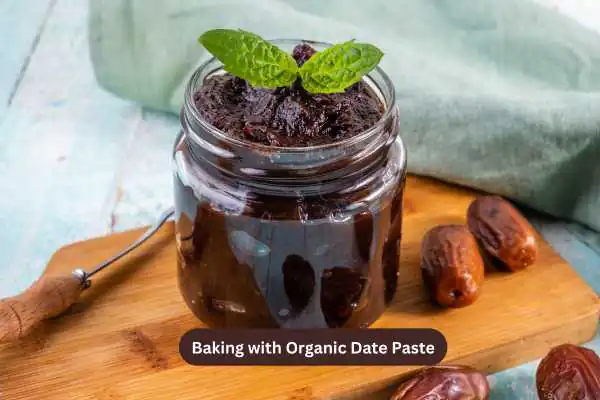
Mastering the art of baking with organic date paste allows you to create indulgent, sweet treats while completely removing refined sugars from your recipes. This natural alternative doesn’t just provide sweetness; it adds a rich, caramel-like depth and a moist texture that traditional granulated sugar simply cannot replicate.
For professional bakers and health-conscious food manufacturers, the ability to buy wholesale organic date paste through Sahara Food EU ensures a consistent, high-quality supply of this versatile ingredient. As the demand for “clean label” products grows across Europe, switching to date paste is one of the most effective ways to satisfy customers who want transparency in their ingredients.
The Natural Revolution in the Bakery
Date paste is essentially whole organic dates that have been steamed and ground into a smooth, thick consistency. Unlike syrups or honey, it contains the entire fruit, meaning you aren’t just getting the sugar—you are getting the fiber, minerals, and antioxidants as well.
In a professional baking environment, date paste acts as a humectant. This means it naturally holds onto moisture, extending the shelf life of breads, muffins, and cakes without the need for artificial preservatives. It is a functional ingredient that solves two problems at once: it cleans up the nutritional profile and improves the physical structure of the bake.
How to Substitute Date Paste for Sugar
One of the most common questions we receive at Sahara Food EU is how to actually make the switch in a standard recipe. While date paste is sweet, it isn’t a “dry” ingredient like white sugar.
The 1:1 Golden Rule
For most dense bakes—think brownies, blondies, and soft-batch cookies—you can substitute date paste for sugar on a 1:1 ratio. If a recipe calls for one cup of sugar, use one cup of date paste.
However, because date paste contains water, you may need to slightly reduce the other liquids in your recipe (such as milk or water) by about 10–15% to maintain the correct batter consistency. This adjustment prevents your cakes from becoming too heavy or “gummy” in the center.
Fat Replacement
Interestingly, date paste can also act as a partial fat replacer. Because of its creamy, thick texture, you can often swap half of the butter or oil in a muffin recipe for date paste. This significantly lowers the calorie count and saturated fat content while increasing the fiber.
Flavor Pairing: What Works Best?
While date paste is versatile, it truly shines when paired with certain flavor profiles.
-
Dark Chocolate and Cocoa: The earthy sweetness of dates cuts through the bitterness of high-quality cocoa. It results in a “fudgy” texture that is highly sought after in vegan and gluten-free baking.
-
Warm Spices: Cinnamon, nutmeg, cloves, and ginger are natural allies. A gingerbread or carrot cake made with date paste feels more traditional and “rustic” because the dates mimic the flavor of molasses.
-
Nuts and Seeds: The caramel notes of the paste complement the toastiness of walnuts, pecans, and sesame seeds (tahini).
Technical Tips for the Kitchen
When working with date paste at scale, there are a few practical steps to ensure a smooth production flow:
-
Temperature Management: Date paste is easier to incorporate into batters when it is at room temperature. If it has been stored in a cold warehouse or refrigerator, let it sit out for a few hours. This ensures it blends evenly without leaving “pockets” of fruit in the dough.
-
Creaming vs. Blending: In traditional baking, you “cream” butter and sugar to incorporate air. Date paste doesn’t hold air in the same way. When using paste, it is often better to whisk it into your wet ingredients (eggs, oil, or milk) first to ensure a perfectly homogenous mixture.
-
Browning (The Maillard Reaction): Dates contain natural fructose, which browns faster than sucrose (white sugar). You may find that your bakes reach a deep golden-brown color 5 minutes earlier than usual. We recommend lowering your oven temperature by about 10°C (15°F) and baking for a slightly longer duration to prevent the exterior from darkening before the middle is set.
Why Organic Certification Matters
For Sahara Food EU, the “organic” label isn’t just a marketing term—it’s a quality guarantee. Dates are a crop that can be heavily treated with pesticides in conventional farming. When those dates are processed into a concentrated paste, any chemical residues are also concentrated.
By choosing organic, you ensure that your final baked goods are free from synthetic residues. Furthermore, organic dates are typically grown in mineral-rich soil without synthetic fertilizers, which many bakers swear leads to a more complex, “terroir”-driven flavor in the fruit.
The Economic Advantage for Wholesale Buyers
Switching to date paste can also be a savvy business move. As sugar taxes and health regulations tighten across the EU, products sweetened with fruit paste often fall into better nutritional categories (such as the Nutri-Score “A” or “B”). This allows for better positioning on supermarket shelves and appeals to the growing demographic of parents looking for “no added sugar” snacks for their children.
By purchasing in bulk, bakeries can stabilize their ingredient costs. Unlike the volatile price of processed specialty sweeteners, organic date paste is a stable, whole-food commodity that adds tangible value to the final product.
Conclusion
Baking with organic date paste is a journey back to basics, using the natural sweetness of the earth to create modern, healthy masterpieces. Whether you are a small artisanal bakery or a large-scale manufacturer, incorporating this superfood into your recipes will elevate your brand and satisfy the sophisticated palate of today’s European consumer.
At Sahara Food EU, we are committed to providing the finest organic date paste to help your business thrive in the healthy-eating market.