
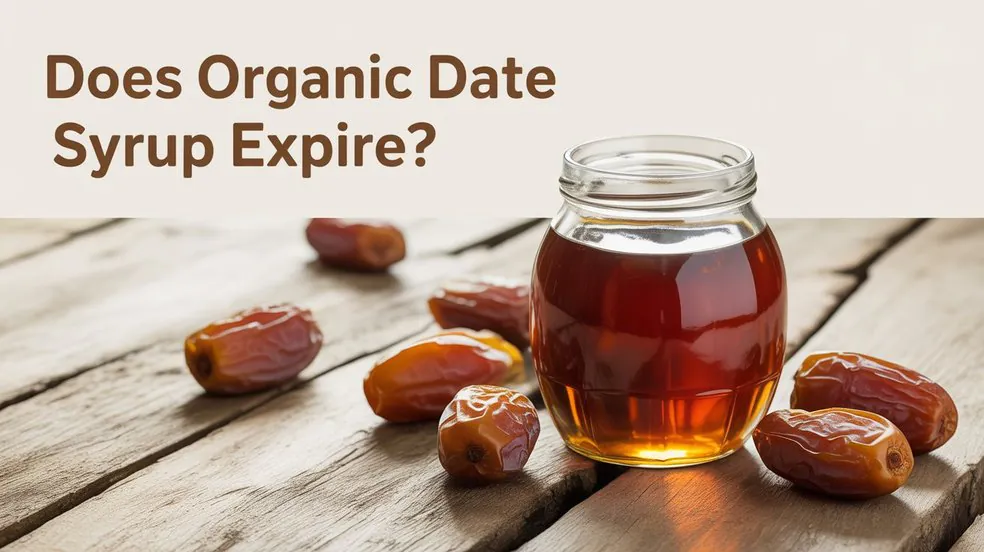
When managing a pantry full of natural sweeteners, one of the most common questions is does organic date syrup expire? While this rich, caramel-like nectar is celebrated for its long shelf life, understanding how to identify peak freshness and proper storage is essential for maintaining its nutritional integrity.
For businesses and home bakers who choose to purchase Organic Date Syrup in Bulk, knowing the science behind its longevity ensures that every drop used in your recipes remains as delicious and safe as the day it was pressed. At Sahara Food EU, we believe that quality ingredients deserve quality care, so let’s dive into the details of date syrup’s lifespan.
The Science of Date Syrup: Why It Lasts
To understand the expiration of organic date syrup, we first have to look at what it is. Unlike maple syrup or honey, which have their own unique preservation properties, date syrup is a concentrated reduction of organic dates and water.
The primary reason organic date syrup has such an impressive shelf life is its high sugar concentration and low water activity. Microorganisms, such as bacteria and food-borne pathogens, require moisture to thrive. During the production process, the dates are simmered and the liquid is reduced until it reaches a thick, syrupy consistency. This high concentration of natural sugars acts as a natural preservative, inhibiting the growth of most common spoilers.
Expiration Date vs. Best Before Date
It is important to distinguish between a “Use By” date and a “Best Before” date. Most organic date syrups will come with a Best Before date.
-
Best Before: This is a manufacturer’s estimate of how long the product will remain at its absolute peak quality. After this date, the syrup is usually still perfectly safe to consume, but you might notice slight changes in flavor, color, or texture.
-
Use By: This is a safety deadline. If a product has a “Use By” date, you should not consume it after that point.
Generally, an unopened bottle of organic date syrup can last 12 to 24 months past its production date if stored in a cool, dark place.
Signs Your Date Syrup Has Actually Expired
While it is rare for date syrup to “spoil” in a way that makes it toxic (unless moisture or contaminants have been introduced), there are clear signs that it is past its prime. Here is what to look for:
1. Mold Growth
If you see any fuzzy growth on the surface of the syrup or around the rim of the cap, the product has been contaminated. This usually happens if a dirty spoon was dipped into the jar or if condensation formed inside the lid. If you see mold, discard the entire container.
2. Off-Smells
Fresh organic date syrup has a deep, fruity, and slightly toasted aroma. If you open the bottle and detect a sour, fermented, or “yeasty” smell, it’s a sign that natural yeasts have begun to ferment the sugars. This often happens if the syrup was stored in a warm environment.
3. Change in Flavor
If the syrup tastes unusually tart, bitter, or lacks its signature sweetness, it’s time to replace it. While not necessarily dangerous, it will ruin the flavor profile of your baked goods or morning coffee.
4. Severe Discoloration
Date syrup is naturally dark, but if it turns an unnaturally dull or greyish hue, it may have oxidized significantly, leading to a degraded taste.
The Mystery of Crystallization
Often, people mistake crystallization for expiration. Over time, the natural sugars in the syrup may begin to form solid crystals, making the syrup look grainy or cloudy.
This is not a sign of spoilage. In fact, it is a sign of a high-quality, minimally processed product. If your syrup crystallizes, simply place the bottle in a bowl of warm water for 10–15 minutes and stir. The heat will dissolve the crystals and return the syrup to its smooth, liquid state.
Proper Storage for Maximum Longevity
To ensure your organic date syrup lasts as long as possible, follow these simple storage guidelines:
-
Avoid Direct Sunlight: Store your syrup in a pantry or cupboard away from windows. Light can break down the antioxidants and affect the color.
-
Keep it Cool: While date syrup doesn’t require refrigeration to stay safe, keeping it in the fridge can significantly extend its flavor life and prevent fermentation in warmer climates. Just keep in mind that cold syrup is thicker and harder to pour.
-
Seal it Tight: Always ensure the cap is screwed on tightly after each use to keep moisture and airborne yeasts out.
-
Clean Utensils: Never “double-dip.” Use a clean, dry spoon every time you measure out your sweetener.
Why Organic Matters for Shelf Stability
When you choose organic, you are getting a product free from synthetic additives and preservatives. Some might assume this makes it spoil faster, but the reality is that the natural purity of organic dates provides a more stable chemical balance.
At Sahara Food EU, our organic date syrup is processed to retain the maximum amount of polyphenols and minerals. These natural compounds don’t just provide health benefits; they also contribute to the overall stability of the syrup, ensuring that the product you use in six months tastes just as vibrant as it does today.
Summary for Professionals and Wholesalers
If you are buying in bulk for a bakery, restaurant, or health food brand, managing your inventory is key. Rotate your stock using the “First In, First Out” (FIFO) method. Because date syrup is so stable, it is one of the safest bulk ingredients to keep on hand, provided your storage area is temperature-controlled and dry.