
Knowing how long organic dried banana chips last is essential for maintaining a high-quality, nutrient-dense pantry or commercial inventory. Because these crunchy snacks contain no synthetic chemical preservatives or artificial shelf-stabilizers, their longevity depends entirely on how they are processed, packaged, and stored.
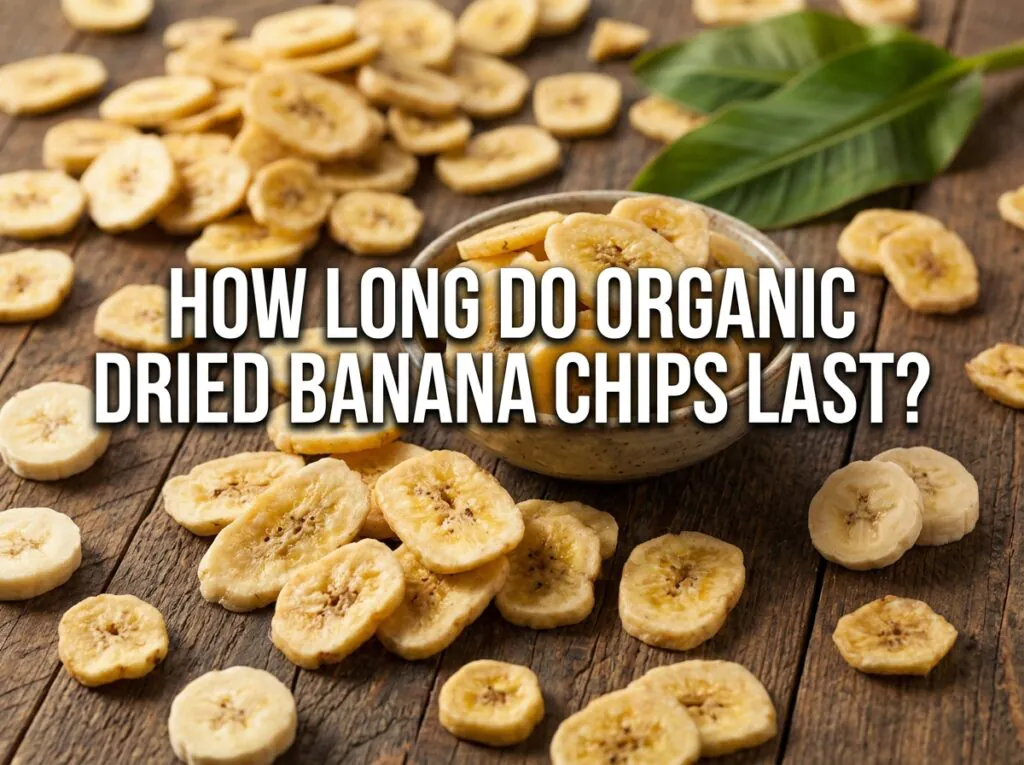
When sourcing pantry staples for wholesale distribution or large-scale food production across Europe, commercial buyers frequently choose to buy wholesale Organic Dried Banana Chips in Bulk from Sahara Food EU. Investing in pure, certified organic banana chips ensures you receive a premium product free from sulfur dioxide treatments, which means understanding the natural shelf-life timeline is the key to preventing waste and maximizing your investment.
The Standard Shelf Life of Organic Banana Chips
Under optimal conditions, unopened organic dried banana chips will reliably retain their peak flavor, crispness, and nutritional value for 10 to 12 months. Once the original factory seal is broken and the product is exposed to atmospheric oxygen and ambient humidity, this ideal window shortens to roughly 3 to 6 months if kept at standard room temperature.
Unlike fresh fruit, which spoils rapidly due to high water volume, the dehydration process eliminates roughly 95% of the moisture within the banana slices. This dramatic reduction in water activity creates an inhospitable environment for food-borne bacteria, molds, and yeasts, allowing the chips to remain safely edible for nearly a year when handled correctly.
3 Critical Factors That Determine Longevity
Because organic banana chips rely on natural preservation methods rather than artificial chemicals, their ultimate lifespan is directly controlled by three environmental variables:
1. Light and Heat Exposure
Direct sunlight and high temperatures are the primary catalysts for oil degradation. Organic banana chips are lightly toasted in organic coconut oil to achieve their signature crunch. When exposed to heat (temperatures above 21°C / 70°F) or ultraviolet light, those natural fats begin to oxidize, a chemical breakdown that leads to rancidity and a stale, bitter flavor profile.
2. Moisture and Humidity
Moisture is the absolute enemy of any dehydrated food. If the storage container allows humid air to seep inside, the banana chips will eagerly absorb that environmental water. This not only destroys the crisp, satisfying texture—turning the chips soft, chewy, or soggy—but it also reintroduces the exact moisture that mold spores require to hatch and multiply.
3. Oxygen Saturation
Constant exposure to fresh oxygen accelerates the breakdown of the fruit’s natural sugars and fats. Unsealed containers allow volatile aroma compounds to escape, causing the banana chips to lose their rich, tropical scent and distinct sweetness long before their actual expiration date arrives.
How to Properly Store Bulk Banana Chips
To guarantee your organic banana chips reach their maximum potential shelf life, you must implement strict storage protocols. Whether you are managing a home pantry or a commercial food warehouse, the rules remain identical.
-
Choose the Right Vessel: Transfer bulk banana chips out of open plastic bags and into airtight containers. Glass jars with rubber gaskets, heavy-duty food-grade plastic bins with locking lids, or vacuum-sealed mylar bags are highly effective choices.
-
Maintain a Cool, Dark Environment: Store the containers in a dedicated pantry, dark cupboard, or temperature-controlled climate zone. Keep them far away from heat-generating appliances like ovens, dishwashers, or sunny windowsills.
-
Utilize Moisture Absorbers: For long-term preservation, dropping a food-safe silica gel packet or an oxygen absorber into the container will draw out residual moisture and air, effectively stopping staling in its tracks.
Can You Freeze or Refrigerate Banana Chips?
Yes, you absolutely can. If you have purchased a massive volume and know you will not finish it within six months, utilizing cold storage is an excellent way to artificially extend the shelf life.
Placing airtight containers or vacuum-sealed bags in the refrigerator can push their freshness out to 18 months. Placing them in a deep freezer can extend their viable life to 2 years or more.
Important Caveat: When removing banana chips from the freezer or fridge, do not open the container immediately. Let the container sit on the counter until it reaches full room temperature. Opening it while cold will cause warm room air to instantly condense into liquid water droplets directly on the surface of the chips, immediately making them soggy.
Signs of Spoilage: How to Tell if They Have Gone Bad
Even well-stored items can eventually degrade. Before eating or processing an older batch of banana chips, look for these distinct warning signs:
-
The Sniff Test (Rancidity): Open the container and take a deep breath. If you smell a harsh, paint-like, chemical, or sour odor instead of a sweet, clean banana scent, the coconut oil has oxidized. Toss them out.
-
Texture Changes: If the chips bend rather than snap sharply when broken in half, they have absorbed environmental moisture. While they might still be safe to eat, the quality and taste will be significantly compromised.
-
Visible Mold or Discoloration: If you spot any white, grey, or green fuzzy patches, or if the chips have turned an unnaturally dark, muddy brown, moisture has compromised the batch and it must be discarded immediately.
Conclusion
Organic dried banana chips are an incredibly resilient, shelf-stable superfood that can easily last up to a year when given proper care. By keeping them cool, dry, and sealed away from oxygen, you can enjoy their natural sweetness and nutritional benefits without ever worrying about premature spoilage.
At Sahara Food EU, we ensure our bulk shipments are packed under strict quality controls, giving you and your customers the freshest possible start for long-term storage success.