
Understanding how long organic dried pineapple lasts is essential for maintaining peak flavor, soft chewiness, and maximum nutrient value in your pantry. Whether you keep a small stash for daily snacking or buy in bulk for food production, knowing proper storage conditions ensures every bite stays naturally sweet and vibrant.
When bakeries, retailers, and health-conscious families across Europe stock up on premium pantry staples, they often choose to buy wholesale organic dried pine apple directly from Sahara Food EU. Because certified organic dried pineapple contains no artificial sulfur dioxide or chemical preservatives to artificially extend shelf life, storing it correctly is key to enjoying its rich tropical taste for months to come.
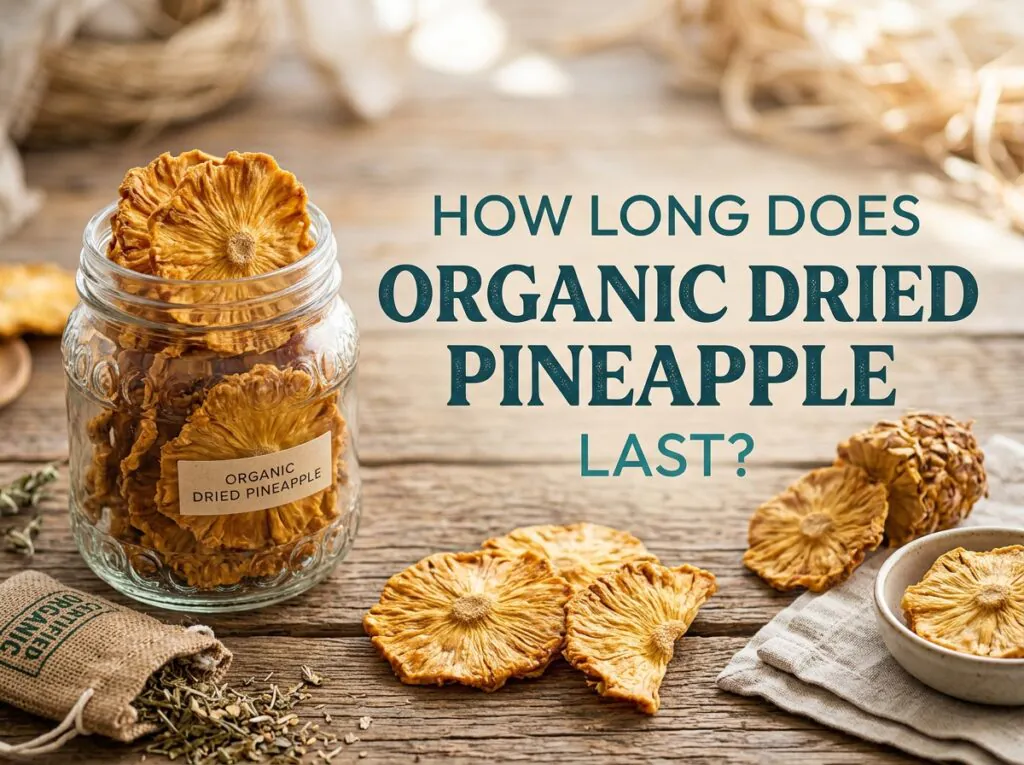
What Is the Average Shelf Life of Organic Dried Pineapple?
The lifespan of organic dried pineapple depends primarily on how it is packaged, where it is stored, and whether the container has been opened. Because water activity is significantly reduced during dehydration, bacteria and mold cannot easily grow, making dried fruit naturally shelf-stable.
Here is a general breakdown of storage longevity for unopened organic dried pineapple:
-
Pantry Storage (Room Temperature): 6 to 12 months
-
Refrigerated Storage: 12 to 18 months
-
Freezer Storage: 18 to 24+ months
Once you open a bag, exposure to ambient air and humidity begins to affect texture and freshness. An opened bag kept in a standard pantry typically stays at peak quality for 1 to 3 months, unless stored in an airtight container to seal out moisture.
Key Factors That Impact Shelf Life
Organic dried pineapple is a raw, minimally processed food. Without chemical additive buffers, four main environmental factors dictate how long your dried fruit will remain fresh:
1. Moisture and Humidity
Moisture is the single biggest threat to dried fruit. High ambient humidity rehydrates the surface of the fruit, creating an environment where airborne mold spores and wild yeast can thrive. Always store your dried pineapple in a completely dry place.
2. Oxygen Exposure
Oxygen causes natural oxidation in organic foods. Over time, exposure to air causes the fruit’s natural sugars to darken and the bright golden color to turn a deeper amber brown. While slight darkening is normal for organic produce, excess oxygen degrades the natural aroma and causes the fruit to lose its supple texture.
3. Temperature Fluctuation
Heat accelerates chemical reactions and speeds up flavor degradation. Keeping dried pineapple near a stove, oven, or direct sunlight will cause the natural fruit sugars to break down faster, leading to a dull or stale taste.
4. Packaging Integrity
Original sealed packaging—especially heavy-duty, food-grade vacuum pouches or foil-lined bags—keeps air, light, and humidity completely out. Once broken, the fruit must be transferred into a sealed container to preserve its remaining shelf life.
Best Ways to Store Organic Dried Pineapple
To maximize the freshness and shelf life of your supply, follow these practical storage guidelines based on your usage speed:
For Daily or Weekly Use (Pantry)
If you eat dried pineapple regularly, store it in an airtight glass jar or heavy-duty Ziploc bag. Place the container inside a cool, dark cupboard or pantry away from heat-generating appliances. Ensure the lid or seal is locked tight after every use.
For Medium-Term Storage (Refrigeration)
If you live in a warm or humid climate, storing opened or unopened packages in the refrigerator is ideal. The cool, controlled environment drastically slows oxidation and prevents the fruit from becoming overly sticky or dry. Glass mason jars work exceptionally well in the fridge.
For Long-Term Storage (Freezing)
Freezing organic dried pineapple is the best way to extend its shelf life past a year without compromising flavor.
-
Divide the fruit into portion-sized freezer bags.
-
Press out as much air as possible before sealing (or use a vacuum sealer).
-
Label with the date and freeze.
When you are ready to use the fruit, allow it to thaw at room temperature inside the sealed bag to prevent condensation from forming directly on the fruit.
Signs That Organic Dried Pineapple Has Gone Bad
While dried pineapple rarely spoils quickly under decent storage conditions, it can eventually degrade. Watch for these clear indicators that it is time to discard your batch:
-
Visible Mold: Any white, green, or fuzzy patches mean moisture entered the container. Discard the entire batch immediately.
-
Sour or Off Odor: Fresh dried pineapple should smell sweet and fruity. A sour, fermented, or chemical smell indicates yeast activity or fermentation.
-
Extremely Hard or Tough Texture: If the pineapple becomes rock-hard and impossible to chew, it has lost all its natural residual moisture. While not unsafe, it is no longer enjoyable to eat out of hand (though it can be plumped in warm water for baking).
-
Slime or Excessive Stickiness: A wet, slimy film on the fruit surface means humidity has compromised the batch.
Quality Wholesale Sourcing with Sahara Food EU
Starting with fresh, expertly dried fruit is the first step toward a long shelf life. Premium organic pineapple processed at optimal moisture levels stores better and tastes fresher for longer.
At Sahara Food EU, we supply European businesses, distributors, and bakeries with high-grade organic dried fruits free from added sugars, dyes, or synthetic preservatives. Explore our wholesale catalog to source pure, long-lasting organic ingredients for your kitchen or retail store.