
Learning how to choose the best organic coconut products is essential for any business or chef looking to maintain the highest quality and purity in their culinary creations. With the global market flooded with various grades of processing, understanding what happens behind the label ensures you get maximum nutritional value and optimal flavor.
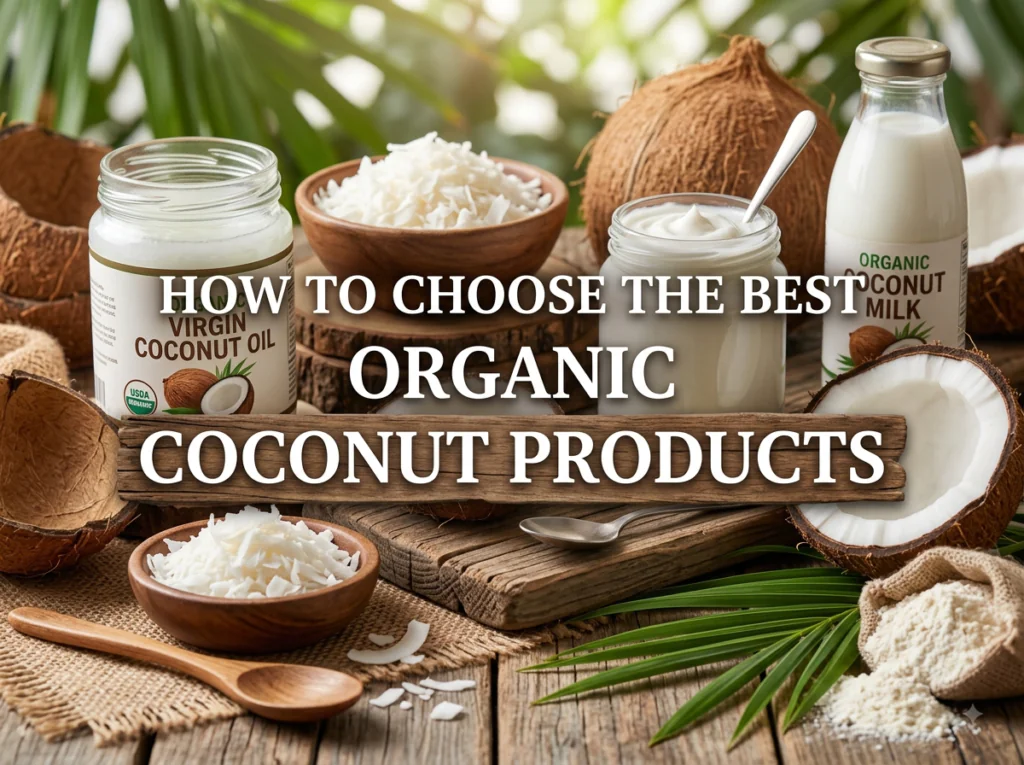
When purchasing ingredients for commercial manufacturing or retail distribution, the smartest logistical choice is to buy wholesale Organic Coconut in bulk from a verified supplier like Sahara Food EU. This strategy not only guarantees that your kitchen works with a chemical-free supply chain but also ensures consistent texture and flavor across your entire product line.
1. Look for Certified Organic Seals
The absolute first step in choosing a premium coconut product is identifying the official organic certification logo. For businesses operating within the European Union, this means checking for the EU Organic Leaf logo.
Conventional coconuts are often grown using synthetic fertilizers and chemical pest controls. Furthermore, during manufacturing, conventional dried coconut meat is frequently treated with sulfur dioxide to preserve its bright white color artificially. Certified organic coconut guarantees that the fruit was grown sustainably without toxic chemicals and processed entirely without synthetic bleaching agents or chemical preservatives.
2. Decode the Ingredient List: Avoid Hidden Additives
A true premium organic coconut product should contain minimal, identifiable ingredients. When evaluating suppliers, pay close attention to the following categories:
-
Desiccated & Flaked Coconut: The ingredient label should ideally read exactly one thing: “Organic Coconut.” Avoid brands that sneak in added sugars, corn starch, or propylene glycol (used to retain moisture in conventional retail brands).
-
Organic Coconut Milk & Cream: Look for products that list organic coconut extract and water. While some natural stabilizers like guar gum are common and acceptable in organic formulations to prevent separation, avoid products containing synthetic emulsifiers or artificial thickeners.
-
Organic Coconut Sugar: Ensure it is 100% pure coconut palm sugar. Low-grade options are sometimes blended with cane sugar or maltodextrin to reduce production costs.
3. Understand Processing Methods: Cold-Pressed vs. Refined
How the coconut oil or cream is extracted drastically alters its health benefits and performance in the kitchen.
-
Virgin / Extra Virgin (Cold-Pressed): This method uses mechanical pressing without exposing the coconut meat to high heat or chemicals. It preserves the natural, distinct tropical aroma of the coconut, alongside its delicate antioxidants and vitamin E content. This is ideal for raw baking, cosmetic applications, or dishes where a distinct coconut flavor is desired.
-
RBD (Refined, Bleached, Deodorized): While certified organic RBD oil is processed without toxic chemicals, the heat and filtration process removes the characteristic smell and flavor. This is the best choice if you need a neutral, high-smoke-point oil for frying or baking where you do not want a coconut aroma.
4. Evaluate Moisture Levels and Granulation Sizes
Depending on your specific application, selecting the correct physical specification of dried or desiccated coconut is critical for recipe success:
-
Fine Grade Desiccated: This finely ground, snowy option is perfect for blending into cake batters, rolling truffles, or formulating smooth energy balls where massive chunks would disrupt the mouthfeel.
-
Medium Grade Desiccated: Slightly larger and more granular, this is excellent for biscuit manufacturing, filling macaroons, or adding structural chew to bread doughs.
-
Flakes and Chips: These larger, sliced formats are optimal for roasting. They provide a beautiful visual element and an excellent crunch when used on top of granola bowls, artisan pastries, or retail trail mixes.
5. Check Sustainability and Ethical Sourcing Practices
Coconuts are a tropical crop harvested primarily in developing regions. True quality goes beyond the physical asset; it encompasses how the crop was managed and harvested.
Top-tier suppliers work transparently with fair-trade certified farms. This ensures that the farming communities receive equitable compensation, agricultural workers operate in safe environments, and the local ecosystem is protected against aggressive deforestation. Choosing a supplier that values traceability provides a powerful story for your own consumers, who increasingly demand ethical accountability from food brands.
6. Storage and Packaging Standards
Because organic coconut contains high levels of healthy, unhydrogenated plant fats, it can be sensitive to environmental factors like heat, light, and humidity.
When buying in bulk, always ensure your supplier utilizes food-grade, high-barrier packaging. For dried products, heavy-duty multi-wall paper bags with plastic liners or vacuum-sealed foil barriers are necessary to prevent premature oxidation and spoilage. Once it arrives at your facility, store your coconut products in cool, dry, and dark environments to maintain their rich, buttery flavor for up to a year.
Conclusion
Selecting the highest quality ingredients requires looking past standard marketing terms and focusing strictly on certifications, pure ingredient lists, and proper processing methods. By prioritizing certified organic, minimally processed options, you ensure your food products deliver authentic taste and clean nutrition to your customers.
Sahara Food EU is dedicated to sourcing and supplying elite-grade organic coconut products that meet strict European standards, ensuring your business stays stocked with pristine, reliable ingredients.