
Learning how to choose the best organic dried mango is the secret to finding a high-quality tropical snack that is genuinely healthy, naturally flavorful, and free from unnecessary chemicals. With countless options lining retail shelves, knowing what to look for and what to avoid ensures you get a premium product every time.
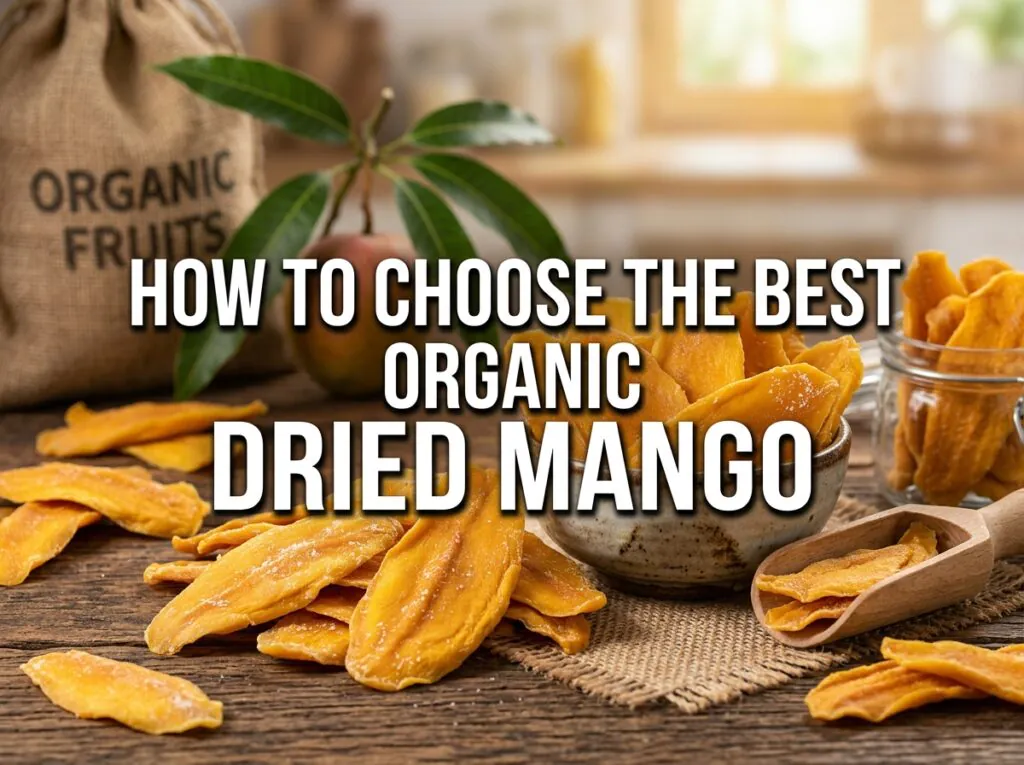
When sourcing ingredients for retail chains, healthy snack brands, or commercial food production across Europe, the smartest choice is to buy wholesale Organic Dried Mango in bulk from a trusted supplier like Sahara Food EU. Opting for certified organic dried mango guarantees that you are receiving a clean-label ingredient that undergoes zero sulfur treatment, chemical processing, or artificial sweetening, preserving the true, natural integrity of the fruit.
1. Inspect the Color: The Sulfur Dioxide Test
One of the easiest ways to judge the quality of dried mango is simply by looking at its color.
-
Bright Orange or Yellow (Conventional): If a dried mango slice looks bright orange, vibrant yellow, or almost translucent, it has likely been treated with sulfur dioxide (E220). Conventional manufacturers use this chemical preservative to stop the fruit from oxidizing and turning brown, extending its shelf life artificially.
-
Deep Brown, Dark Amber, or Matte Orange (Organic): True organic dried mango is dried naturally without any preservatives. Because it is exposed to air during the drying process, the natural sugars caramelize, and the fruit darkens. This dark, rich color is the hallmark of a clean, chemical-free product.
Avoiding sulfites is not just about eating clean; it is also a major health consideration. Sulfites are a common allergen and can trigger respiratory issues, headaches, and digestive discomfort in sensitive individuals.
2. Read the Ingredient List: Watch Out for Added Sugars
A premium dried mango should contain exactly one ingredient: organic mango.
Many conventional brands coat their dried mango slices in refined white sugar, cane sugar, or fruit juice concentrates to mask the flavor of sub-par, underripe fruit. This turns a nutrient-dense, vitamin-rich snack into a high-calorie confectionary product.
Naturally grown organic mangoes are harvested at their peak ripeness when their natural brix (sugar) levels are at their highest. When dried, these natural sugars concentrate beautifully, providing an intensely sweet, tropical flavor without any need for added sweeteners. Always check the nutrition panel to make sure there are “0g of Added Sugars.”
3. Assess the Texture and Moisture Level
The texture of a dried mango slice tells you a lot about how it was processed and stored.
-
Leathery and Pliable: The perfect organic dried mango should be chewy, slightly bendable, and naturally jammy. It should not break or snap like a chip, nor should it feel unpleasantly sticky or wet to the touch.
-
Overly Dry and Brittle: If the mango is rock-hard or brittle, it has been over-dehydrated or stored poorly. This strips the fruit of its natural oils and flavors, leaving you with a tough, flavorless product.
-
Excessively Soft or Mushy: This often indicates too much residual moisture, which raises the water activity level of the fruit and increases the risk of mold growth if the product is not consumed quickly.
4. Determine the Mango Variety
Just like apples or wine grapes, different mango varieties offer vastly different flavor profiles and textures. When choosing your dried mango, look for these popular, high-quality varieties:
| Variety | Flavor Profile | Best Used For |
| Brooks | Balanced sweet-tart flavor, robust and fruity | Everyday snacking, trail mixes, and baking |
| Amelie | Deeply aromatic with a pleasant tanginess | Premium snacking and pairing with dark chocolates |
| Kent / Keitt | Extremely sweet, rich, and virtually fiberless | High-end retail packaging and gourmet fruit platters |
Choosing a variety with low fiber content ensures that the dried slices are smooth and melt-in-the-mouth, rather than stringy and tough to chew.
5. Prioritize Organic and BRC Certifications
To ensure you are getting a product that complies with strict European food safety standards, look for reliable certifications.
An Organic Certification ensures that the mangoes were grown without synthetic pesticides, chemical fertilizers, or genetically modified organisms (GMOs). This protects your health while promoting sustainable agricultural practices that preserve soil health and biodiversity in tropical farming regions.
For wholesale buyers, a BRC (British Retail Consortium) Certification is equally crucial. It guarantees that the processing facility adheres to rigorous international food safety and quality management systems, ensuring that your bulk shipment is consistent, clean, and free of physical contaminants.
Conclusion
Choosing the best organic dried mango comes down to trusting your senses and reading the label. By prioritizing a rich, dark amber color, a single-ingredient list, a chewy texture, and certified organic sourcing, you can enjoy a delicious, nutrient-dense snack that tastes exactly as nature intended.
At Sahara Food EU, we specialize in sourcing and distributing premium-grade, certified organic dried fruits that meet the highest standards of quality and purity. Let us supply your business with clean ingredients that your customers will love and trust.