
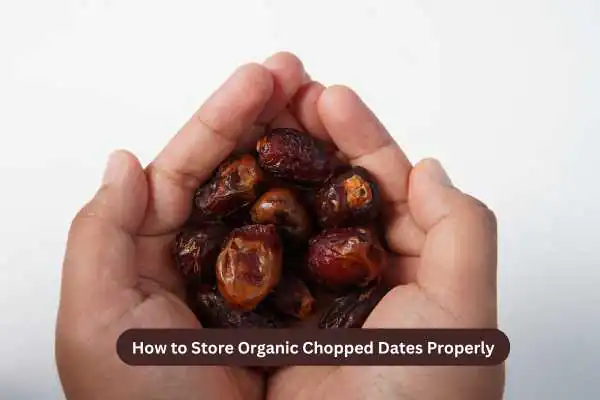
Learning how to store organic chopped dates properly is essential for maintaining their moisture, preventing crystallization, and ensuring they remain a versatile ingredient in your pantry. Because chopped dates have a higher surface area exposed to the air compared to whole fruit, they are more susceptible to drying out or absorbing unwanted odors if not handled with care.
At Sahara Food EU, we understand that quality begins with the harvest but ends with how you manage your stock at home or in a professional kitchen. When you buy wholesale organic chopped dates, you are receiving a premium, additive-free product that requires specific storage conditions to preserve its natural caramel-like flavor and chewy texture over the long term.
The Science of Date Storage: Why Environment Matters
Dates are naturally high in sugar and low in moisture, which gives them an impressive shelf life compared to other fruits. However, “chopped” dates are unique. The slicing process breaks the protective outer skin, exposing the sticky interior. Without proper storage, two things typically happen:
-
Moisture Loss: The fruit becomes hard, brittle, and difficult to use in baking or smoothies.
-
Sugar Crystallization: This is often mistaken for mold. It occurs when moisture migrates to the surface, dissolves some of the fruit’s natural sugar, and then evaporates, leaving behind white, crunchy sugar crystals. While still safe to eat, the texture is compromised.
To avoid these issues, you must control three variables: Temperature, Air Exposure, and Light.
Step-by-Step: Storing Your Chopped Dates
1. Choose the Right Container
The original packaging is often fine for transport, but once opened, it rarely provides a truly airtight seal. For chopped dates, glass jars with rubber seals or high-quality BPA-free plastic containers are superior.
-
Avoid: Thin plastic bags or open bowls. These allow the dates to pick up the “scent” of other items in your pantry, such as onions or spices.
-
The “Headspace” Rule: Choose a container that is just large enough for your dates. Excessive air trapped inside the jar will lead to faster oxidation.
2. The Cool, Dark Pantry (Short-Term: 1–3 Months)
If you use your dates frequently for morning porridges or baking, a cool pantry is sufficient. Keep the container away from the stove, dishwasher, or any other heat-generating appliances. Heat causes the natural oils and sugars in the dates to break down, which can lead to a fermented smell over time.
3. Refrigeration (Medium-Term: 6–12 Months)
For bulk purchases or slower consumption, the refrigerator is your best friend. The cold temperature significantly slows down the migration of sugar and keeps the fruit “jammy.”
Expert Tip: If your dates have been rolled in rice flour (a common organic method to prevent sticking), refrigeration helps keep that coating dry and effective, preventing the pieces from clumping into a single block.
4. Freezing (Long-Term: Up to 18 Months)
Many people are surprised to learn that dates freeze beautifully. Because of their high sugar content, they don’t actually freeze “solid.” You can usually take a handful out of the freezer and use them almost immediately.
-
Double Bagging: If freezing, use a heavy-duty freezer bag and squeeze out as much air as possible before placing it inside a second container. This prevents freezer burn and ensures the dates don’t absorb that “freezer taste.”
Reviving Dry or Crystallized Dates
Even with the best intentions, sometimes a jar gets pushed to the back of the shelf. If you find your organic chopped dates have become hard or developed a white sugary coating, do not throw them away.
-
For Crystallization: A very quick steam or a 10-second pulse in the microwave with a damp paper towel will redissolve the sugar back into the fruit.
-
For Hardness: Soak the chopped pieces in warm water or fruit juice for 10 minutes before adding them to your recipe. This rehydrates the fibers and restores the chewiness.
Why Organic Standards Change the Storage Game
Conventional chopped dates are often treated with sulfur dioxide or potassium sorbate to artificially extend shelf life and prevent mold. Organic dates, like those provided by Sahara Food EU, rely entirely on their natural chemistry.
Because our dates are free from these synthetic preservatives, they are a “living” food. They are more sensitive to fluctuations in humidity. This is why airtight storage isn’t just a suggestion—it’s a requirement for maintaining the organic integrity and the complex flavor profile that makes these dates so sought after in the European market.
Inventory Management for Businesses
If you are a bakery, cafe, or health food retailer using our wholesale services, remember the “First In, First Out” (FIFO) method. While dates are hardy, the freshest stock will always provide the best “lift” and moisture in gluten-free or vegan recipes where the date serves as a structural binder.
By following these storage protocols, you ensure that every gram of fruit you purchase retains its nutritional value—including high levels of potassium, magnesium, and fiber—right up until the moment it is consumed.
Summary Checklist for Perfect Storage
| Method | Duration | Best For |
| Airtight Jar / Pantry | 3 Months | Daily snacking and topping |
| Refrigeration | 12 Months | Preserving moisture and preventing “clumping” |
| Freezing | 18+ Months | Bulk storage and long-term supply |
Proper storage is the final step in the journey from the palm grove to your table. Treat your organic chopped dates with the care they deserve, and they will remain a delicious, healthy staple in your kitchen for months to come.