
Learning how to store organic dried apricots properly is the key to maintaining their vibrant flavor, chewy texture, and exceptional nutritional profile over time. Unlike conventional dried fruits that rely heavily on chemical preservatives like sulfur dioxide to artificially extend shelf life, pure organic apricots require specific storage practices to prevent them from spoiling or drying out.
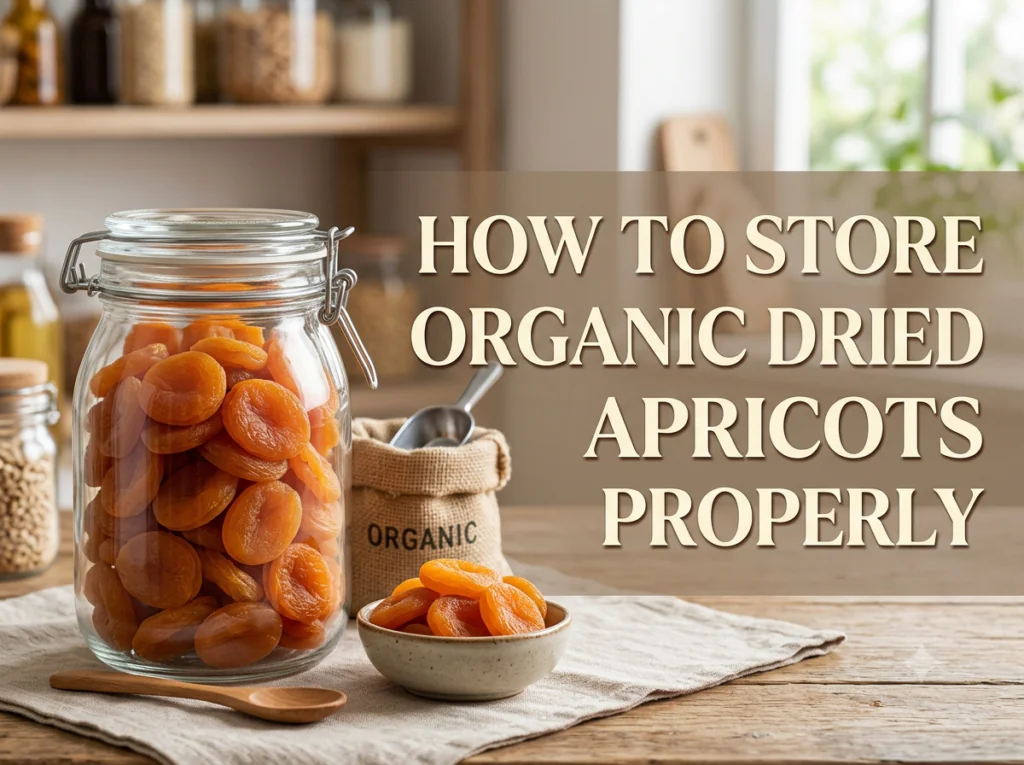
When you buy wholesale Organic Dried Apricots in bulk from Sahara Food EU, you are receiving a premium, minimally processed product that deserves the right environment to flourish. Whether you are an artisan baker, a food retailer, or a health-conscious consumer stocking up your pantry, implementing correct preservation methods ensures that every single apricot retains its natural sweetness and moisture for months to come.
The Core Enemies of Organic Dried Apricots
Before diving into storage methods, it is essential to understand what causes organic dried fruits to degrade. Because organic apricots lack synthetic sulfites—which explains their deep, natural brownish-orange color rather than a bright, artificial neon orange—they are more sensitive to their surroundings.
Four primary environmental factors can cause your organic apricots to lose flavor, grow mold, or harden:
-
Moisture: Excess humidity in the air can introduce moisture back into the dried fruit, creating a breeding ground for mold and bacteria.
-
Oxygen: Continuous exposure to air oxidizes the natural oils and sugars within the fruit, leading to a stale flavor and a tougher texture.
-
Heat: High ambient temperatures accelerate the breakdown of nutrients and cause the natural sugars to seep out, making the fruit unpleasantly sticky.
-
Light: Direct sunlight or harsh pantry lighting fades the natural pigments of the fruit and degrades its vitamin content.
Step-by-Step Guide to Pantry Storage (Short-Term)
If you plan to consume or use your organic dried apricots within 1 to 4 months, keeping them in a cool, dark pantry or kitchen cupboard is completely acceptable, provided you follow a few strict rules.
Choose the Right Container
Never leave your apricots in the original opened plastic bag or paper sack. These materials are rarely airtight and will allow ambient humidity to seep in. Instead, transfer the apricots to a clean, heavy-duty glass jar with a rubber seal (like a mason jar) or a food-grade, airtight plastic container with a locking lid.
Leave Minimal Headroom
When filling your container, try to choose a size that matches the volume of your apricots. If you place a small handful of apricots into a massive gallon jar, the large amount of trapped oxygen inside will cause the fruit to dry out faster.
Location Matters
Store your airtight container in the coolest part of your kitchen or pantry. Keep it away from heat-generating appliances like ovens, stovetops, refrigerators, and dishwashers. A dark shelf inside an enclosed pantry closet is always ideal.
Long-Term Preservation: Refrigeration and Freezing
For bulk buyers or businesses looking to preserve their stock for 6 to 12 months or longer, low-temperature storage is the absolute best approach. Cold temperatures stall the natural degradation process without altering the fruit’s composition.
Refrigeration (Best for 6-9 Months)
The refrigerator provides a highly stable, cool environment that prevents sugar crystallization and keeps the apricots perfectly “jammy.”
-
The Process: Ensure the apricots are sealed in a completely moisture-tight container or a high-quality silicone bag.
-
The Precaution: Refrigerators are surprisingly humid environments. If your container isn’t completely airtight, the apricots will absorb odors from neighboring foods and take on excess moisture.
Freezing (Best for 1 Year+)
If you have purchased a massive volume and want to store it indefinitely, the freezer is your ultimate tool. Organic dried apricots freeze exceptionally well due to their low water content, meaning they won’t freeze into a solid, unmanageable block.
-
The Process: Divide your wholesale apricots into smaller, recipe-sized portions. Place them into heavy-duty freezer bags, press out every bit of excess air before sealing, and lay them flat.
-
The Thawing Rule: When you are ready to use them, remove only the portion you need and let it come to room temperature on the counter while still inside the sealed bag. This prevents condensation from forming directly on the cold fruit.
The Crucial Step for Bulk Buyers: “Conditioning” Your Apricots
When you purchase organic dried apricots in bulk, the moisture content can vary slightly from the top of the batch to the bottom. Before locking them away for long-term storage, it is wise to “condition” them.
To do this, fill your glass storage jars about two-thirds full, seal them tightly, and leave them on your counter for 4 to 5 days. Shake the jars once a day. This process allows the internal moisture to redistribute evenly among all the pieces of fruit.
If you notice any condensation forming on the inside walls of the glass during these few days, it means the fruit is still slightly too damp for safe pantry storage. In this case, you should either consume them quickly or move them directly to the refrigerator or freezer to prevent mold growth.
Signs That Your Apricots Have Gone Bad
Because organic apricots are a live, natural food product, you should always check their quality before incorporating them into your recipes. Watch out for these three telltale signs of spoilage:
-
Visible Mold: Any fuzzy white, green, or dark spots mean the fruit has been exposed to moisture and must be discarded immediately.
-
An Off Odor: Organic apricots should smell rich, deeply fruity, and slightly earthy. If they smell sour, fermented, or musty, chemical breakdown has occurred.
-
Extreme Hardness: If the apricots have turned rock-hard and are difficult to chew, they have lost their structural moisture. While not necessarily unsafe, they will need to be rehydrated in warm water or juice before they can be used in baking.
Conclusion
Investing in high-quality, chemical-free food is only half the battle; knowing how to protect that investment is what guarantees a premium culinary experience. By taking a few extra minutes to choose airtight glassware, removing excess oxygen, and utilizing your refrigerator or freezer for long-term reserves, you ensure that your organic dried apricots remain a delicious, nutrient-dense asset to your kitchen.
At Sahara Food EU, we handle our organic dried fruits with the utmost care from harvest to delivery. By implementing these simple storage strategies at home or in your commercial kitchen, you can enjoy the pure, sun-ripened flavor of the Mediterranean all year round.