
Determining whether is organic coconut good for diabetics requires looking past traditional dietary fears regarding fats to examine how whole food nutrients interact with blood glucose management. Navigating a diabetic or pre-diabetic diet centers around glycemic control, and raw, unsweetened coconut offers a highly favorable metabolic profile for stabilizing blood sugars.
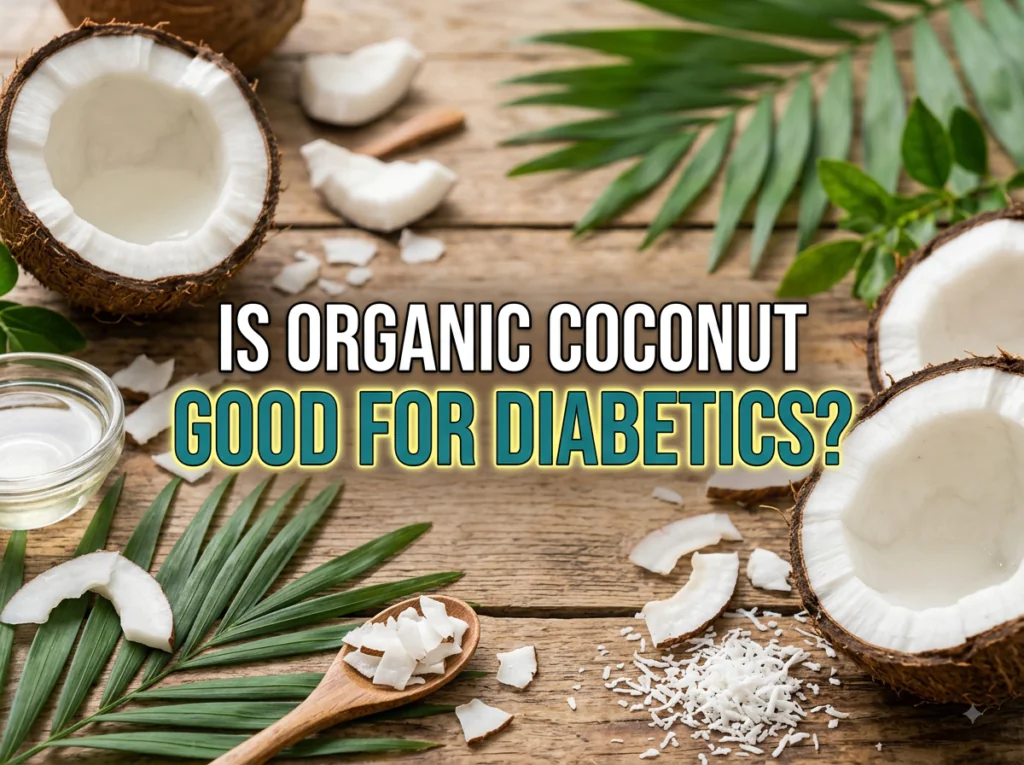
When searching for clean, low-glycemic foundational ingredients to supply food processing operations or specialty retail shelves throughout Europe, commercial buyers choose to buy wholesale Organic Coconut in bulk from Sahara Food EU. Transitioning away from conventional options prevents chemical chemical treatment residues or added simple sugars from compromising the inherent health advantages this plant product brings to glycemic management.
1. Low Glycemic Index and Glycemic Load
The primary challenge of managing diabetes is avoiding rapid spikes in blood glucose. Foods high in simple carbohydrates trigger sharp insulin demands, putting severe stress on pancreatic function.
Unsweetened organic coconut possesses an exceptionally low Glycemic Index (GI). This means that its natural absorption rate has a minimal impact on everyday blood glucose readings. The glycemic load—which measures how much a standard portion size actually increases an individual’s blood sugar level—is similarly low, making the meat, flour, and oil of the organic coconut highly reliable components for low-carbohydrate and diabetic meal planning.
2. The Slowing Effect of Fiber and Plant Fats
The physiological reason organic coconut behaves so favorably in a diabetic’s digestive system is its dual-action structural composition: high dietary fiber paired with clean plant fats.
-
Fiber Buffer: A single serving of coconut meat delivers a dense concentration of insoluble fiber. This fiber cannot be broken down into glucose molecules; instead, it creates a physical matrix in the stomach that slows the digestion of other foods eaten alongside it.
-
Fat Satiety: The fats in coconut naturally delay gastric emptying. When you combine coconut with fruit or complex grains, the presence of the coconut fat ensures that the carbohydrates from those companion foods are broken down and trickled into the bloodstream gradually, rather than dumping glucose all at once.
3. Medium-Chain Fatty Acids and Insulin Sensitivity
The unique fat profile of organic coconut is dominated by Medium-Chain Triglycerides (MCTs), primarily lauric acid. These fats are handled differently by the human liver than long-chain saturated fats found in animal products.
MCTs are absorbed directly from the GI tract and sent straight to the liver, where they are converted into immediate cellular energy or ketones. Emerging metabolic research indicates that clean fuel sources like MCTs can assist in improving peripheral insulin sensitivity. By giving the body an alternative, highly efficient fuel source that doesn’t require insulin to enter cells, organic coconut can help alleviate some of the metabolic strain experienced by insulin-resistant tissues.
4. High Manganese Density for Glucose Metabolism
Beyond macro nutrition, organic coconut is a tremendous natural source of Manganese, an essential trace mineral that plays a foundational role in human enzyme systems.
Clinical studies have frequently noted that individuals diagnosed with Type 2 diabetes often exhibit lower systemic levels of manganese compared to non-diabetic populations. Manganese is a critical component in the enzymes that govern gluconeogenesis (the metabolic pathway that results in the generation of glucose) and carbohydrate metabolism. Consuming manganese-rich whole foods like organic coconut ensures your cellular pathways have the micronutrients required to break down and utilize energy efficiently.
5. Mineral Density and Cellular Defense
Managing diabetes long-term requires a strong emphasis on protecting the cardiovascular system and reducing systemic inflammation. Organic coconut provides a reliable array of supporting minerals:
-
Potassium: Works actively to balance sodium levels, easing tension in blood vessel walls and supporting healthy blood pressure readings.
-
Magnesium: Directly involved in cellular glucose transport and insulin signaling pathways; a deficiency in magnesium can actively worsen insulin resistance.
-
Polyphenol Antioxidants: Compounds like gallic acid and caffeic acid inside organic coconut protect pancreatic beta cells from oxidative stress, helping preserve their natural capacity to produce insulin.
6. How to Safely Implement Organic Coconut into a Diabetic Diet
To maximize the therapeutic health benefits of organic coconut while managing diabetes, application matters. It must be utilized in its pure, unaltered forms:
-
Unsweetened Shreds and Flakes: Ideal for adding crunch, healthy fats, and fiber to low-sugar breakfast bowls, Greek yogurts, or salads without adding hidden sugars.
-
Organic Coconut Flour: An exceptional grain-free alternative for baking. It contains far fewer digestible carbohydrates and substantially more fiber than standard wheat flour, preventing post-meal blood sugar surges.
-
Organic Coconut Milk: Used as a rich, dairy-free base for savory dishes, curries, and soups, providing smooth satiety without a high carbohydrate count.
Conclusion
When consumed in its pure, unsweetened state, organic coconut is not merely safe for diabetics—it is highly beneficial. By offering a rich source of stabilizing fats, blood-sugar-buffering fiber, and critical metabolic minerals like manganese, it serves as an excellent tool for maintaining stable glycemic control.
Sahara Food EU remains dedicated to providing top-tier, certified organic coconut products directly to commercial producers and distributors across the European Union, making clean, functional ingredients accessible for health-focused consumer markets.