
Determining is organic coconut keto friendly is an essential step for anyone looking to maintain a state of deep, fat-burning ketosis without sacrificing culinary flavor or variety. Because the ketogenic diet demands a strict macronutrient ratio heavily shifted toward high-quality fats and minimal carbohydrates, finding whole foods that satisfy these parameters naturally can be a challenge.
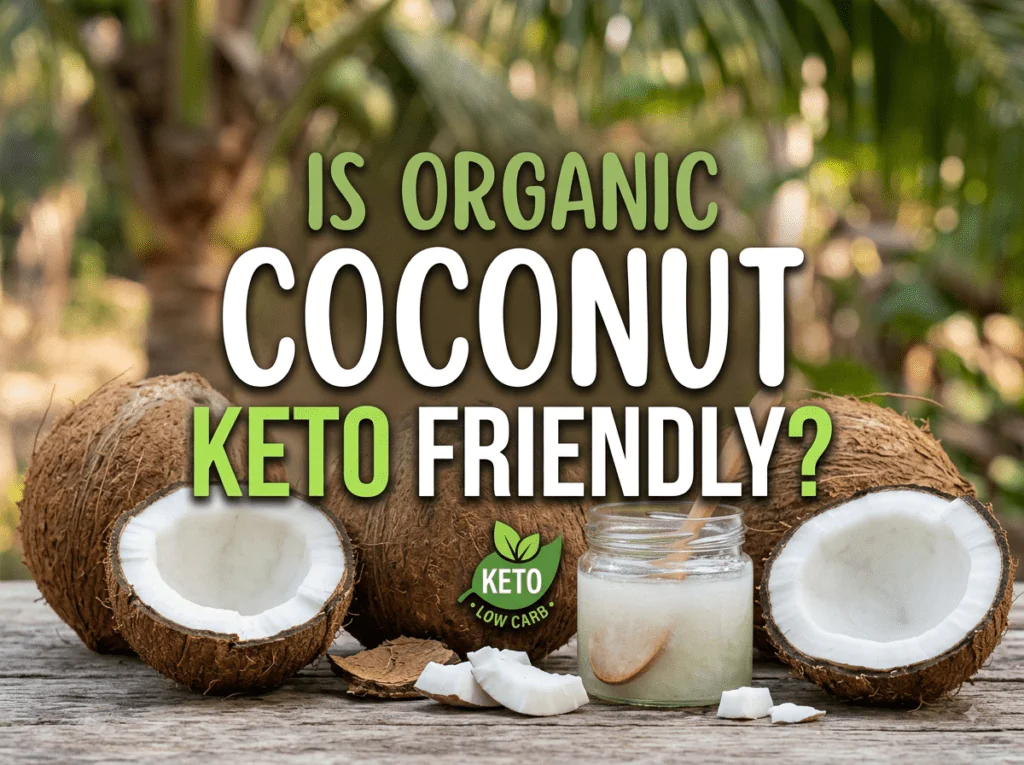
When food brands, bakeries, and health-focused manufacturers across Europe formulate low-carb or ketogenic product lines, they routinely choose to wholesale Organic Coconut in bulk from Sahara Food EU. Transitioning to unrefined, certified organic coconut ensures that your ingredients are completely free from hidden sugars, synthetic chemical bleaches, and sulfites—leaving you with a pure, high-fat, ultra-low-carb superfood that seamlessly fits the keto lifestyle.
1. The Low Net Carb Calculation
To understand why organic coconut is an absolute staple of the ketogenic diet, you have to look directly at the math behind net carbohydrates (Total Carbs minus Dietary Fiber). The human body cannot digest structural plant fiber into glucose, meaning fiber does not impact your blood sugar or knock you out of ketosis.
A standard 100-gram portion of fresh, unsweetened organic coconut meat typically yields:
-
Total Carbohydrates: Around 15 grams
-
Dietary Fiber: Roughly 9 grams
-
Net Carbohydrates: Only 6 grams
With less than 6 grams of net impact carbohydrates per substantial serving, organic coconut ranks among the safest, lowest-glycemic plant foods available. It allows individuals on a strict daily limit of 20 to 50 grams of carbs to enjoy rich, satisfying textures without risk.
2. The Power of Medium-Chain Triglycerides (MCTs)
Coconut isn’t just “allowed” on keto; it actively accelerates the benefits of a ketogenic diet because of its high concentration of Medium-Chain Triglycerides (MCTs).
Unlike standard long-chain fats found in meats or cheeses, MCTs are rapidly absorbed by the digestive tract and sent straight to the liver. Here, the body immediately converts them into ketones—the primary alternative fuel source used by your brain and muscles when glucose is absent. Consuming organic coconut fat provides an instant bump in circulating ketones, which directly helps mitigate the symptoms of the transitional “keto flu” and sustains mental clarity throughout the day.
3. High Healthy Fat Content for Satiety
The most common point of failure on a low-carb diet is hunger caused by inadequate fat intake. If you cut out carbohydrates but fail to replace those calories with healthy lipids, your energy crashes and cravings skyrocket.
Organic coconut meat is comprised of roughly 33% pure plant-based fats by weight. These fats slow down the emptying of your stomach, signaling to your brain that you are full and satisfied. This long-lasting satiety makes it drastically easier to maintain a caloric deficit or stick to intermittent fasting windows without experiencing persistent energy dips.
4. Mineral Rebalancing: Combatting Keto Electrolyte Loss
When you transition into ketosis, your body naturally drops its insulin levels, causing the kidneys to rapidly flush out excess water and critical minerals. This process can quickly lead to cramping, headaches, and fatigue if electrolytes are not actively replenished.
Organic coconut serves as an excellent, whole-food source of these essential minerals:
-
Potassium: Eases muscle tension and maintains healthy fluid balance.
-
Magnesium: Supports deep sleep, neurological function, and muscle recovery.
-
Manganese: Aids in proper fat and protein metabolism, helping your body utilize the high-fat intake efficiently.
5. Navigating Different Organic Coconut Forms on Keto
While raw coconut meat is perfectly low-carb, the various forms of processed coconut require a bit of scrutiny to ensure they remain keto-compliant.
-
Organic Coconut Flour: This is simply dried, defatted coconut meat ground into a fine powder. It is incredibly absorbent and packed with fiber. Because it behaves differently than grain flours, a little goes a long way in keto baking, keeping the overall carbohydrate load of your treats remarkably low.
-
Organic Coconut Milk & Cream: Perfect for rich curries, coffee creamers, or dairy-free keto smoothies. Always select unsweetened, full-fat organic options, as “light” versions are diluted with water and offer fewer beneficial MCTs.
-
Organic Coconut Oil: Practically 100% pure fat with zero carbohydrates. It is highly heat-stable, making it the premier choice for frying, roasting, or blending directly into morning “bulletproof” coffee.
-
Organic Coconut Flakes & Shreds: Ideal for adding crunch to keto-friendly granola or grain-free trail mixes. Ensure they are certified unsweetened to prevent hidden sugars from breaking your fast.
Conclusion
The verdict is clear: organic coconut is not only keto-friendly, but it is also arguably one of the most powerful toolkits available for sustaining a successful ketogenic lifestyle. Its naturally high fat content, combined with an exceptionally low net carbohydrate profile and a rich supply of energy-boosting MCTs, makes it an indispensable ingredient for anyone serious about clean, low-carb nutrition.
At Sahara Food EU, we supply premium, uncompromised wholesale organic coconut products directly to businesses, commercial bakeries, and health brands across Europe, ensuring your low-carb creations start with the highest possible purity and flavor.