
The question of is organic date paste a healthy sugar substitute has become a central focus for health-conscious bakers and food manufacturers looking to strip away refined additives. As we move toward a “whole food” approach to nutrition, the humble date has transitioned from a simple snack to a powerful tool in the fight against processed sugar.
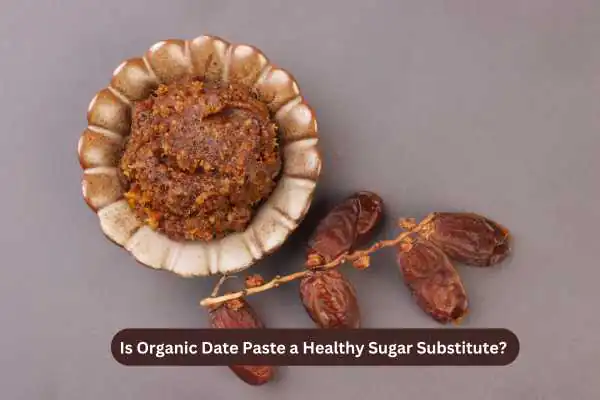
For those looking to maintain a healthy pantry or a clean-label production line, the ability to buy wholesale organic chopped dates or pre-made paste provides a foundation for nutrient-dense sweetness. Unlike synthetic sweeteners or highly processed syrups, organic date paste offers a complex nutritional profile that does far more than just satisfy a sugar craving.
The Nutritional Reality of Date Paste
To understand why date paste is superior to white sugar, we have to look at what sugar actually is. Table sugar (sucrose) is “empty calories”—it provides energy but zero vitamins, minerals, or fiber. Date paste, however, is simply whole dates that have been softened and blended. You aren’t just adding sweetness; you are adding fruit.
Fiber: The Essential Buffer
The most significant advantage of date paste is its fiber content. When you consume refined sugar, it enters your bloodstream almost instantly, causing a spike in insulin. The fiber in date paste acts as a natural brake. It slows down the absorption of sugar, providing a more stable, long-lasting energy release. This makes it an excellent choice for children’s snacks and pre-workout fuel.
A Mineral Goldmine
While you would never look to white sugar for your daily minerals, date paste is naturally rich in:
-
Potassium: Essential for heart health and fluid balance.
-
Magnesium: Helps with muscle function and stress regulation.
-
Copper and Manganese: Crucial for bone health and metabolism.
Comparing the “Sweeteners”: Date Paste vs. The Rest
When we evaluate if date paste is truly a healthy substitute, we have to measure it against the common alternatives.
| Feature | White Sugar | Agave/Honey | Organic Date Paste |
| Processing | Highly Refined | Moderate to High | Minimal (Whole Fruit) |
| Fiber Content | 0g | 0g | ~7-8g per 100g |
| Antioxidants | None | Low | High (Polyphenols) |
| Glycemic Load | High | Variable | Medium-Low |
The Antioxidant Factor
Dates are one of the highest-ranking fruits for antioxidant concentration. They are packed with flavonoids, carotenoids, and phenolic acid. These compounds help reduce inflammation and have been studied for their potential to lower the risk of chronic diseases. When you bake with date paste, you are essentially fortifying your treats with anti-inflammatory properties.
How to Use Date Paste in Your Kitchen
If you are transitioning away from sugar, date paste is incredibly forgiving. Because it has a thick, jam-like consistency, it adds moisture and structure to recipes that liquid sweeteners like maple syrup cannot.
The 1:1 Swap Rule
In most baking recipes—muffins, brownies, and cookies—you can replace granulated sugar with date paste in a 1:1 ratio. However, because date paste contains water, you may want to slightly reduce the other liquids (like milk or water) in your recipe by about 10-15%.
Savory Applications
Date paste isn’t just for desserts. It is a secret weapon in savory cooking:
-
Homemade BBQ Sauce: Use it as the base instead of brown sugar or molasses for a deep, smoky sweetness.
-
Dressings: Whisk a teaspoon into a balsamic vinaigrette to balance the acidity.
-
Marinades: Use it for glazing roasted carrots or sweet potatoes.
Why “Organic” Matters in Date Processing
When dates are processed into paste, they are often condensed. If the original fruit was treated with synthetic pesticides or chemical fertilizers, those residues can become more concentrated in the paste.
By choosing organic date paste, you ensure that the fruit was grown in harmony with the ecosystem. Organic farming avoids the use of harsh chemicals, meaning the final paste is as clean as the fruit on the tree. At Sahara Food EU, we prioritize this purity because we believe a sugar substitute is only “healthy” if it is free from modern agricultural toxins.
Addressing the Calorie Question
Is date paste a “diet” food? Not exactly. It is still calorie-dense. If your goal is purely weight loss through calorie restriction, you still need to practice portion control with date paste. However, if your goal is metabolic health, better digestion, and nutrient density, date paste wins every time.
The goal of healthy eating isn’t just to eat fewer calories, but to make every calorie count. A calorie from a date comes with fiber and potassium; a calorie from white sugar comes with nothing.
Conclusion: The Verdict
Is organic date paste a healthy sugar substitute? Yes. It is arguably the most complete whole-food sweetener available today. It preserves the integrity of the fruit, provides essential fiber, and delivers a rich, caramel-like flavor that refined sugars simply cannot replicate.
Whether you are a manufacturer looking to clean up your ingredient list or a home baker wanting the best for your family, switching to organic date paste is a meaningful step toward a more vibrant, natural diet.