
Navigating the relationship between natural sweeteners and blood sugar management requires a nuanced look at whether organic date paste is good for diabetics and how it compares to traditional sweeteners. For individuals living with diabetes, every dietary choice is a calculated decision aimed at maintaining stability while still enjoying the flavors of a wholesome diet.
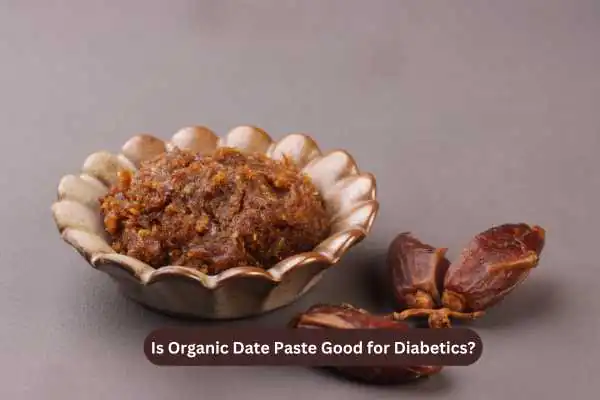
At Sahara Food EU, we understand that quality matters as much as quantity. When you choose to buy wholesale organic chopped dates or high-quality pastes, you are opting for an ingredient that retains its structural integrity and fiber content, which are the two most critical factors in determining how a food affects your glucose levels.
The Nutritional Profile of Organic Date Paste
To understand if date paste is appropriate for a diabetic diet, we must first look at what is inside the fruit. Unlike white sugar, which is a “naked” carbohydrate providing nothing but calories, date paste is a whole-food product. Even when blended into a smooth consistency, organic date paste retains the vitamins, minerals, and, most importantly, the fiber of the original fruit.
Fiber: The Natural Brake
Fiber is the most important component for anyone managing diabetes. It acts as a physical barrier in the digestive tract, slowing down the rate at which the stomach empties and the small intestine absorbs sugar.
Organic dates are particularly rich in insoluble fiber. In a paste form, this fiber remains present, helping to blunt the insulin spike that would otherwise occur if you were consuming a refined syrup or granulated sugar.
The Glycemic Index (GI) Factor
The Glycemic Index measures how quickly a food causes blood sugar to rise. Foods are generally classified as:
-
Low GI: 55 or less
-
Medium GI: 56–69
-
High GI: 70+
Most varieties of organic dates, such as Medjool or Deglet Noor, typically fall within the Low to Medium GI range (44–53). Because date paste is simply ground dates, it maintains this relatively low score. This makes it a “slow-release” fuel compared to table sugar (GI of 65) or honey (GI of 58–60).Why Organic Matters for Metabolic Health
When discussing diabetes, we often focus on carbohydrates, but systemic inflammation also plays a major role in insulin resistance. Conventional dates are often treated with synthetic pesticides and may be coated in sulfites or glucose syrups to preserve moisture and shine.
By choosing organic date paste, you ensure that you are not introducing synthetic chemicals into your body that could potentially trigger inflammatory responses. Organic dates are grown in mineral-rich soils using natural compost, which often results in a higher concentration of polyphenols. These antioxidants are vital for diabetics as they help combat the oxidative stress that often accompanies high blood sugar levels.
How to Safely Incorporate Date Paste into a Diabetic Diet
While date paste is “better” than refined sugar, it is not a “free” food. It still contains concentrated natural sugars (fructose and glucose). The key to success lies in portion control and food pairing.
1. The Rule of Pairing (Fat + Protein + Fiber)
A diabetic should rarely eat date paste in isolation. To further flatten the glucose curve, always pair date paste with a source of healthy fat or protein.
-
Example: Instead of a plain date-sweetened cookie, try a date-sweetened almond flour muffin. The fats from the almonds further slow the absorption of the sugars in the date paste.
2. Replacing Refined Sugars
Date paste is an excellent 1:1 replacement for white sugar in many recipes. Because it provides moisture as well as sweetness, it allows you to reduce the amount of butter or oil in some recipes, improving the overall heart-health profile of your baked goods—another important consideration for diabetics.
3. Pre-Workout Fuel
For diabetics who engage in regular exercise, a small amount of date paste can serve as an excellent pre-workout snack. It provides the necessary glucose for muscle contraction but releases it steadily enough to prevent a mid-exercise crash.
Comparing Date Paste to Other Sweeteners
| Sweetener | GI Score | Nutrients | Fiber |
| Organic Date Paste | 44-53 | High (Potassium, Magnesium) | Yes |
| White Sugar | 65 | None | No |
| Honey | 58-60 | Low | No |
| Agave Nectar | 15-30 | Minimal | No (Very High Fructose) |
While Agave has a lower GI, it is extremely high in fructose, which can contribute to fatty liver issues if overconsumed. Date paste offers a more balanced nutritional profile, providing the minerals your body needs to process sugar effectively.
The Role of Magnesium and Potassium
Two minerals found abundantly in organic dates—magnesium and potassium—are particularly beneficial for those with Type 2 diabetes.
-
Magnesium plays a direct role in how the body secretes and uses insulin.
-
Potassium is essential for heart health and nerve function, both of which can be compromised by long-term blood sugar imbalances.
By using date paste, you are “supplementing” your diet with these essential electrolytes while you satisfy your sweet tooth.
Conclusion: Is it Good for Diabetics?
The answer is yes, in moderation. Organic date paste is a superior alternative to refined sweeteners because it is a whole food that includes fiber and essential minerals. It allows diabetics to enjoy sweetness without the violent glucose spikes associated with processed sugars.
However, it is essential to monitor your own body’s response. Every individual with diabetes reacts differently to carbohydrates. By using Sahara Food EU’s organic date products as part of a balanced, whole-food diet, you can move away from chemical sweeteners and return to a more natural, traditional way of eating.