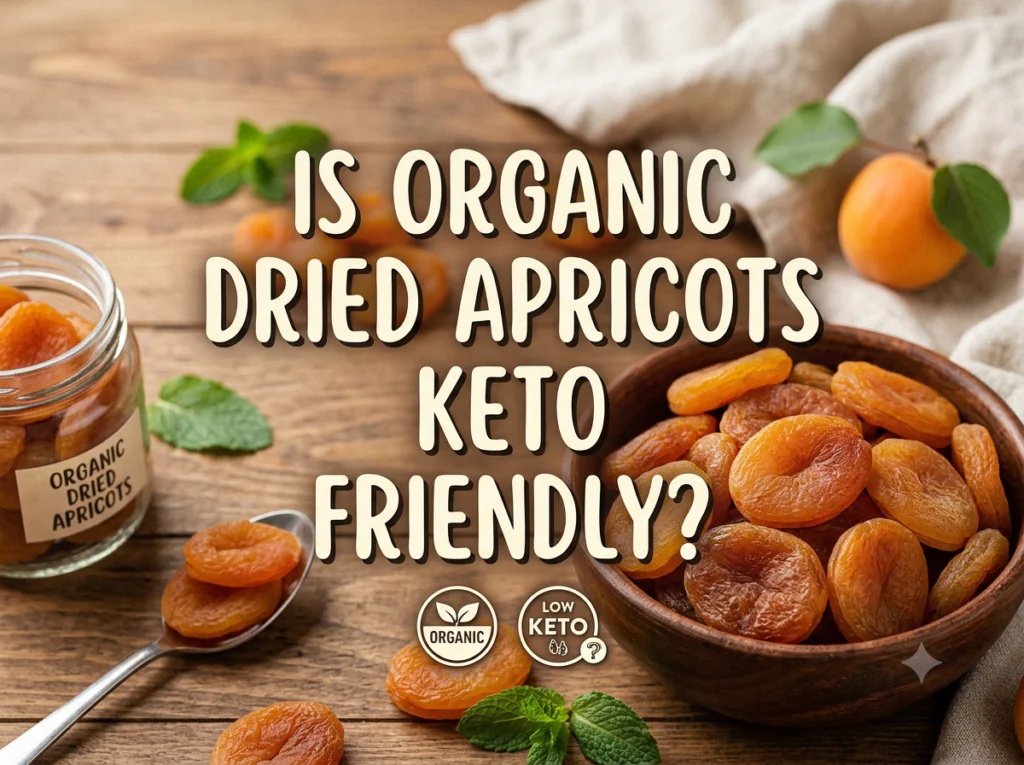
Determining whether organic dried apricots are keto friendly requires a careful look at how dehydration transforms a fruit’s nutritional profile. While fresh apricots are relatively low in sugar, the drying process evaporates water and leaves behind a highly concentrated source of carbohydrates.
For businesses and food production networks looking to scale their inventory with health-conscious options, the choice to buy wholesale Organic Dried Apricots from Sahara Food EU offers an excellent product for traditional, plant-based, or Mediterranean diets—but its alignment with a strict ketogenic lifestyle comes down to portion control.
The Nutritional Breakdown: Fresh vs. Dried Apricots
To understand why organic dried apricots occupy a tricky grey area on the keto diet, it helps to analyze what happens during dehydration.
A fresh, whole apricot contains roughly 4 grams of total carbohydrates, with nearly a gram of that being dietary fiber. This yields a net carbohydrate impact of just over 3 grams per fruit. In this natural, water-dense form, enjoying one or two fresh apricots can easily fit into a standard daily keto budget of 20 to 50 grams of net carbs.
However, once that same fruit is dried, its structural composition shifts. A typical 30-gram serving of organic dried apricots (roughly 4 to 5 halves) contains:
-
Total Carbohydrates: Approximately 20 to 24 grams
-
Dietary Fiber: Around 3 grams
-
Net Carbohydrates: 17 to 21 grams
-
Total Sugar: 16 to 18 grams (naturally occurring fructose)
When you are limiting yourself to a hard ceiling of net carbs to maintain nutritional ketosis, spending nearly your entire daily allowance on a tiny handful of dried fruit is rarely optimal.
Are Organic Dried Apricots Actually Keto Friendly?
The direct answer is no, they are not naturally keto-friendly in standard snack portions.
Because the sugars are highly concentrated, eating them by the handful will rapidly elevate blood glucose levels and stimulate an insulin response, which can quickly drop you out of a state of fat-burning ketosis.
The Exception: Micro-Dosing and Flavoring
While a full bowl of dried apricots is out of the question for a keto follower, they can still find a home in low-carb recipes through strict portion management or “micro-dosing.“
If a keto recipe calls for a single finely diced organic dried apricot distributed across a batch of 12 low-carb almond flour scones, the net carb contribution per serving becomes negligible (around 0.3 grams of net carbs per scone). In this context, they function purely as a gourmet flavor enhancer rather than a bulk ingredient.
Why the “Organic” and “Unsulfured” Distinction Matters
If you do choose to incorporate dried apricots into a low-carb lifestyle or offer them to health-focused consumers, opting for certified organic varieties is non-negotiable.
1. No Added Sugars or Glazes
Conventional dried fruits are sometimes treated with sugar syrups, juices, or glucose glazes during processing to artificially boost sweetness and plumpness. Certified organic dried apricots are processed without these hidden additives, ensuring that the carb count listed on the label stems purely from the fruit itself, with no added synthetic sugars to sabotage your macros.
2. Unsulfured vs. Sulfured Processing
Conventional dried apricots are treated with sulfur dioxide ($SO_2$) to retain their bright, unnatural orange hue. Organic dried apricots do not use chemical preservatives, which causes them to naturally oxidize to a deep brown color during sun-drying. This clean processing prevents digestive upset and allergic sensitivities commonly linked to sulfites, making them far better suited for clean eating and gut health protocols.
Creative Ways to Use Organic Dried Apricots on Low-Carb Diets
For those practicing targeted keto or cyclical low-carb protocols—where carbohydrate intake is strategically raised around intense training windows—organic dried apricots serve as an efficient, whole-food fuel source. Here is how to utilize them cleanly:
-
Keto-Friendly Trail Mix: Combine a single chopped organic dried apricot with high-fat, ultra-low-carb nuts like pecans, macadamias, and walnuts. The healthy fats and fibers from the nuts help slow down the absorption of the fructose.
-
Savory Meat Pairings: Use a very small amount of minced dried apricot to stuff roasted chicken breasts or pork tenderloins along with goat cheese and rosemary. The savory element keeps portion sizes naturally self-limiting while adding immense culinary depth.
-
Infused Teas: Steep a single piece of dried apricot in hot herbal tea. It releases a subtle, natural sweetness and stone-fruit aroma into the water without pouring a heavy payload of carbohydrates into your cup.
Conclusion
While organic dried apricots bring an incredible array of vitamins A, E, and potassium to the table, their high sugar density means they cannot be classified as a standard keto-friendly snack. They are a premium asset for whole-food, clean, and flexible low-carb diets, but must be strictly metered by anyone tracking precise ketone levels.
For retailers, food brands, and bakeries across Europe looking to cater to premium health-conscious consumers, sourcing high-grade, additive-free ingredients is vital. Explore the certified organic selections available at Sahara Food EU to discover clean, responsibly sourced options that elevate your product lines and recipe formulations.