
Evaluating organic dried pineapple vs conventional dried pineapple reveals profound differences in processing, chemical exposure, flavor purity, and overall health impact. While both varieties capture the tropical essence of fresh pineapple in a shelf-stable format, their production pathways could not be more distinct.
Whether you run an artisan bakery, manufacture health snacks, or stock clean-label grocery shelves in Europe, making an informed choice is essential. To source top-tier, chemical-free ingredients for your enterprise, you can buy wholesale organic dried pine apple directly from Sahara Food EU, ensuring your inventory delivers uncompromised quality to health-conscious consumers.
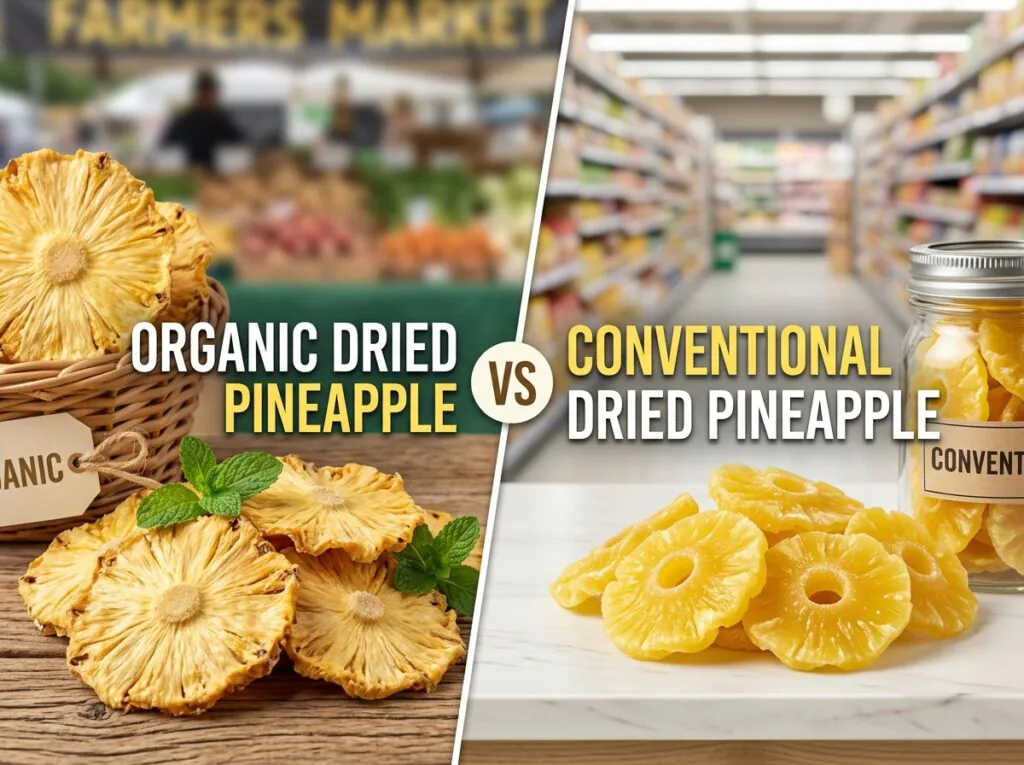
1. Farming Practices: Soil Health vs. Chemical Reliance
The divergence between organic and conventional dried pineapple starts long before the fruit reaches a drying facility.
-
Conventional Cultivation: Non-organic pineapple plantations rely heavily on synthetic pesticides, chemical fertilizers, and herbicides to maximize yield and repel pests. Because pineapples take roughly 18 to 24 months to mature, conventional crops absorb repeated chemical applications throughout their growth cycle.
-
Organic Agriculture: Certified organic pineapples are cultivated using natural soil management techniques, compost, and biological pest controls. This protects local ecosystems and groundwater near growing sites and ensures that the raw fruit remains free from synthetic pesticide residues.
2. Preservatives and Chemical Processing
The most noticeable physical and chemical differences emerge during the dehydration phase.
| Feature | Organic Dried Pineapple | Conventional Dried Pineapple |
| Preservatives | 100% Free from chemical additives | Sulfur Dioxide ($\text{SO}_2$), Sodium Metabisulfite |
| Coloring | Natural golden-brown hue | Neon bright yellow (via preservatives/dyes) |
| Added Sugar | Unsweetened (natural fruit sugars only) | Frequently steeped in refined cane sugar syrup |
| Ingredient List | Single ingredient: Organic Pineapple | Pineapple, Sugar, Citric Acid, Sulfur Dioxide |
The Sulfur Dioxide ($\text{SO}_2$) Factor
Conventional dried pineapple is almost universally treated with sulfur dioxide or sodium metabisulfite gas. Manufacturers use this chemical compound as a preservative to prevent natural browning, extend shelf life, and maintain a bright, artificially yellow appearance.
However, sulfites are known allergens. In sensitive individuals—particularly asthmatics—ingesting sulfited dried fruits can trigger respiratory distress, digestive upset, or skin irritation. Organic dried pineapple uses no chemical gas; it relies purely on controlled warm-air drying, resulting in a slightly darker, golden-brown color that signifies authentic, additive-free fruit.
3. Added Refined Sugar vs. Natural Fruit Sugars
If you examine the nutritional label on a bag of conventional dried pineapple, you will frequently find added cane sugar or high-fructose corn syrup listed as a primary ingredient.
Conventional processors often harvest pineapples before peak ripeness to streamline shipping, relying on added sugar baths during dehydration to compensate for a lack of natural sweetness. This turns a fruit product into something closer to candy, dramatically spiking the calorie and refined carbohydrate count.
In contrast, organic dried pineapple is harvested at peak ripeness when the natural fructose levels are highest. It is dried without sugar, yielding a naturally sweet, tangy snack that retains its genuine tropical flavor profile while keeping your diet free from unnecessary processed sugars.
4. Preservation of Enzymes and Micronutrients
Pineapple is famous for containing bromelain, a bioactive enzyme complex that aids protein digestion, reduces systemic inflammation, and supports immune recovery.
-
Conventional Processing: High-heat rapid dehydration combined with chemical bleaching alters the delicate enzyme structures, significantly degrading the natural bromelain content.
-
Organic Dehydration: Organic standards prioritize low-temperature drying protocols. Preserving the fruit at gentle temperatures protects heat-sensitive compounds like bromelain, Vitamin C, and natural dietary fiber.
5. Environmental and Ethical Impact
Choosing between organic and conventional also comes down to environmental responsibility. Conventional pineapple farming has faced scrutiny in tropical regions due to soil erosion, heavy runoff of agrochemicals into local rivers, and deforestation.
Organic farming guidelines enforced by EU standards strictly prohibit synthetic runoff, requiring growers to maintain soil fertility through crop rotation and organic matter. When you purchase certified organic dried pineapple, you support agricultural practices that preserve tropical biodiversity, protect farmworkers from toxic chemical exposure, and safeguard regional water tables.
The Verdict: Why Organic Comes Out Ahead
While conventional dried pineapple may catch the eye with its neon-yellow color and lower upfront price point, it compromises on what matters most: purity, nutritional value, and clean flavor.
Organic dried pineapple delivers a dense, chewy texture and a sweet, authentic tropical taste without synthetic sulfur, artificial dyes, or added sugars. It is a superior choice for baking, cereal manufacturing, snacking mixes, and clean-label retail lines.
At Sahara Food EU, we are committed to providing premium, certified organic dried fruits sourced from trusted growers. Upgrade your product offerings and supply your kitchen with clean, unadulterated bulk ingredients that meet the highest standards of quality.