
Whether you want to upgrade your morning oatmeal, bake the perfect loaf of sourdough, or stock your retail shelves, this organic raisins buying guide for beginners will help you navigate the world of premium dried grapes. Choosing the right raisin involves looking past the surface to understand varieties, processing methods, and how the fruit is grown.
When you want to source premium ingredients for your kitchen or business, it is best to buy wholesale oganic dried fruits from a trusted supplier like Sahara Food EU. Transitioning from conventional snacks to organic alternatives ensures you get pure, unadulterated flavor without the hidden chemical additives common in mainstream grocery stores.
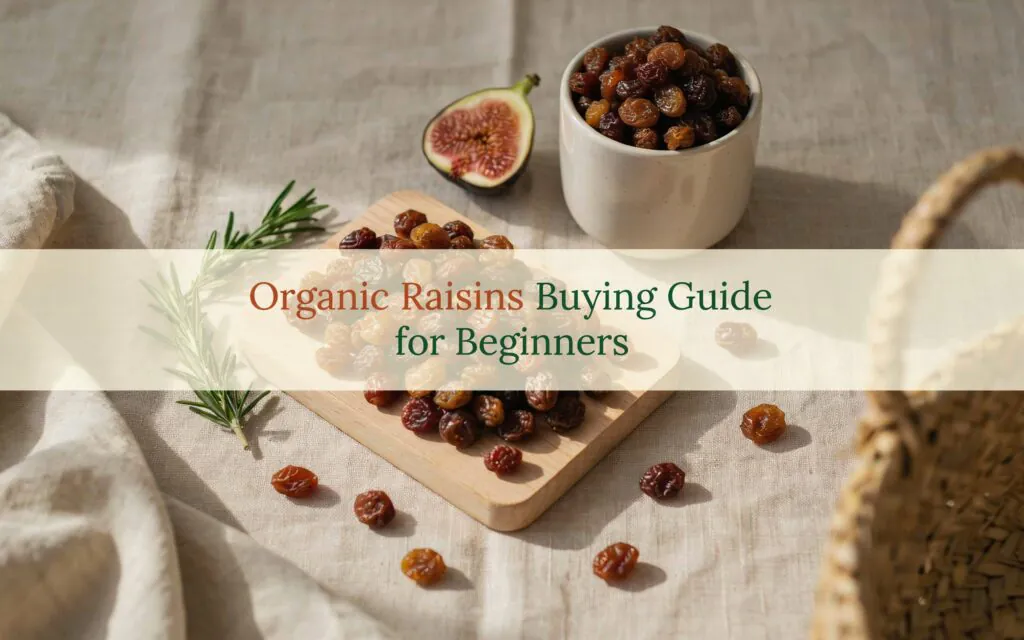
Why Choose Organic Raisins?
To the untrained eye, all raisins look relatively similar. However, the difference between a conventional raisin and an organic one is vast, particularly when it comes to chemical treatment and nutritional integrity.
The Problem with Sulfites and Pesticides
Conventional raisins are among the most heavily treated dried fruits on the market. Because grapes have thin skins, they easily absorb synthetic pesticides and herbicides used in the fields. Furthermore, conventional golden raisins are treated with sulfur dioxide ($SO_2$) to preserve their bright color and extend their shelf life. For many people, sulfites cause digestive discomfort, headaches, or allergic reactions.
The Organic Standard
Organic raisins are grown without synthetic fertilizers or chemical pesticides. They are dried naturally—often right in the sun—and are packed without chemical preservatives. When you choose organic, you taste the true, concentrated sweetness of the grape, exactly as nature intended.
Understanding Raisin Varieties
Not all raisins are created equal. Different grape varieties yield distinct flavors, textures, and culinary uses. Here are the primary types you will encounter:
1. Thompson Seedless (The Classic Dark Raisin)
This is the most common raisin found in pantries worldwide. Made from green Thompson Seedless grapes, these fruits turn a deep brown-to-black color as they sun-dry. They have a robust, classic sweet flavor and a chewy texture, making them incredibly versatile for both snacking and baking.
2. Sultanas (The Sweet & Juicy Choice)
In Europe, the term “Sultana” refers to raisins made from the same green seedless grapes but processed differently. They are often dipped in a natural vegetable oil and carbonate solution before drying, which speeds up the process and helps them retain a lighter, golden-brown hue. Sultanas tend to be juicier and sweeter than standard dark raisins.
3. Golden Raisins
True organic golden raisins are carefully managed to keep their amber color without relying on heavy sulfur dioxide gas. They offer a slightly tart, fruity flavor profile that cuts through rich dishes, making them excellent for savory rice pilafs, salads, and holiday baking.
4. Flame Raisins (The Bold Option)
Made from red seedless grapes, Flame raisins are larger, darker, and come with a distinctly rich, wine-like flavor. If you want a raisin that stands out visually and texturally in a trail mix or a chunky cookie, Flame raisins are your best option.
What to Look for When Buying: A Beginner’s Checklist
When sourcing organic raisins for the first time, keep these quality indicators in mind to ensure you get the best value and taste:
-
Moisture Content: A good raisin should be plump and pliable, not rock-hard. If the raisins are overly dry, they will absorb too much liquid from your baking batters, leaving your cakes dry.
-
Uniform Color: While organic fruits naturally have slight variations, a completely uneven batch might indicate poor storage or mixed harvests.
-
Ingredients List: Check the back of the pack. A truly high-quality organic raisin label should list just one ingredient: Organic Raisins. Sometimes, a tiny amount of organic sunflower oil is added to prevent them from clumping together, which is perfectly acceptable.
-
Certifications: Look for clear organic certification labels on the packaging to verify that the product complies with European organic farming standards.
Proper Storage Tips
Because organic raisins do not contain synthetic preservatives, storing them correctly is essential to preserve their freshness:
-
Airproof Containers: Once opened, transfer your raisins to an airtight glass jar or container. This keeps them from drying out and absorbing stray odors from your pantry.
-
Cool and Dark: Store the container in a cool, dark cupboard away from the stove or direct sunlight.
-
Refrigeration for Longevity: If you buy in bulk, keeping your raisins in the refrigerator can extend their shelf life up to a year, maintaining their soft, jammy texture.
How to Enjoy Organic Raisins
Raisins are incredibly versatile and go far beyond a simple lunchbox snack. Here are a few ways to utilize them:
-
Plumping for Baking: Before adding raisins to muffins or breads, soak them in hot water or fruit juice for 10 minutes, then pat them dry. This makes them incredibly juicy and prevents them from burning in the oven.
-
Savory Pairings: Toss a handful of golden raisins into Moroccan tagines, curries, or roasted cauliflower dishes to balance earthy spices with a touch of natural sweetness.
-
Homemade Granola: Mix them with organic oats, nuts, and seeds, toasted with a drizzle of honey for a clean, nutrient-dense breakfast.
Conclusion
Stepping into the world of organic ingredients doesn’t have to be complicated. By focusing on certified organic varieties like Thompson seedless or Sultanas, you avoid unnecessary additives while enjoying a genuinely superior taste profile.
At Sahara Food EU, we handle the hard part for you by sourcing premium, clean, and sustainably grown organic raisins. Whether you are baking at home or ordering for your business, making the switch to organic ensures quality you can taste in every single bite.