
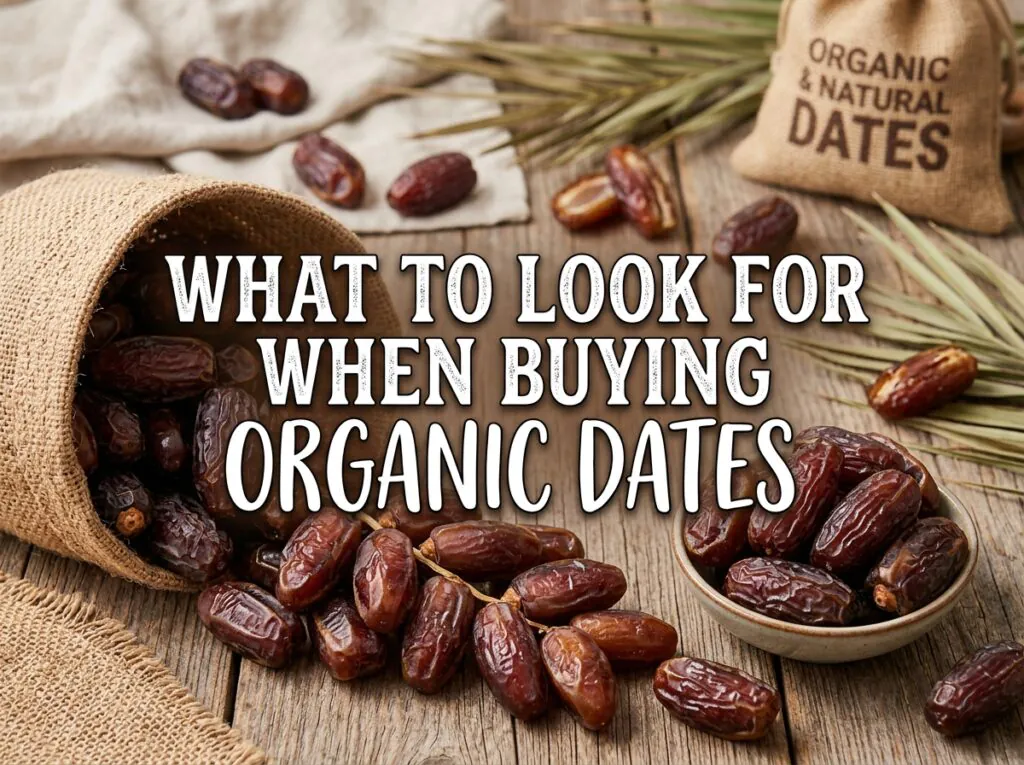
Knowing what to look for when buying organic dates is the secret to enjoying the rich, caramel-like sweetness and superior health benefits of nature’s finest ancient superfood. Whether you are a health-conscious consumer or a culinary buyer, choosing high-quality dates requires knowing how to distinguish fresh, nutrient-dense fruit from subpar or improperly stored options.
When restaurants, food manufacturers, and retailers source their stock across Europe, partnering with a trusted supplier to order wholesale dates in bulk ensures access to certified organic, unadulterated varieties that meet strict EU standards. From inspecting skin texture to verifying organic authenticity, this guide breaks down everything you need to know before making your purchase.
1. Verify True Organic Certification
The most fundamental step when purchasing organic dates is ensuring they are certified by recognized organic authorities. True organic farming prohibits synthetic pesticides, chemical fertilizers, post-harvest fumigation, and artificial preservatives like sulfur dioxide.
When evaluating dates, check for official certification logos on the packaging, such as the EU Organic Leaf logo. Organic cultivation ensures that the palms grow in clean soil, preserving the natural antioxidant content of the fruit without leaving harmful chemical residues behind.
2. Check Skin Integrity and Loose Skin Ratio
The physical appearance of a date reveals a great deal about its handling, moisture preservation, and grade.
-
Skin Separation: Top-tier dates, particularly Medjool, are graded based on skin detachment. Premium grades exhibit smooth, fully intact skins with less than 10% separation from the flesh. While loose skin doesn’t mean the date is spoiled, excessive separation often indicates moisture loss or improper handling during harvest.
-
No Cracks or Breaks: The outer skin acts as a natural barrier. Deep skin tears or crushed fruit increase the risk of contamination and accelerate spoilage during storage.
3. Assess Moisture Content and Texture
Dates come in different moisture categories: soft (like Medjool or Mazafati), semi-dry (like Deglet Noor), and dry (like Throory). Understanding the ideal texture for your chosen variety is key to identifying quality.
-
The Squeeze Test: A good-quality date should yield gently under light pressure from your fingers. It should feel tender and plump, never rock-hard like a pebble or unpleasantly mushy.
-
Balanced Moisture: High-grade soft dates maintain an internal moisture level between 22% and 26%. Anything drier will feel fibrous and rubbery, while dates with excessive water content (above 28%) are prone to rapid fermentation.
4. Look for Uniform Natural Color and Sheen
Freshly harvested, unpolished dates display a natural, matte to slightly waxy luster.
Be wary of dates that appear unnaturally glossy or sticky. Some low-grade suppliers brush conventional dates with glucose syrup or mineral oils to simulate freshness and add weight. Authentic organic dates possess an even, deep brown, amber, or dark purple-black hue—depending on the variety—without white chalky streaks or blotchy discoloration.
5. Identify Common Red Flags and Quality Defects
Knowing what to avoid is just as important as knowing what to look for. Always inspect dates for these clear signs of poor storage or age:
Sugar Crystallization (Sugaring)
When dates are stored in warm or fluctuating temperatures, their natural fruit sugars migrate to the surface and crystallize, creating hard white grains under the skin. While sugared dates are completely safe to eat, the crystallization signals that the date has lost its ideal tender texture.
Fermentation and Sour Odors
High moisture levels combined with warm storage conditions trigger yeast growth, causing the fruit to ferment. Quality dates should emit a clean, sweet, caramel-like aroma. If the dates smell faintly like vinegar, alcohol, or sour wine, discard them immediately.
Mold and Insect Activity
Because organic date farms do not spray synthetic chemical insecticides on trees, rigorous sorting post-harvest is essential. Check the interior stem end for black powdery fungus (Aspergillus) or tiny entrance holes caused by insects during harvest. Reputable suppliers conduct meticulous optical and hand-sorting to remove affected fruit before packaging.
6. Know Your Date Varieties
Different culinary applications call for different organic date varieties:
| Variety | Profile | Best Used For |
| Medjool | Large, plump, rich caramel sweetness | Fresh snacking, gourmet stuffing, raw desserts |
| Deglet Noor | Semi-dry, firm, subtle honey-like taste | Chopping into baking batters, granolas, and bread doughs |
| Ajwa | Small, dark black, mildly sweet with earthy notes | Daily wellness routines and specialty dietary uses |
| Rabbi / Sayer | Elongated, semi-dry, low moisture | Commercial date paste, energy bar production, syrup manufacturing |
Conclusion
Finding the best organic dates comes down to paying attention to origin, skin condition, natural sheen, and texture. By choosing certified organic fruit free from artificial oils, additives, or excessive skin separation, you guarantee a rich, nutritious addition to your kitchen or product lineup.
At Sahara Food EU, we specialize in sourcing and delivering premium organic dates directly from clean, sustainable orchards to businesses and kitchens across Europe. Explore our extensive selection to find the perfect variety for your culinary needs.