
Choosing organic dried apricots is one of the easiest ways to elevate your daily nutrition while enjoying a genuinely rich, sweet, and tangy snack. Unlike their conventional counterparts, these dark, sun-ripened gems are preserved exactly as nature intended—completely free from chemical additives, artificial preservatives, and synthetic sprays.
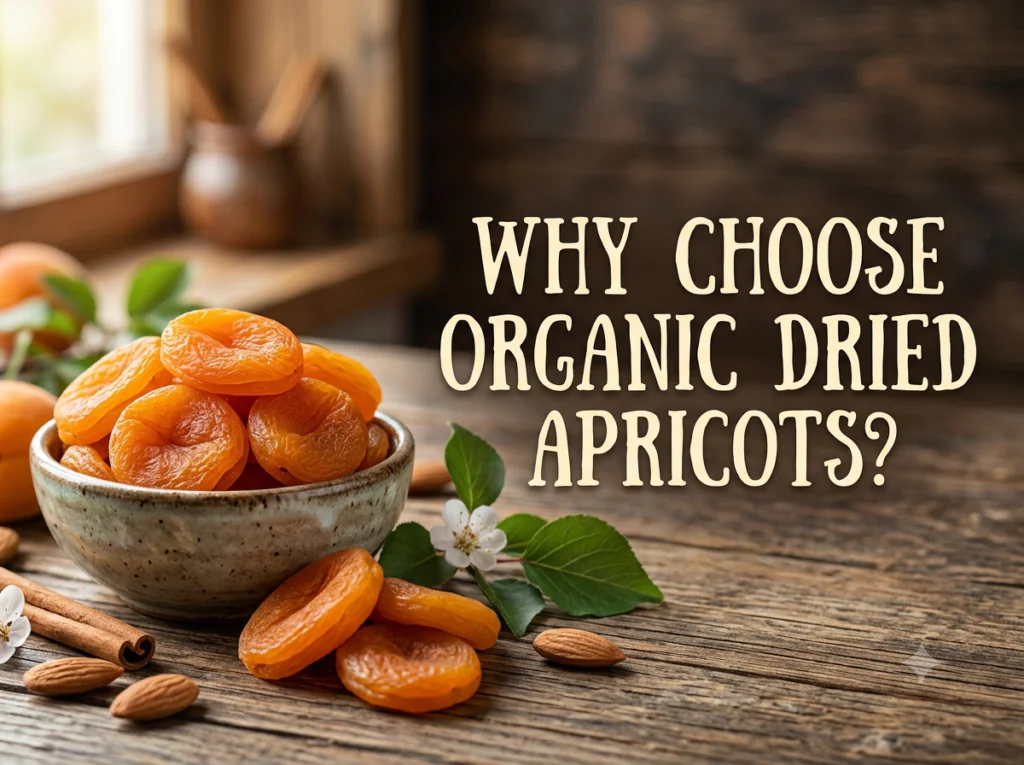
When you decide to buy Organic Dried Apricots from a verified bulk supplier like Sahara Food EU, you are securing a premium wholesale ingredient that serves both health-conscious consumers and commercial food manufacturers across Europe. Understanding the clear distinctions between mass-produced dried fruits and purely organic alternatives allows you to make informed decisions for your kitchen, your business, and your long-term health.
1. The Sulphur Dioxide Distinction
The most striking difference between conventional and organic dried apricots is their appearance.
-
Conventional Apricots: These boast a bright, unnatural orange hue. This color is artificially preserved by treating the fresh fruit with sulphur dioxide (E220), a chemical gas that halts the natural browning process. While it extends shelf life, sulfur dioxide can trigger respiratory issues, severe allergic reactions, and digestive discomfort in sensitive individuals.
-
Organic Apricots: These possess a deep, rustic brown or dark amber color. Because organic standards strictly forbid chemical preservatives, the fruit turns brown naturally as it bakes under the sun. This color change is a badge of purity, indicating that the fruit has been sun-dried without toxic chemical interference.
2. A Pure, Concentrated Flavor Profile
Because conventional processes focus heavily on visual appeal and mass-yield preservation, the fruit’s true flavor can often take a backseat. Organic dried apricots are allowed to ripen completely on the tree before harvesting, maximizing their natural sugar content.
When the moisture is slowly evaporated under the sun, it creates a deeply concentrated flavor profile. Organic dried apricots taste noticeably richer, more complex, and carry a distinct molasses-like sweetness balanced with a natural tart undertone. They require no added sugars, corn syrups, or artificial flavor enhancers because the fruit itself provides everything needed for a satisfying bite.
3. High Fiber Density for Digestive Wellness
The gentle, organic drying process concentrates the macro and micronutrients of the apricot, making them an excellent dietary source of dietary fiber. A single handful provides a substantial portion of your daily recommended intake, containing both soluble and insoluble fiber.
Insoluble fiber acts as an excellent regulator for the digestive tract, encouraging healthy bowel movements and preventing constipation. Soluble fiber feeds the beneficial bacteria in your gut microbiome, supporting overall metabolic health and helping to stabilize blood sugar levels after meals.
4. Exceptional Eye and Skin Support
Organic dried apricots are exceptionally rich in Beta-Carotene, a powerful antioxidant that the human body efficiently converts into Vitamin A.
Vitamin A is essential for maintaining sharp night vision, protecting the cornea, and preventing age-related macular degeneration. Furthermore, the combination of Vitamin A, Vitamin C, and natural phytonutrients found in organic apricots helps shield skin cells from environmental damage caused by UV rays and pollution. This supports natural collagen production, maintaining skin elasticity and a youthful glow.
5. Cardiovascular Protection and Blood Pressure Control
Your heart relies heavily on a precise balance of minerals to regulate its rhythm and manage blood pressure. Organic dried apricots are an outstanding source of Potassium, containing significantly more per gram than fresh bananas.
-
Sodium Balancing: Potassium helps counteract the negative effects of excess dietary sodium.
-
Vessel Relaxation: It eases tension within the walls of your blood vessels, lowering cardiovascular strain.
-
Iron Delivery: These fruits also contain plant-based (non-heme) iron, which is necessary for healthy red blood cell production and preventing fatigue.
6. Sustainable Sourcing and Ecological Balance
Choosing organic goes beyond personal wellness; it directly influences global farming ecosystems. Conventional apricot orchards frequently rely on aggressive chemical pesticides and herbicides to maximize quick yields. These synthetic inputs strip the surrounding soil of essential micro-organisms, contaminate local water supplies, and harm native pollinator populations like bees.
Organic apricot cultivation relies exclusively on natural compost, crop rotation, and biological pest control. This keeps the soil fertile for generations, protects agricultural workers from chemical exposure, and ensures that the final dried fruit arriving at your facility contains zero toxic residues.
7. Practical Culinary Integration
Whether you are developing products for a commercial food line or stocking a healthy home pantry, organic dried apricots offer incredible versatility:
-
Artisan Baking: Chop them finely and fold them into sourdough loaves, scones, or fruit tarts for a natural pop of tart sweetness.
-
Breakfast Toppings: Slice them over morning oatmeal, Greek yogurt, or homemade muesli.
-
Savory Pairing: Incorporate them into classic North African tagines, stews, or rice pilafs to balance rich, earthy spices.
-
Energy Bars: Blend them with nuts, seeds, and organic dates to form clean, no-bake energy bites.
Conclusion
Opting for organic dried apricots means choosing pure flavor, dense nutrition, and ecological responsibility over chemical convenience. By eliminating toxic preservatives like sulfur dioxide, you gain an authentic superfood that naturally supports your heart, vision, and digestive system. At Sahara Food EU, we are dedicated to supplying the highest tier of organic ingredients, guaranteeing that your products or daily snacks remain clean, untainted, and completely wholesome.